Foresight

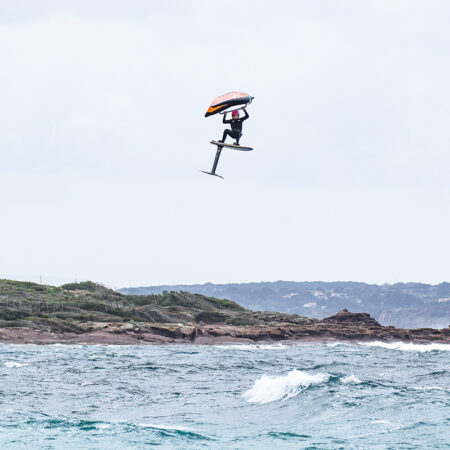
Raised on Maui and foiling since 2020, Andrea Crociara is now deeply immersed in the sport. Here, he offers his thoughts and how the sport – and the equipment specifically – is likely to evolve.

Photos: Mateo Duchier
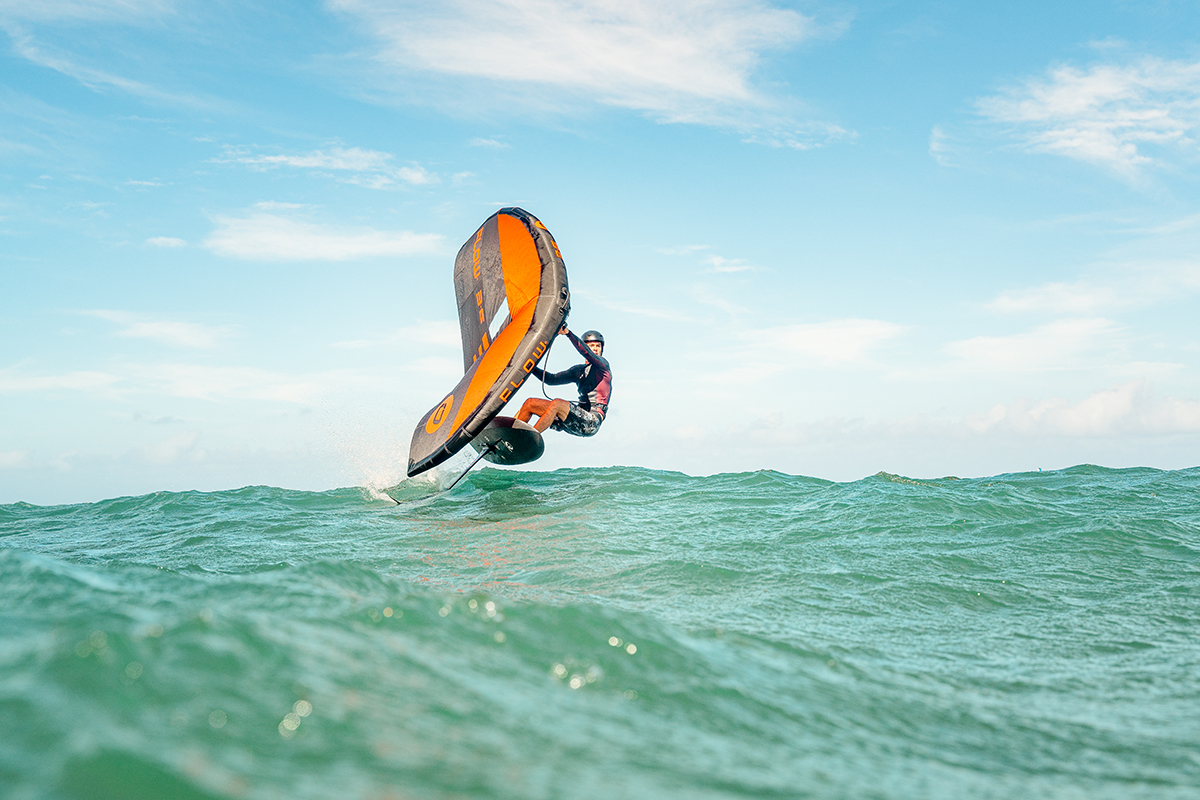

  • Foiling still feels like it’s at the beginning of its true evolution, with the biggest changes ahead focused on refinement rather than extremes. Equipment is becoming more intentional, with designs centered on control, efficiency and feel. That’s exactly why joining Appletree boards reflects where the sport is heading: toward rider-driven craftsmanship and boards designed around feedback, balance and precision. Riding shapes like the AppleSlice highlights this direction clearly, offering a blend of responsiveness and stability that rewards accuracy rather than force.

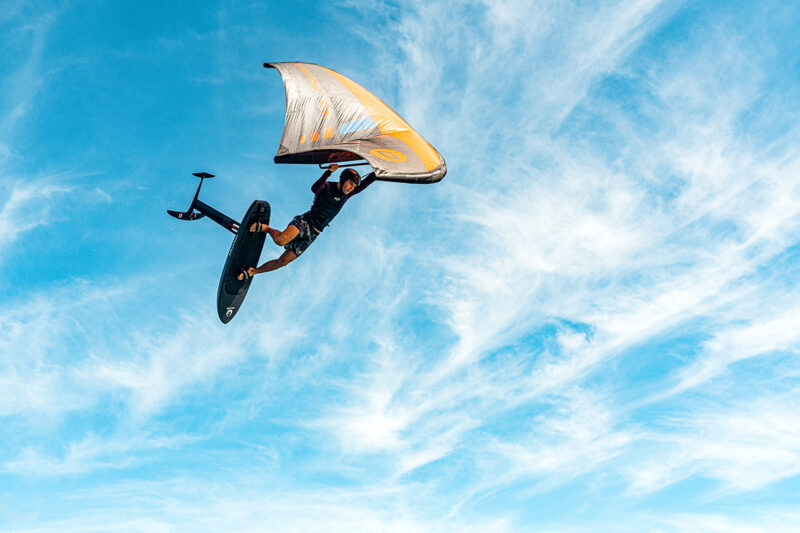
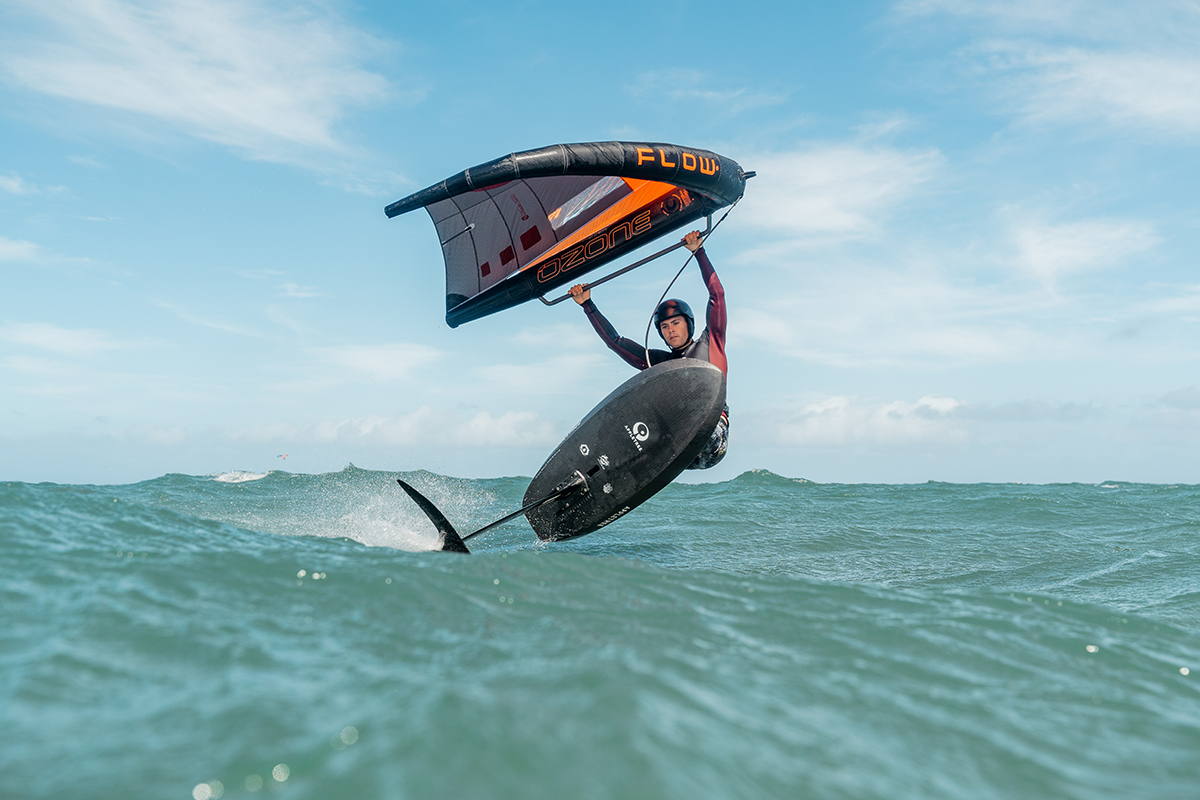
  • In wingfoiling especially, progression is moving toward smoother power delivery and cleaner handling. Setups are evolving to let riders focus on technique instead of constantly managing their equipment. Boards and foils are starting to work together as a system, where subtle inputs translate directly into controlled movement. This shift is redefining what good riding looks like: not aggressive or exaggerated, but composed, efficient and fluid.

  • When it comes to foils, the idea of predictability is becoming central. Modern foil design isn’t just about lift, but about how that lift is generated and maintained across speed ranges. With SABFOIL’s BlackBird concept, a lot of attention is placed on the fuselage itself, which contributes to lift in a way similar to a wing profile. This allows designers to reduce front wing surface and span, increasing maneuverability, while maintaining stability and consistent flight sensations. The result is a foil that feels intuitive, smooth and controlled, even when pushed.

  • This kind of design approach changes how you ride. Instead of relying on excess surface for stability, you’re rewarded for clean input and proper timing. Foils become more predictable not because they are passive, but because they respond coherently. That coherence is what allows riders to push technique further, linking maneuvers, holding lines longer and riding with confidence rather than correction.

  • Looking ahead, I think progression will continue in this direction: cleaner maneuvers, better flow and more refined combinations. The future isn’t just about bigger tricks, but about how seamlessly everything connects. As equipment becomes more balanced and reliable, the focus naturally shifts toward style, control and consistency.

  • The attitude toward foiling will mature as well. It’s increasingly being seen as a discipline in its own right, not just an extension of other sports. That will bring a more professional mindset, clearer standards and riders who stand out for their overall understanding rather than isolated moments.

  • If there’s one thing I’d like to see more of, it’s close collaboration between riders and designers. When boards like those from Appletree and foil concepts like BlackBird evolve directly from rider feedback, the equipment stops demanding attention and starts enabling expression. That’s where the real future of foiling lies: thoughtful design, refined performance and riding that looks as good as it feels.

Related Articles...

Day of Firsts

For Xavi Corr, a first day in Cape Town meant epic conditions, legendary company, and a clean launch over a slightly nervous friend.

READ MORE

Red Letter Day: No Rope, No Problem

A Foil Drive, a busy Florida lake, and one mission: ride waves without using our own boat.

READ MORE

Outer Banks: Irish Exit

A rare offshore window and one of Ireland’s biggest swells in years delivered a day that won’t be forgotten - seen here from two different perspectives.

READ MORE