


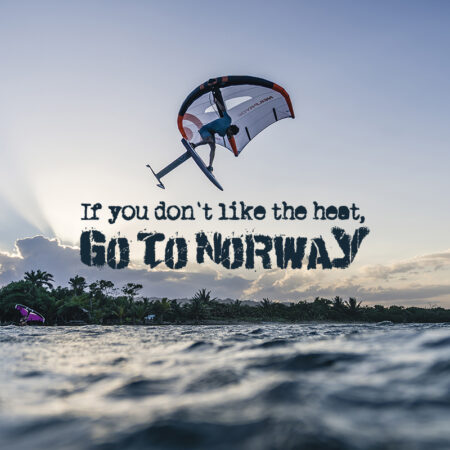
If you don’t like the heat, go to Norway
Two weeks in Cabarete gave the NeilPryde and JP-Australia crew warm water, steady trades, and everything from flat water to reef waves - the ultimate playground for their 2026 photoshoot.
READ MORE


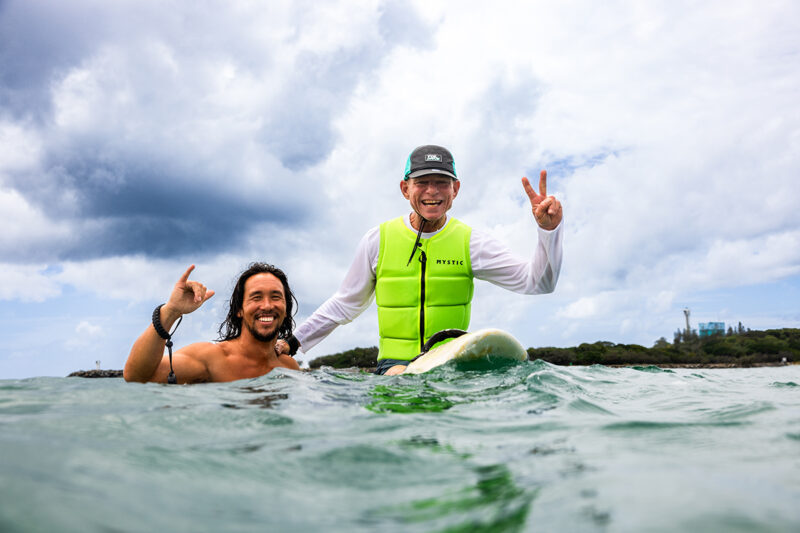
A different take on Uploaded this issue. Usually, we’d run a light, behind-the-scenes interview, digging a little deeper into the film and the context around it. But after sending Jason a few questions about being the focus of Foil Drive’s latest Driven episode, we got something else entirely. What came back was searingly honest, wildly gonzo, and pretty impossible to trim into a standard Q&A, but in a good way. Once we’d read it, we knew it had to run (almost) exactly as written. We think it adds another layer to the film, and to Jason’s journey into foiling. Enjoy.
I’d been working two jobs attempting to raise some coin. 40 hours a week as a casual security guard at a local university, shift work. And 20 hours a week plumbing for a council initiative at the time. I was getting burned out and treated myself to a snowboarding holiday in Canada. I planned to go for the whole season as airfare and a lift ticket seemed the biggest expenses. I stayed in a backpackers at Big White until I found some off-the-mountain accommodation for a thriftier price, a pretty little cottage house on the property of a new friend’s place. I was five years sober, joined the volunteer ski patrol and enjoyed a beautiful first trip away from my home nation.
A holiday romance saw me extend the trip an extra six weeks and Kelowna, BC was feeling like a home away from home. 2008/2009 was wonderful. I returned to where I was renting in Australia to pack up my gear, sold my car and bike and returned to Canada to pursue the holiday romance and live at the foot of a ski hill.
During the 2009/2010 winter, I fell off the wagon while visiting my girlfriend’s brother out in the Kootenays. A little weed while sledding would surely be okay… It took me till August of 2010 to get sober again.
Christmas morning, 2010. With my girlfriend and her kids, doing the Christmas thing. Could have been a beautiful day. I had a tantrum during Christmas morning present opening. Started a horrible argument and left the house. Shitty I hadn’t made first tracks and well bent out of shape for reasons I barely recall. Not coping with early sobriety or the shit storm I created, I fell off the wagon yet again and made some poor decisions that day.
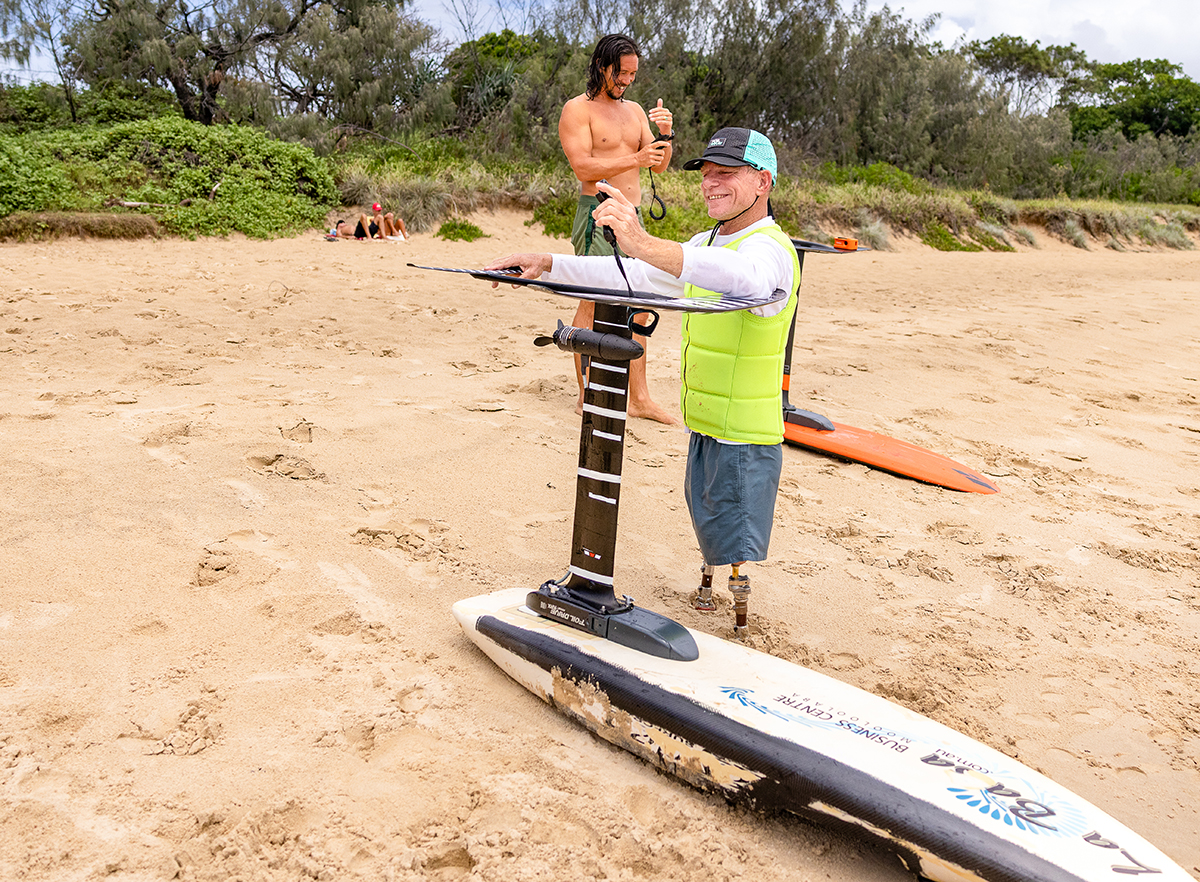
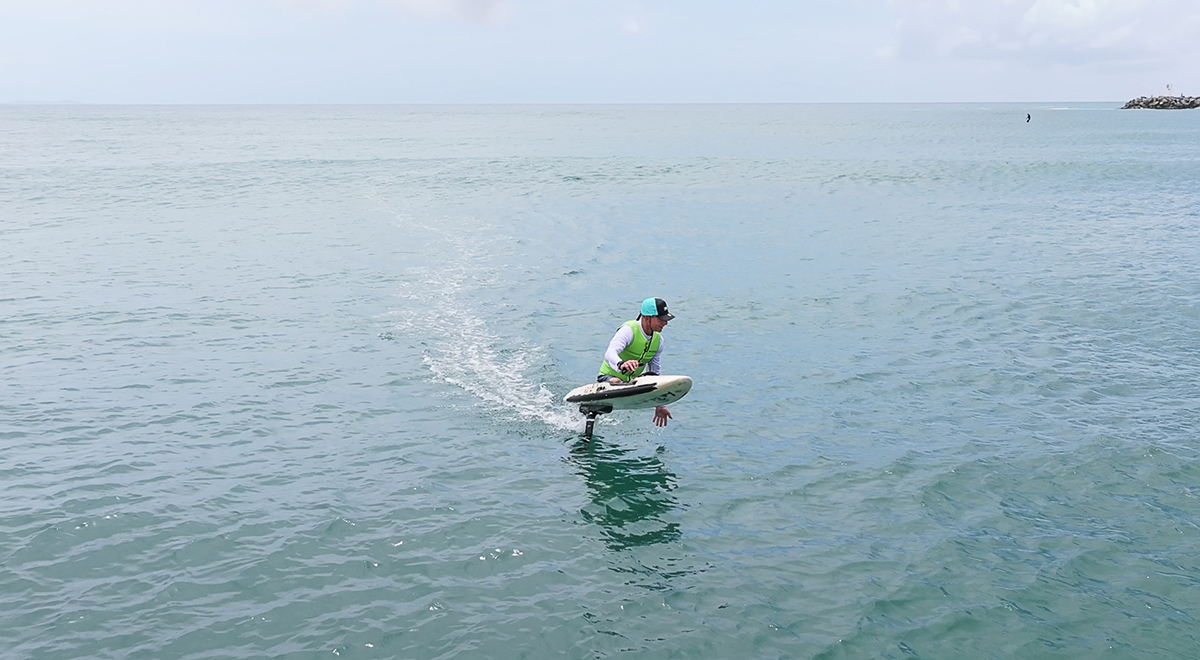
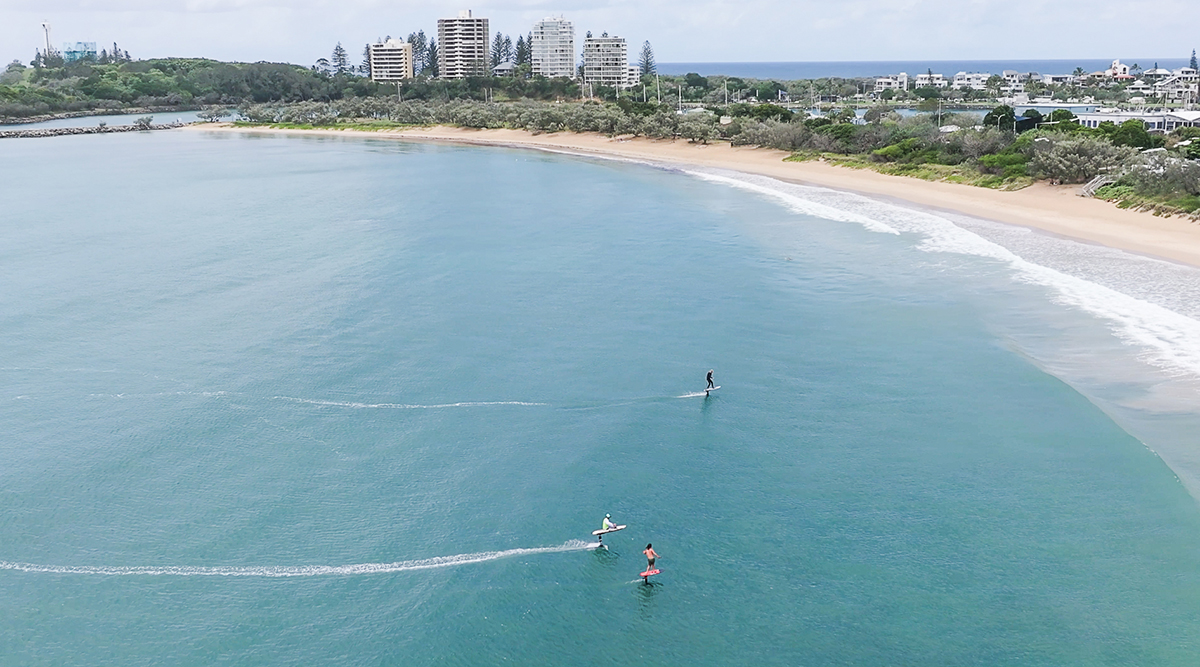
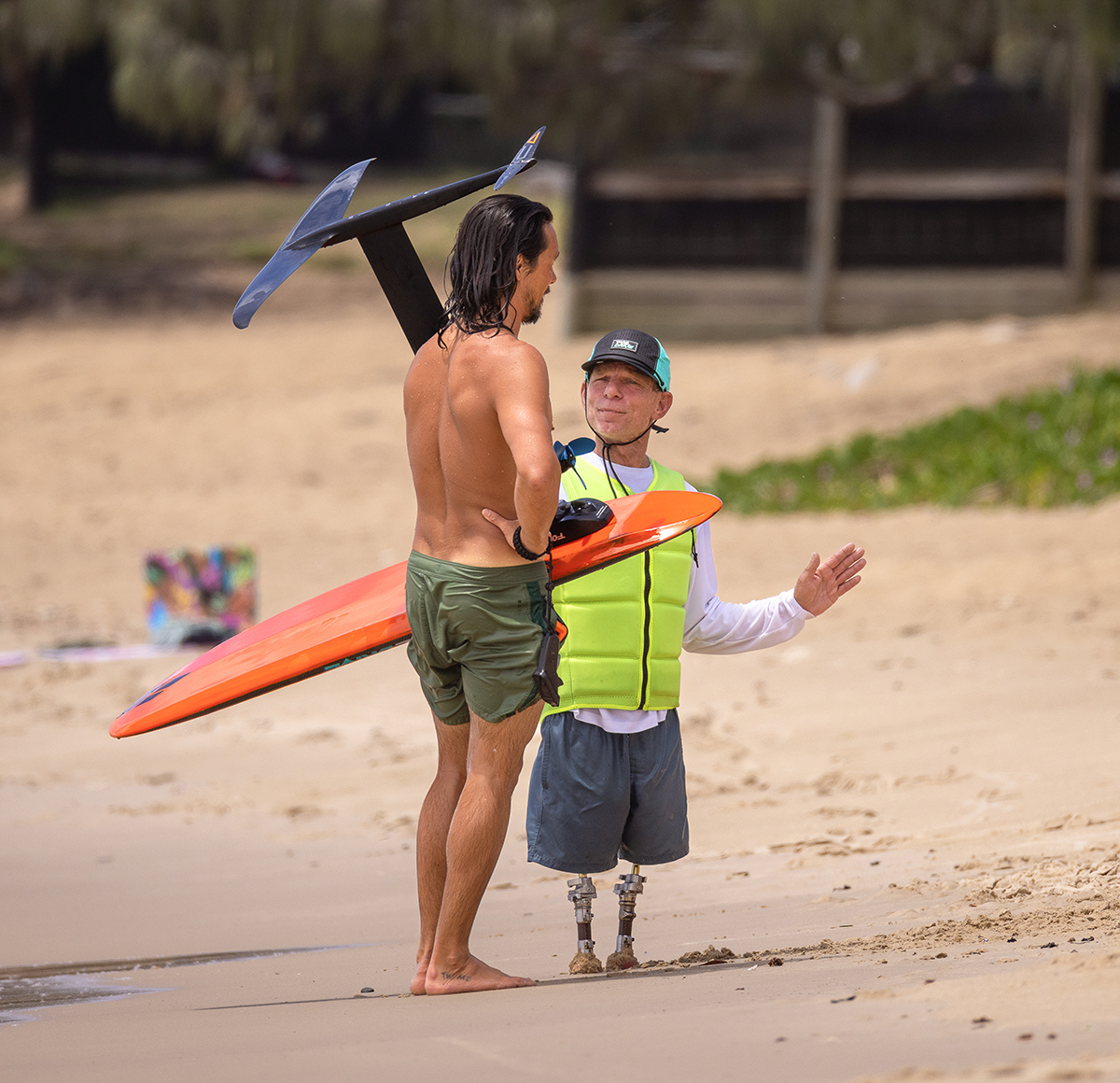
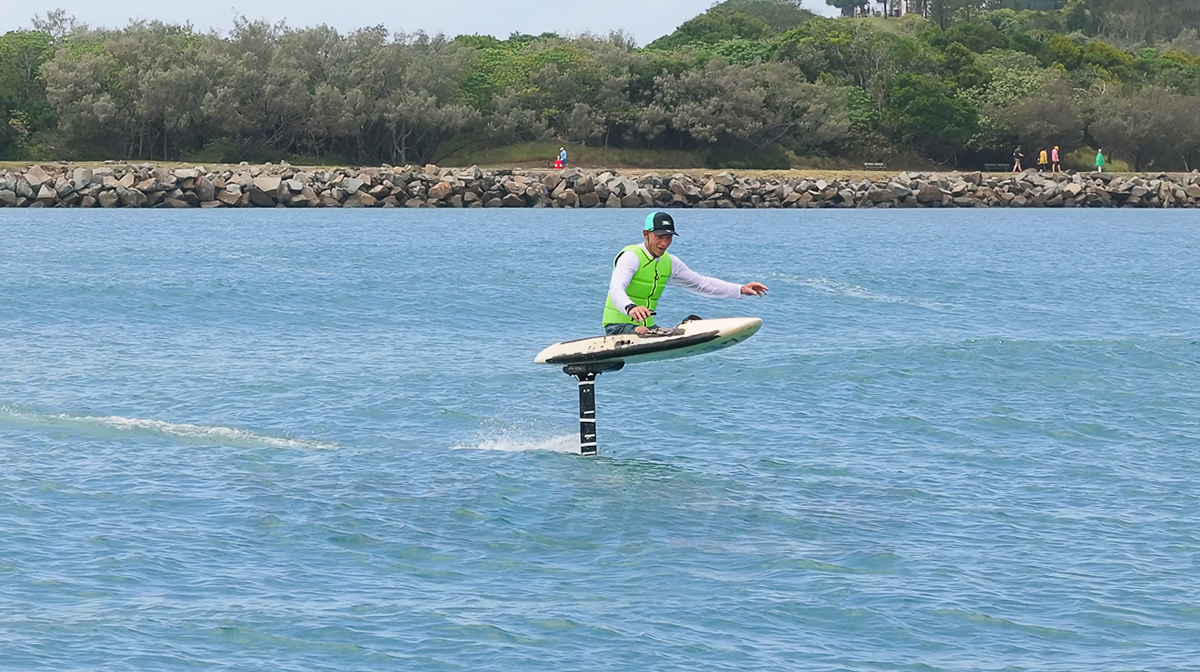
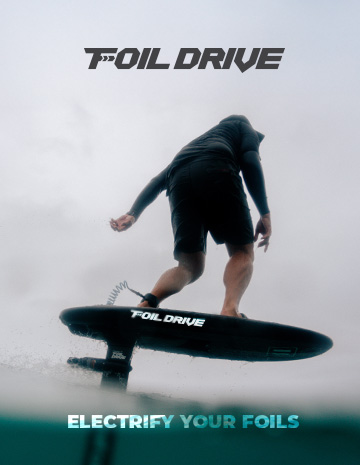
💎 Premium Content Ahead! 💎 *You will receive our weekly Friday Pump newsletter, plus the latest features, gear tests and giveaway announcements. Awakening about 2pm on the 26th, I was collapsed on the floor of a friend’s place, whose property and animals I was tending to while their family was away on holidays. I discovered my legs were not functioning. I called emergency services and they were kind enough to come pick me up and take me to Kelowna General Hospital. A couple of surgeries between Christmas and New Year’s Day to try to bring the circulation back to my legs, but to no avail. Rhabdomyolysis had induced compartment syndrome in my lower extremities. They were dying and poisoning me. The surgeon said I could keep them, and they would kill me. Or he could amputate, and maybe I would live. So the second of January 2011 my legs were removed above my knees. I feel for the surgeon, as I write this. What a horrible task for his day. I returned to Australia in February of 2011, my previous sobriety, legs, attempt to relocate and bank account but a memory of how things used to be. I was received by a hospital in Brisbane where I was to stay longer than medically necessary. The Ward Manager informed me I was medically fit to leave by asking if I had somewhere to go yet. My irrational reply was, “Have you made me some prosthesis yet?” We did not get along after that. I was under forty years old, the next youngest in the ward was sixty. I watched older people who were missing less of their body parts learn to walk with their new prosthetics. My girlfriend had obviously read that ‘Eat, Pray, whatever the fuck that book was’, came out to visit me briefly, Dear John’d me in person (God bless her) and went to Bali for a retreat. I guess to attempt to process her trauma that I had created. May of 2011, some friends offered me a room in their home and took me in. I was overwhelmed by grief and depression, couldn’t stay sober. Some affordable housing became available, and I set up house in a two-bedroom unit in a large complex. Social media was my outlet while hospitalized and I’d struck up some friendships via that medium with other folks who’d had life-changing accidents. My friend Dave in Park City, Utah, had invited me out previously to learn to drive bobsled. Come November/December of 2011, Dave let me know the FIBT (then the governing body of bobsled and skeleton) was hosting an adaptive driving school the first week of January to grow the sport. Dave offered me a room in his humble home for a couple of weeks, should I like to attend. When I had departed, I gave all my snowboarding gear away and sold my best board. I was not open to returning to the mountains. ‘Skiers and snowboarders have legs’ was my strong and angry belief. However, a fellow I had met between May and November of 2011 at wheelchair basketball, conveyed to me that he had done this thing called sit-skiing. He said it was freedom of mobility and so forth. I didn’t particularly like basketball, it seemed the only adaptive sport available in my area. The fellow at b-ball who mentioned skiing seated, cracked my closed mind open to the idea. So when I confirmed with Dave that I’d like to come out to learn to bobsled, I asked if I could stay on to learn to ski, to which he agreed. I saw Dave as a mentor for wheelchair use and he was kind enough to avail a room to me for the 2011/2012 winter. January 10th, I’d booked a sit ski lesson with the local adaptive program, at The National Ability Center in Park City. They did all sorts of sports: archery, indoor climbing, equestrian, sledge hockey. But most importantly to me, they did skiing. By late February, I joined the NAC’s competition team and began to race. In hindsight, I should have become a stronger skier before embarking on alpine racing. I’d been talking with a prosthetic company in Oklahoma regarding a boot camp they host for bilateral above-knee amputee prosthetic users. Late season, we were at Buttermilk racing speed events (a story in itself), when a kind gentleman from Hanger Clinic in Oklahoma mentioned to me that if I came to Oklahoma a couple of days before the boot camp started, maybe they could make me some training legs. What a blessing, I did and they did. Then three days with 25 other double amputees as a crash course to learn to use the new equipment. Five of us were on short stubby/training legs, 20 others walking on knee units. Some of these guys were people I’d watched on YouTube from the hospital bed. As a low budget, uninsured man, I’d hoped but never expected I’d get this chance. I’d rolled out of Australia dope sick in a wheelchair, sad and angry. I waddled back into the country obsessed with skiing and prosthesis. I went south for the winter to feed my new skiing addiction. Skiing is a novelty sport here in Australia, rather expensive as a result. I rented a room off-mountain and drove up to ski five to seven days a week. My dad had worked the same resort after separating from my mum. I’d skied there as a boy in the ’80s. I’d worked a seasonal job there in the mid ’90s to support my snowboarding obsession at the time. Skiing in Aus was different to Utah. This resort had assorted memories for me and much fewer adaptive colleagues. Busy at the resort during the day. Often lonely off mountain of an evening. Returning home to my little unit in the Southern Hemisphere spring of 2012, staring down the barrel of an Aussie summer, I decided to let my unit go, put my furniture in a storage shed and return to Utah to train with the NAC. In September 2016 I decided to have osseointegration (bone anchors for prosthetic use) as I’d been talking with a surgeon about it for four years at that point. The prosthetic sockets from Oklahoma were great. A long way to travel, pending where I was. Pain became my companion for some years after the procedure. I was unable to return to Utah to train in 2016/2017 while healing, although I did make my return to bobsled that winter. I kept skiing the following Australian winter at Mt Hotham, and I only made short visits back to Utah, not for the whole season. It was now painful to sit in my ski bucket. In hindsight, I should’ve waited till I was finished ski racing before I had the integration. 2019 was my last ski season here in Australia. Between 2016 when the rods went in and the current day, I’ve had multiple procedures to deal with nerve pain and some infections. I was to fall from the wagon again during COVID, things got real messy and life without winter sports was difficult to cope with. I’d made some poor decisions with bobsled sponsorship money along the way and tarnished my reputation amongst my peers in the sport. Things get a little blurry from 2019–2025, as pain meds had become deeply woven into my daily routine. Some Euro friends from skiing had mentioned they sit wakeboard at cable parks and love it. My friend Jerome showed me a fellow who was sit kiteboarding and sit kitefoiling. Sit kitefoiling became my new mental obsession. My mental health and motivation were fluctuating, though I desperately wanted a sport to try to replace alpine skiing and bobsled. I borrowed a 4m training kite from a dear friend, tried to teach myself kiting. Asking for pointers along the way, but I was too cheap and arrogant to take a lesson. I got scared by kiting and have left it alone since. I then put my ski seat on a wakeboard with the help of a local aluminum fabricator and bought some foil kit and bolted that to the wakeboard. I’d become a rather unpleasant being by this stage. So it was difficult to raise two friends to put up with me. As I became slightly less unpleasant, a new friend towed me a bunch behind his jet ski. This was my introduction to foiling, apart from one early session with an old mate and his kids, and they did not desire my company anymore. Whoops. Then the 2nd Gen Foil Drive system was released, I pestered one, or maybe both of the co-founders as to whether they thought it would be doable for me. Paul spoke of sending a shop unit to try and I’d need to borrow batteries from a local team rider. Being impatient as I can be, I blew my budget and treated myself to a 2nd Gen immediately. One of the things that made skiing more appealing to me than bobsledding was the independence. And this was the same with the Foil Drive over tow-foiling at that time. Even kiting didn’t seem like it would ever possibly allow me to become truly independent. My decision to purchase the second Foil Drive Max was motivated by my desire for independence also. Many unseen logistics still stand in the way of comfortable independence. Soft sand, balancing while carrying kit, energy levels and focus etc. I’d bought a used wing back in about 2020–2022, I think. Thought it could be easier to handle than a kite. I was still in poor shape mentally and physically and after some examination I couldn’t see how I’d make it work and sold it on. The last year or two, an awesome young man out of France has trailblazed seated wingfoiling. It’s so good to see. He is younger and most likely stronger than me. But watching his Instagram posts lights me up and gives me hope that with some guidance and perseverance, maybe I could make that work too. But for now Foil Drive has given me freedom.This is premium magazine content, usually only available to our subscribers, but you can access it for free when you join our mailing list!
(Already subscribed? Simply enter your email to unlock all magazine features now)
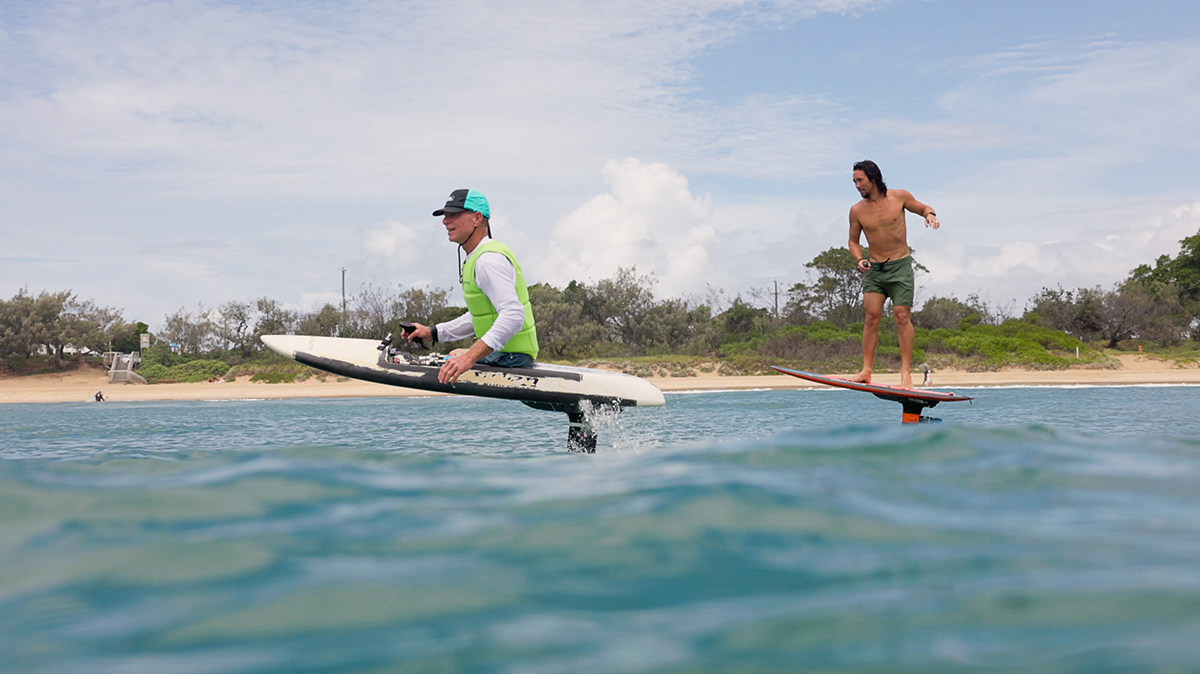
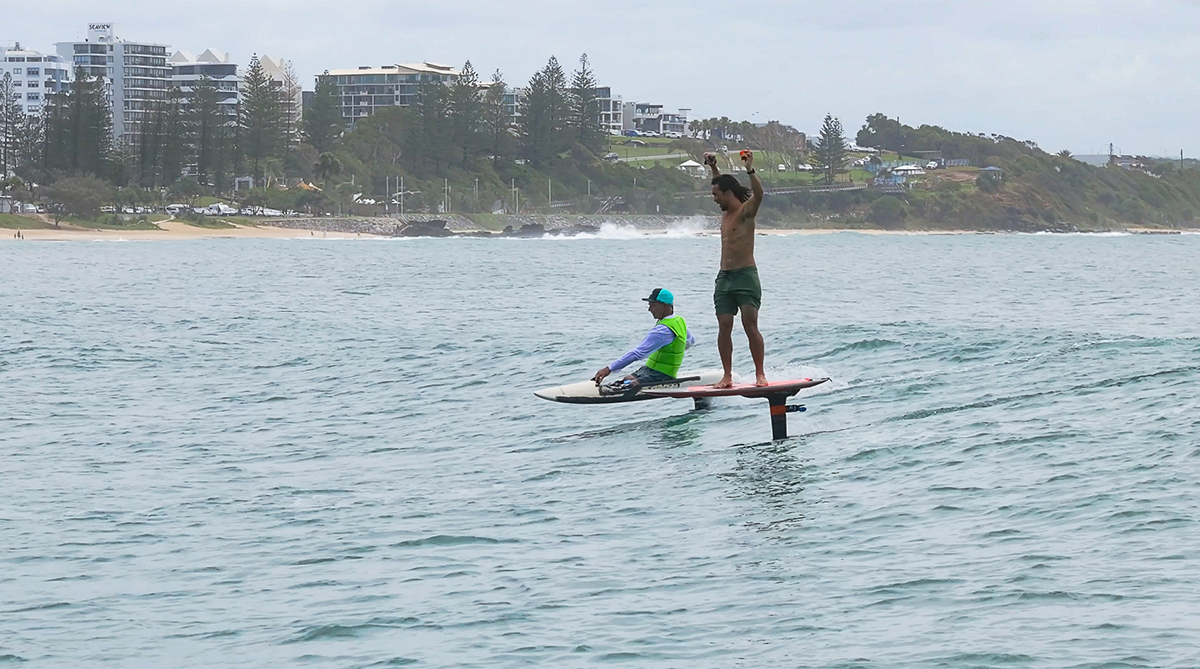
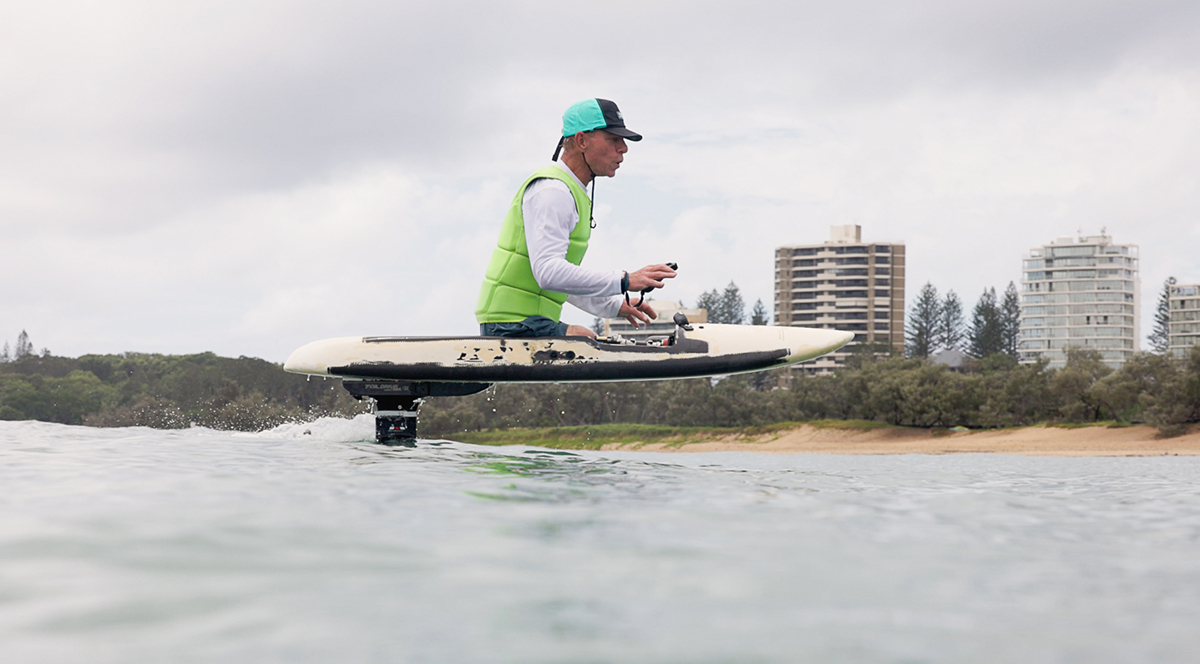
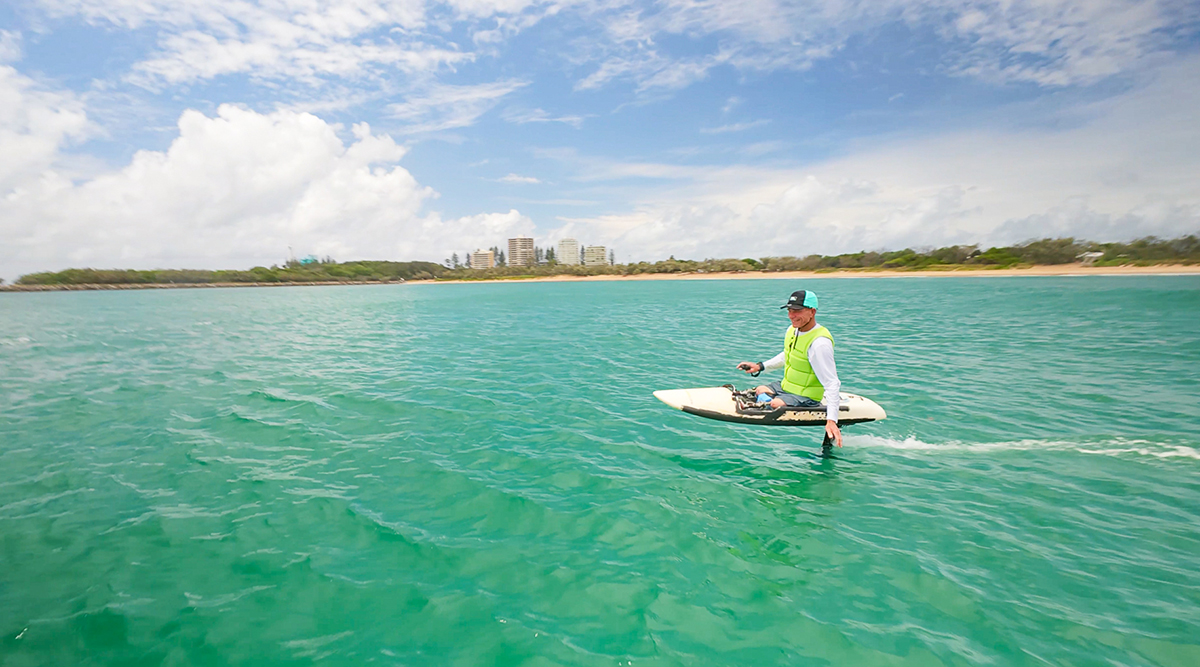
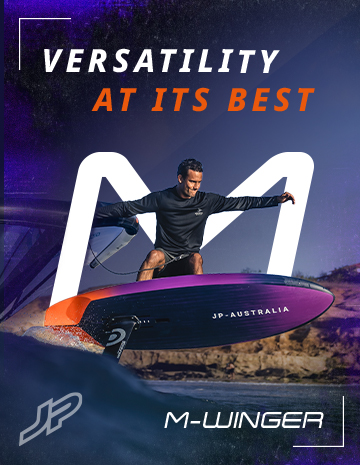
Two weeks in Cabarete gave the NeilPryde and JP-Australia crew warm water, steady trades, and everything from flat water to reef waves - the ultimate playground for their 2026 photoshoot.
READ MORE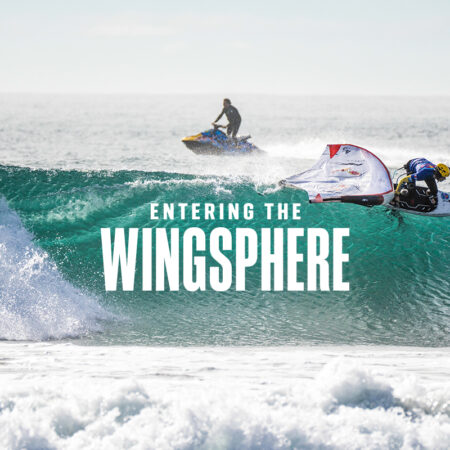
Three months after a serious hand injury threatened his season, Axel Gérard secretly travelled to Chile for Red Bull’s inaugural Wingsphere. Against the world’s best, he fought through a razor-thin final and delivered the highest score of the competition to claim the title.
READ MORE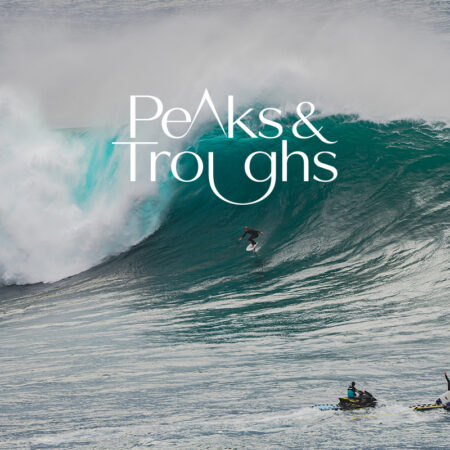
For big-wave riders, the hardest part can be the waiting. After weeks of watching forecasts and years of chasing swells, Jeremy Wilmotte knows that when the right one finally arrives, preparation, patience and a little obsession are what make the difference.
READ MORE