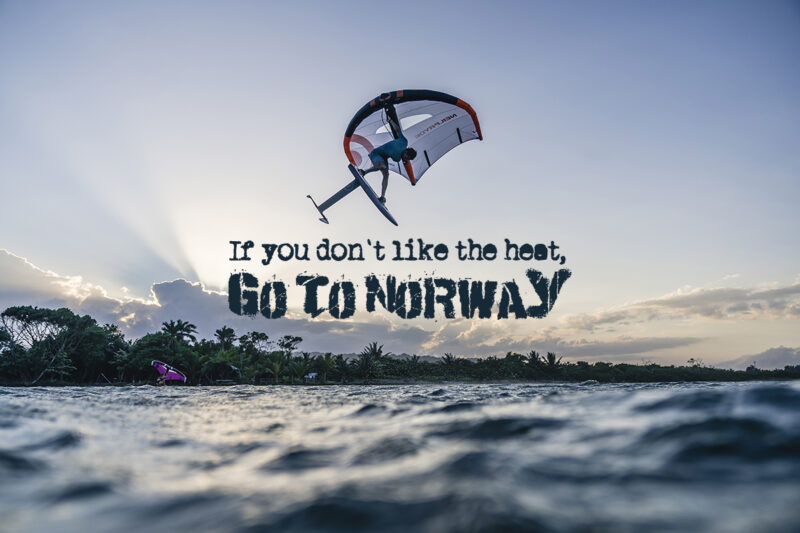
If you don’t like the heat, go to Norway
It’s February 2026, and the NeilPryde and JP-Australia team land in Cabarete, Dominican Republic, for the annual photoshoot. The crew: Vinni Martins, Yentel Caers and Maciek Rutkowski (between them holders of multiple world titles across disciplines) alongside international marketing team member and brand ambassador Greta Marchegger, and the next generation in the shape of Quirin and Aaron Olbrisch. Behind the lens is Philip Mackenbrock, their Head of Marketing. On video is filmmaker Rafa España. One solid crew, one stretch of prime foil-friendly coastline, and two weeks to make some serious magic happen. The challenge was on…
Words & photos: Philip Mackenbrock
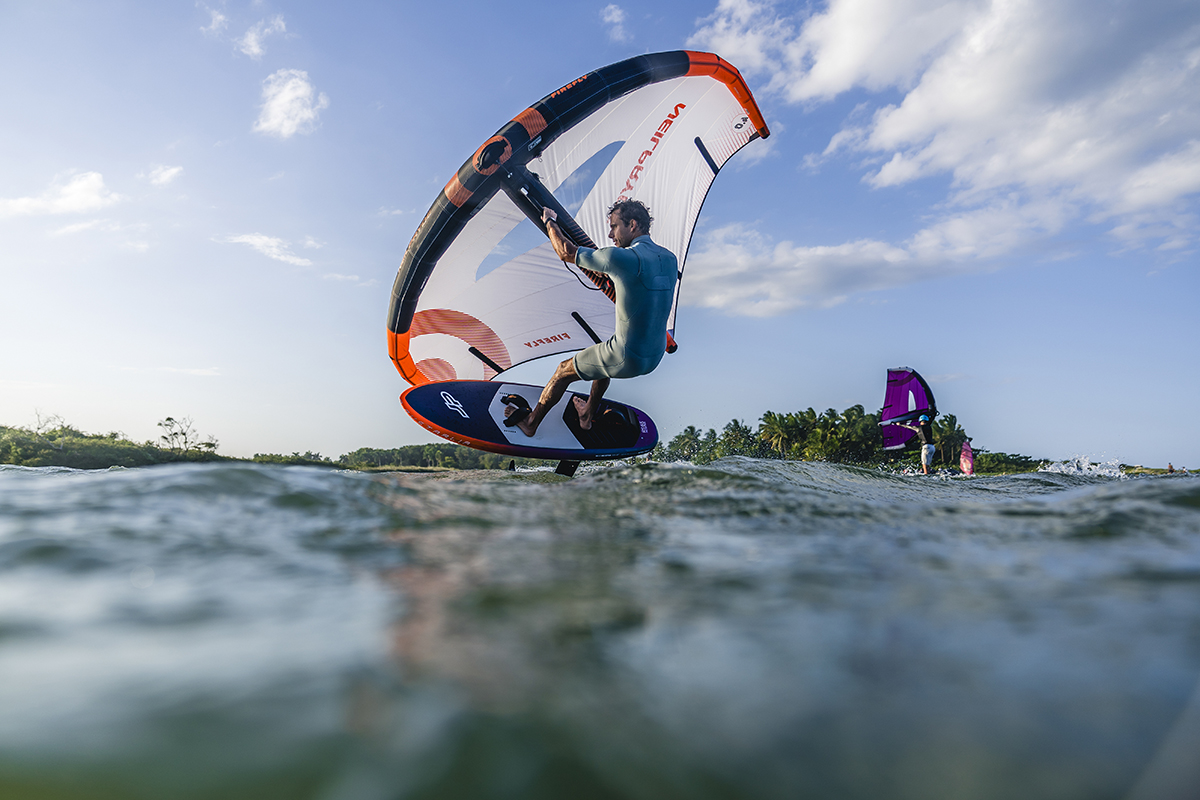
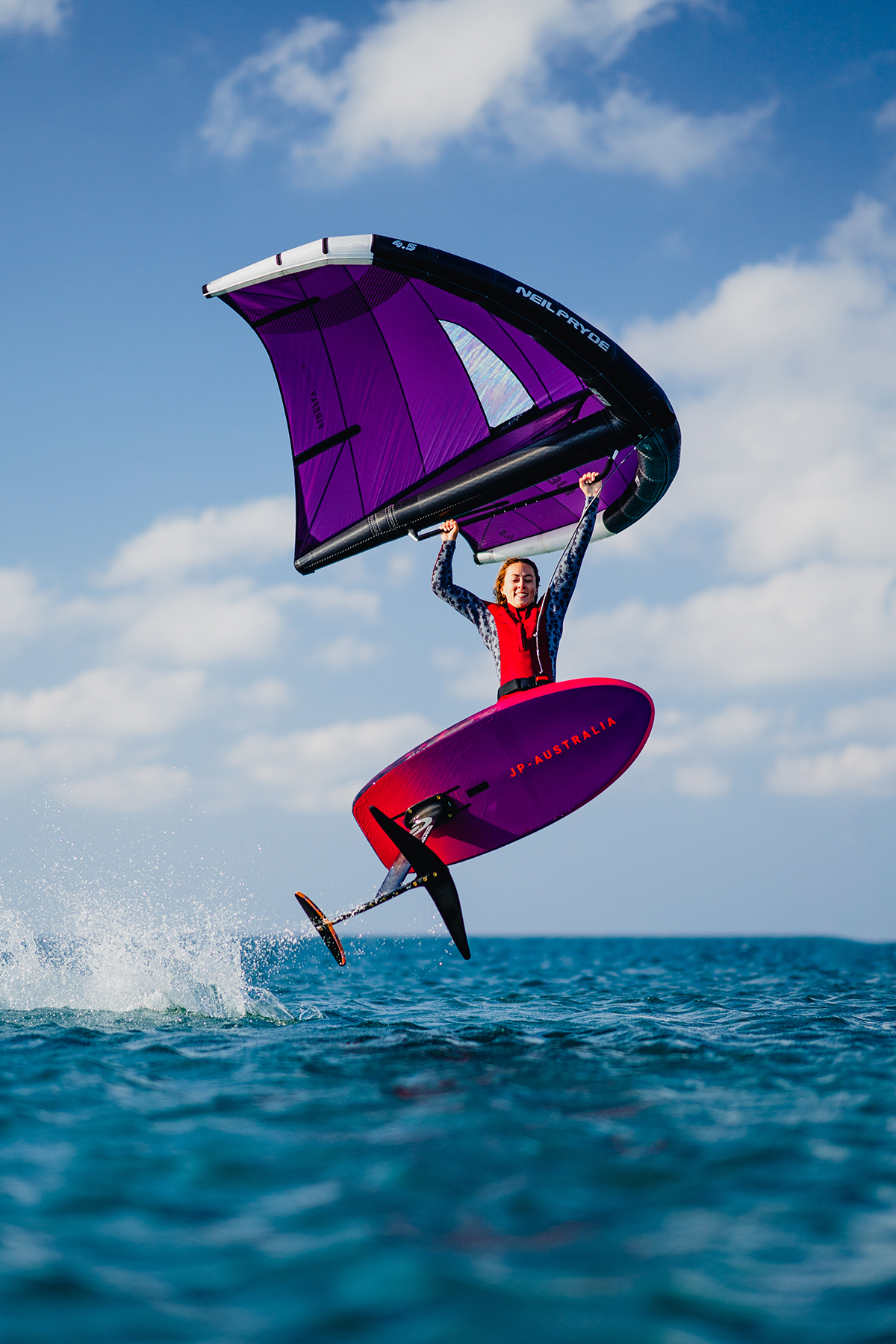
Vinni Martins describes NP/JP photoshoots as “a real kaleidoscope — places, people, conditions being the biggest variables, while the huge amount of coffee consumed and the dedication to make the best shots are some of the only things that always stay the same.”
He arrived in Cabarete for the second time with that framework in mind – a Brazilian wingfoiler who has ridden big waves and foiled flat water on multiple continents, landing at Puerto Plata into the Dominican Republic’s most reliable feature: a road system that operates somewhere between organized chaos and a full collapse of the highway code. Lanes are a suggestion. Lights at night are optional. Speed bumps the size of small mountains appear without warning, catching wing bags and camera equipment equally off guard. “If I fit, I go” seems to be the dominant driving philosophy, applied to overtaking, merging, and general road usage with equal conviction.
Vinni, who has arrived in more chaotic situations than most, took it in stride. Most of the team did. By the time you reach Cabarete, you understand why people keep coming back.
What Cabarete actually is
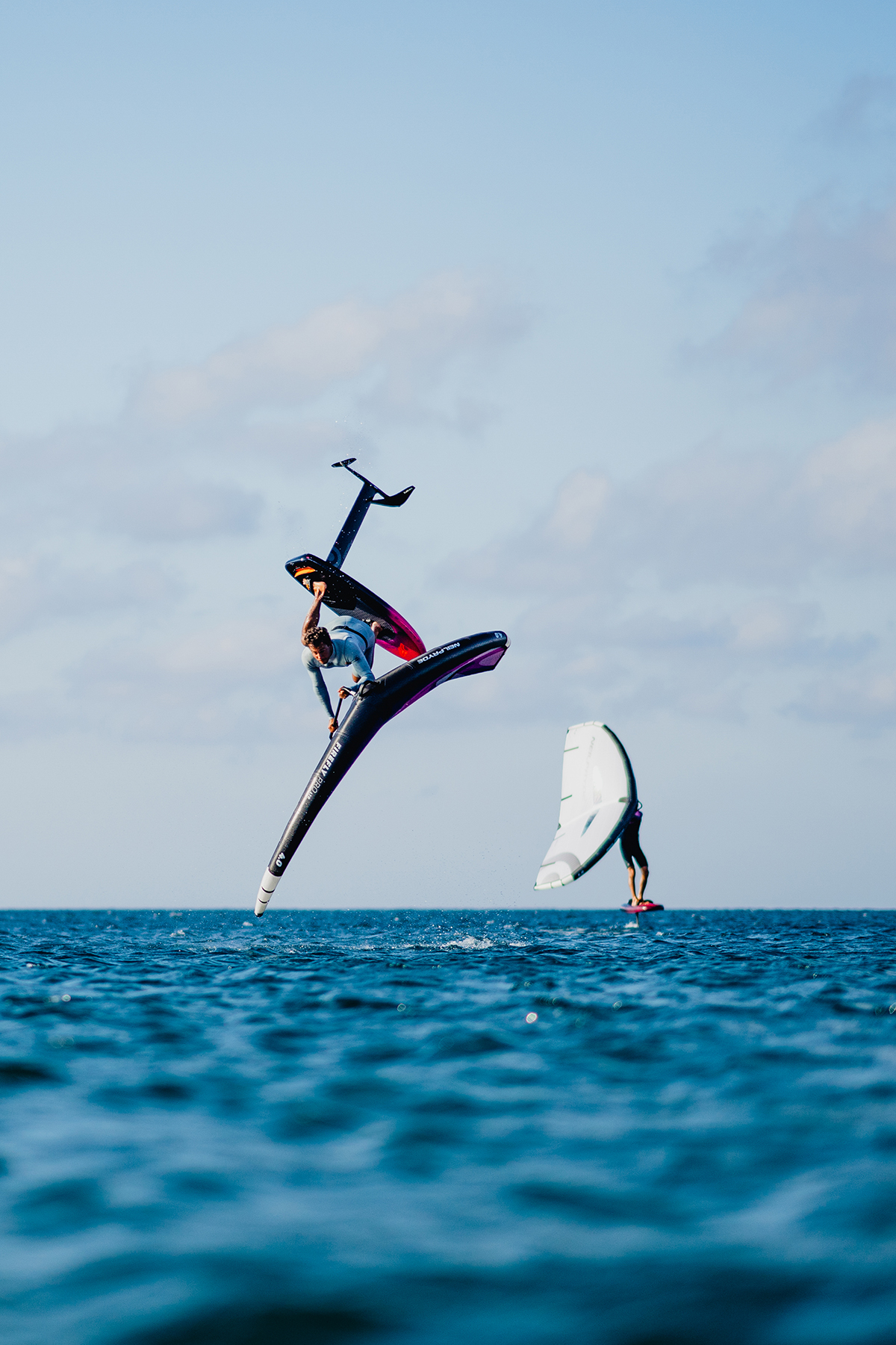
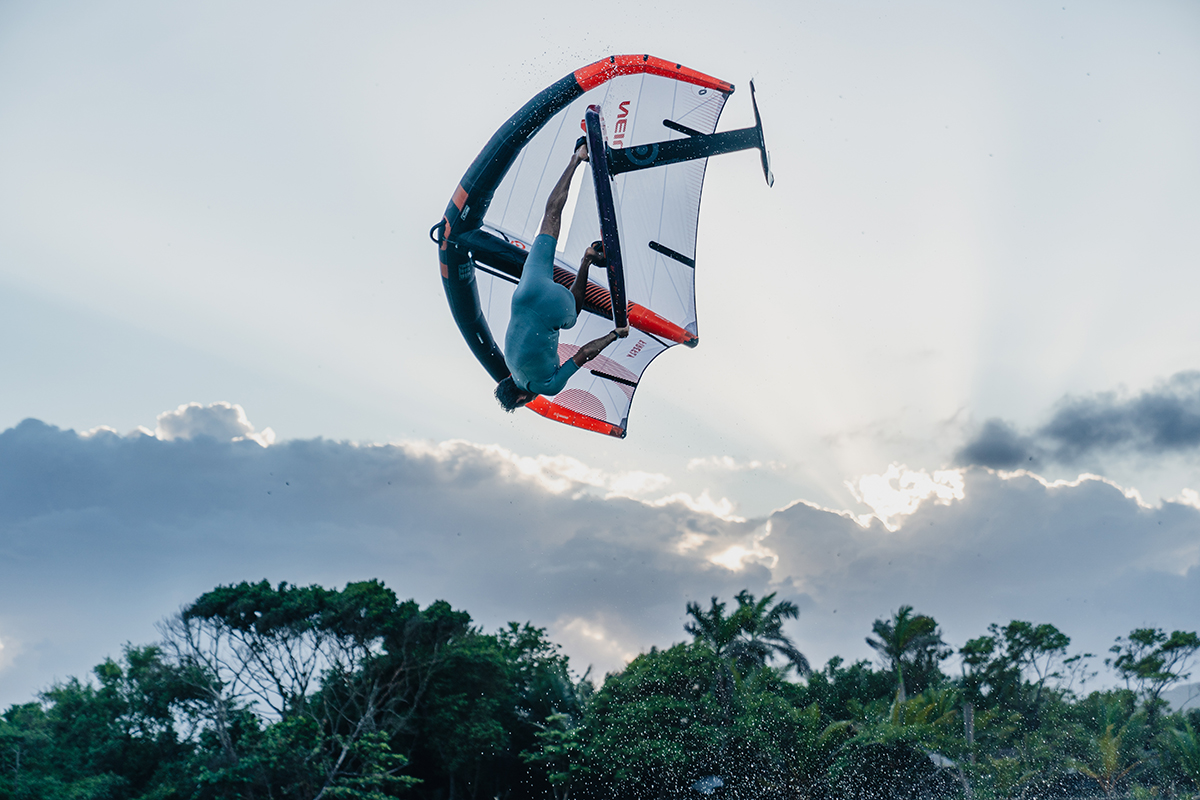
Cabarete is a small beach town on the north coast of the Dominican Republic that has been quietly eating the Caribbean watersports market since the 1980s. It started as a windsurf destination – trade winds, warm water, a reef break within sight of the beach – and gradually accumulated everything else. Kitesurfers arrived. Then SUP. Then wingfoilers. Now it’s the kind of place where you can watch a ten-year-old on a foil, a world-class freestyler throwing double air culos, a downwind parawinger tracing the horizon far out to sea, and a complete beginner on a lesson board, all sharing the same bay without anyone getting in anyone’s way. But admittedly, it’s really a wingfoil paradise.
💎 Premium Content Ahead! 💎
This is premium magazine content, usually only available to our subscribers, but you can access it for free when you join our mailing list!
(Already subscribed? Simply enter your email to unlock all magazine features now)
*You will receive our weekly Friday Pump newsletter, plus the latest features, gear tests and giveaway announcements.
For a while, though, Cabarete disappeared from conversations. The place that had been on every windsurfer’s lips through the eighties and nineties quietly dropped off the radar. The reputation turned. Stories about cheap all-inclusive tourism, alcohol, prostitution, the usual mix that kills a destination’s credibility among the people who actually made it worth visiting. Standing here now, warm water, trade winds filling in on schedule, good coffee in hand, it’s genuinely hard to believe any of that was the full story. In fact, it wouldn’t surprise if some clever surfer back in the day simply made it all up, to keep the lineups empty and 300 wind days a year to himself. If so: well played. But we feel the secret’s out now. Cabarete has cleaned up, moved on, and rebuilt something genuine, without losing the energy that made it interesting in the first place.
What it hasn’t become is too polished. That’s still the point. Cabarete runs on Caribbean time, Dominican energy, and a genuinely startling density of good food for a town this size. It doesn’t have the manufactured resort feel that makes other Caribbean destinations feel like a theme park. It’s real, a bit rough around the edges, and significantly cheaper than anything further south in the region.
For a wingfoiler used to grey European skies and a wetsuit as a permanent fixture, the appeal is almost embarrassingly obvious.
The wind, the water, the spots
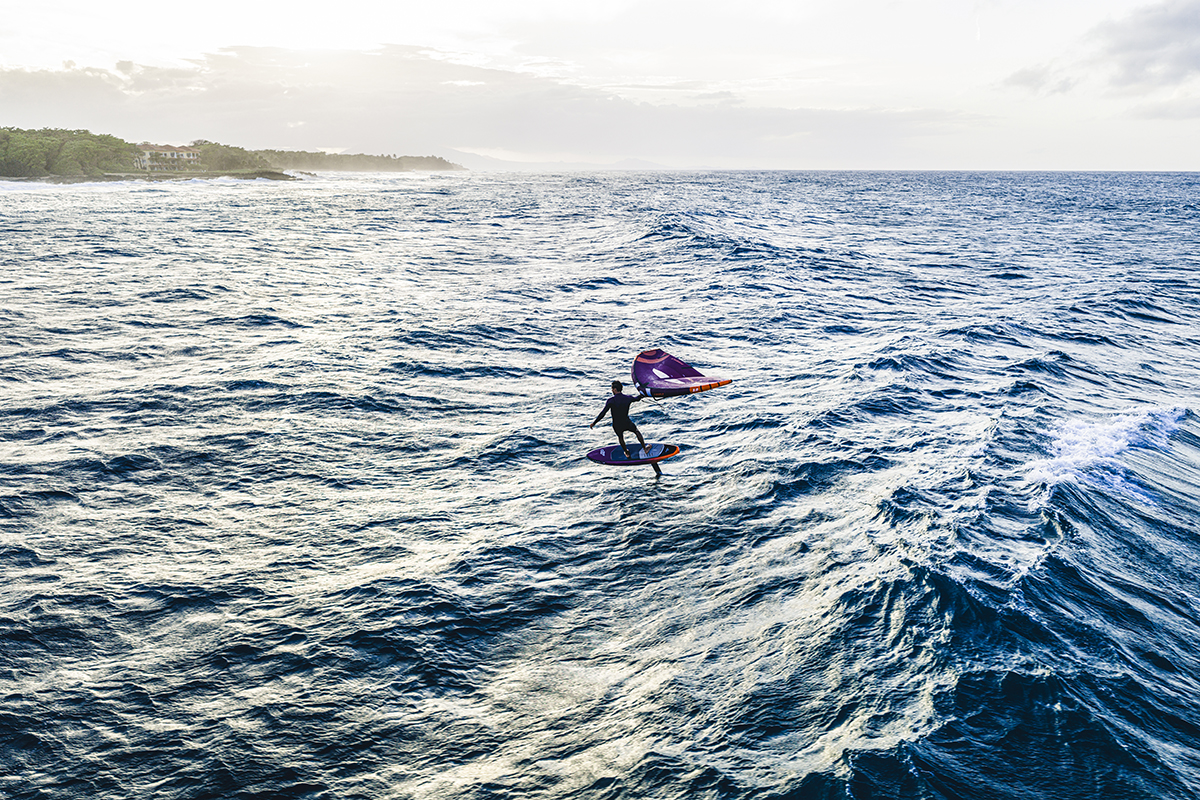
The Atlantic trade winds hit the north coast of the Dominican Republic with the kind of reliability that makes meteorologists emotional. Predominantly from the east, cross-onshore, roughly 250 to 300 wind days a year. In February, which is when we were there, the trades are well established, building through the afternoon and producing consistent 15 to 25 knot days. For wing, the conditions across multiple spots range from flat-water foiling perfection to proper reef wave riding, sometimes within a twenty-minute drive.
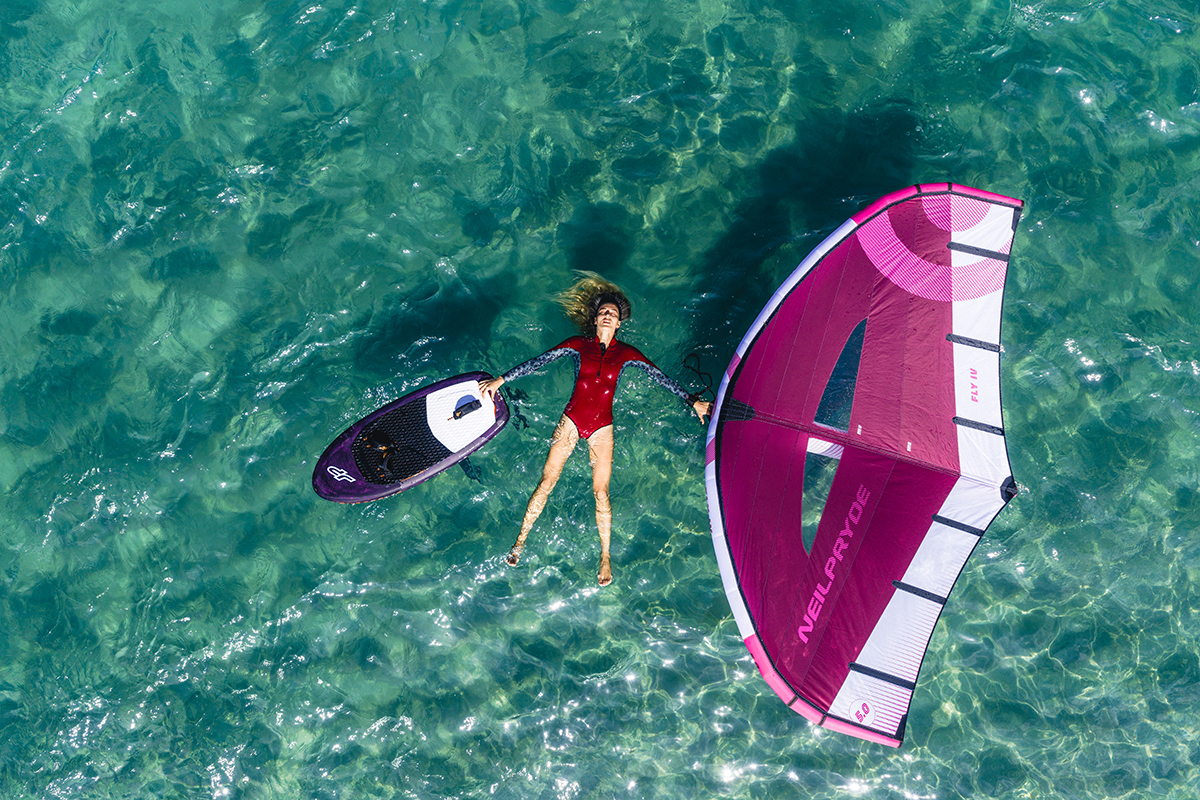
The water temperature was 27 degrees. We brought wetsuits. We didn’t wear them. Unless I made my self unpopular and made our team wear suits for the pics.
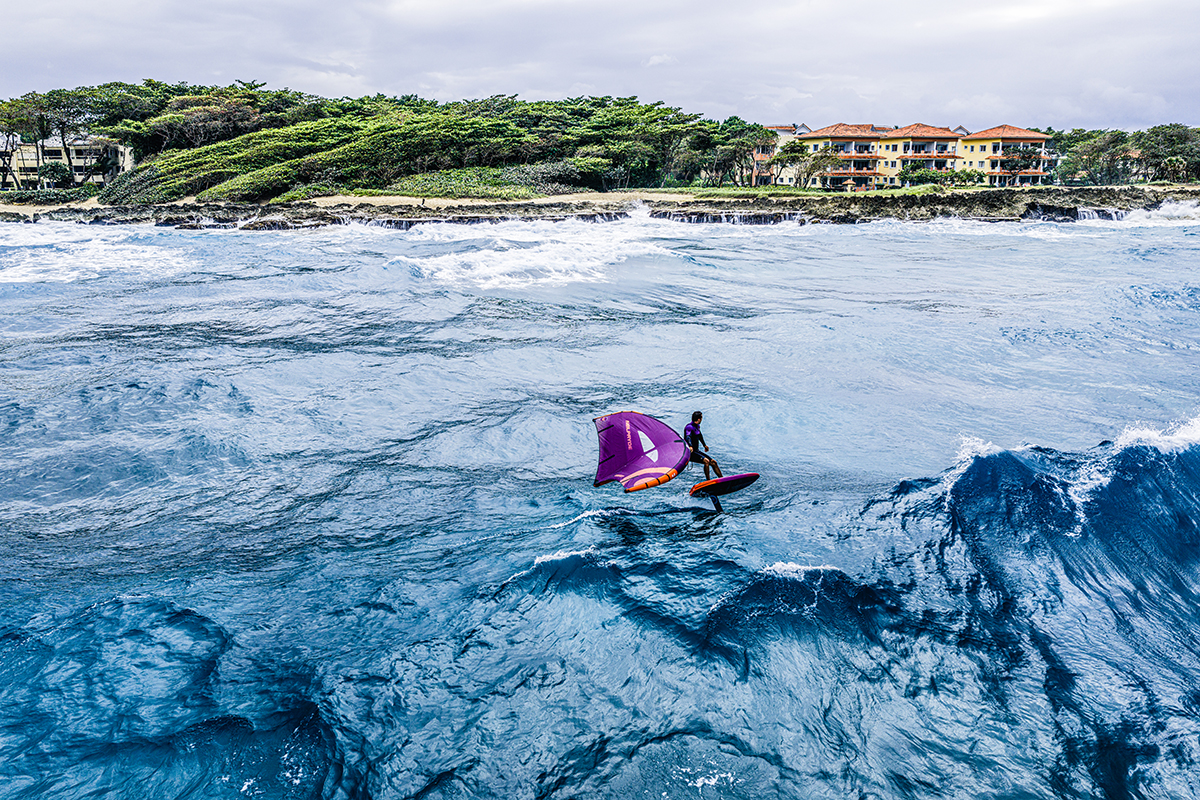
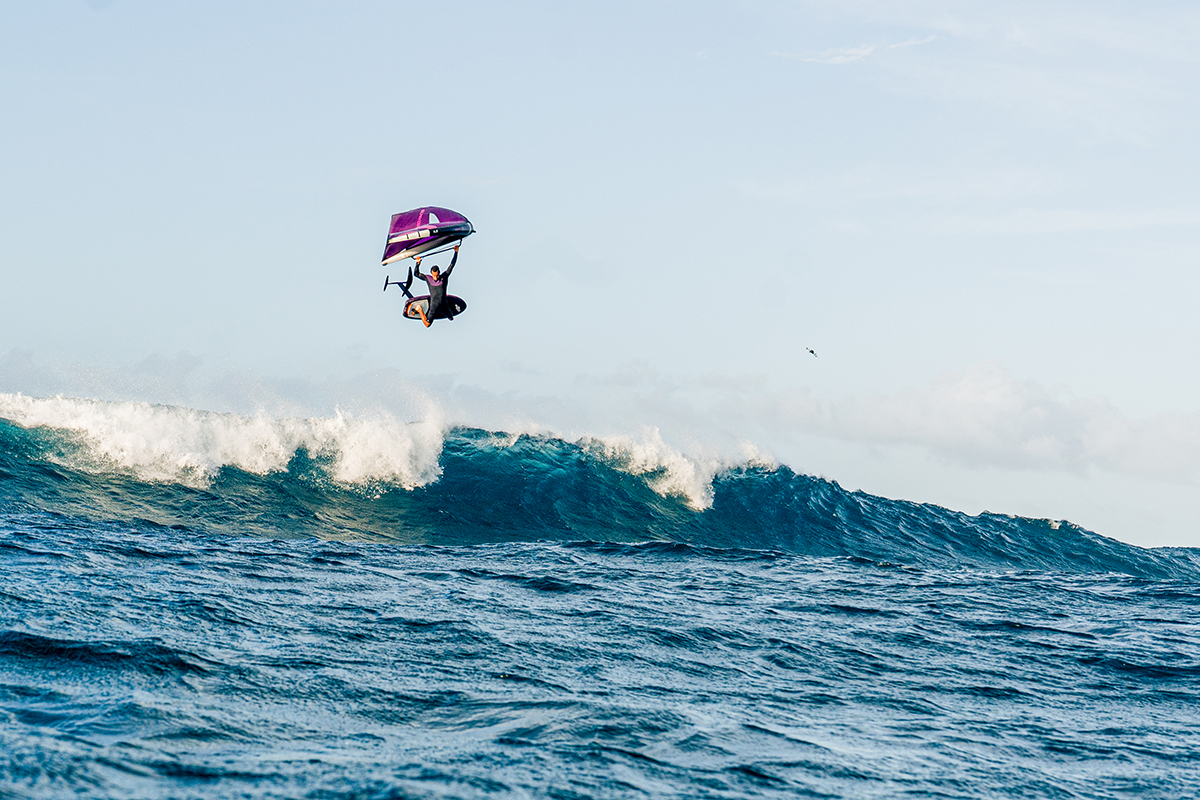
The main bay of Cabarete is the hub, and for wingfoilers it’s one of the more interesting learning environments you’ll find anywhere. Inside the reef the water is wide and manageable – flat to choppy, with enough space to build speed and find your rhythm. But the real discovery happens as you work your way further out: the waves build progressively as you approach the reef, and foiling down them starts to happen almost by itself. You commit to a face, the foil lifts, and you’re riding. Then you turn back, do it again. The waves break on the reef with good shape but without severity – they rarely reform at exactly the same spot twice, which means a wipeout rarely puts you in the same piece of water twice. You get time and space to recover, relaunch, and go again. For a wingfoiler building wave-riding confidence step by step, that forgiving rhythm is quietly invaluable.
Yentel Caers, Windsurf Freestyle Worldchampion by profession, but more than decent wingfoiler too, has foiled most of the better-known spots in the world, described the bay as “a freestyle paradise.” He’s not wrong. The conditions do a good job of meeting you wherever you are.
Fifteen minutes by car from the main bay brings you to La Boca – the mouth of a tropical lagoon where a river meets the sea. On stronger wind days this is flat-water paradise: glassy, consistent, no shorebreak to manage. The conditions here are as close to laboratory-grade as outdoor foiling gets – ideal for technical freeride, learning new wing handling, or putting in a focused flat-water session without fighting chaos. Green hills, turquoise water, palm trees doing what palm trees are supposed to do. The setting is almost unfairly good.
One to two beaches downwind of Encuentro sits Perla Marina – and this is where Vinni found his session of the trip. “We even got some north/north-west swell that brought good waves and delivered my favorite session of the trip right there – right in front of our hotel.” The water here is a different color register entirely from the sandier Cabarete bay: clear, turquoise, uncrowded. On NW swell days it transforms into something properly special – open, beautiful, with wave riding that rewards the journey down from the main strip.
And then there’s Playa Encuentro, a short walk from the main strip along a beach path. The DR’s most well-known surf break — multiple peaks, consistent Atlantic swell. When the NW swell cooperates and the trades ease slightly, this is genuinely excellent for wave wingfoiling: longer rides, more committed turns, a different challenge entirely from the reef foiling in the main bay. Less tourist infrastructure, more local atmosphere. Worth timing a session around. Longboardy waves, fun waves for kids and beginners and on the good days – proper pro surfer conditions. Chepe from Pauhana Surf school and board rental in Encuentro beach is a good starting point to plan your surf.
The bottom line
Cabarete is not a difficult sell for a wingfoiler. Consistent trade winds, warm water, a bay that rewards every level of progression from first foiling session to full wave riding, good food, affordable by Caribbean standards, and a local atmosphere that hasn’t been replaced by a resort aesthetic.
It also rewards going beyond the beach. Rent a car. Drive to Punta Rucia. Keep an eye on the swell forecast. The NW windows arrive – sometimes for a day, sometimes for a stretch – and when they do, the spots outside the main bay deliver something that’s hard to find this accessible anywhere else in the Caribbean.
Greta Marchegger, who handles international marketing for the brands on the trip and has therefore been to enough locations to have developed opinions worth listening to, framed it well: “Time in Cabarete never feels long enough. Life in the Caribbean is simply lived to the fullest — especially when the wind is blowing.”
Vinni Martins, heading back to Brazil after the trip, put it more simply: “Something tells me I will be coming back soon.”
As closing arguments go, that covers it.
THE TOP SPOTS
Cabarete Main Bay
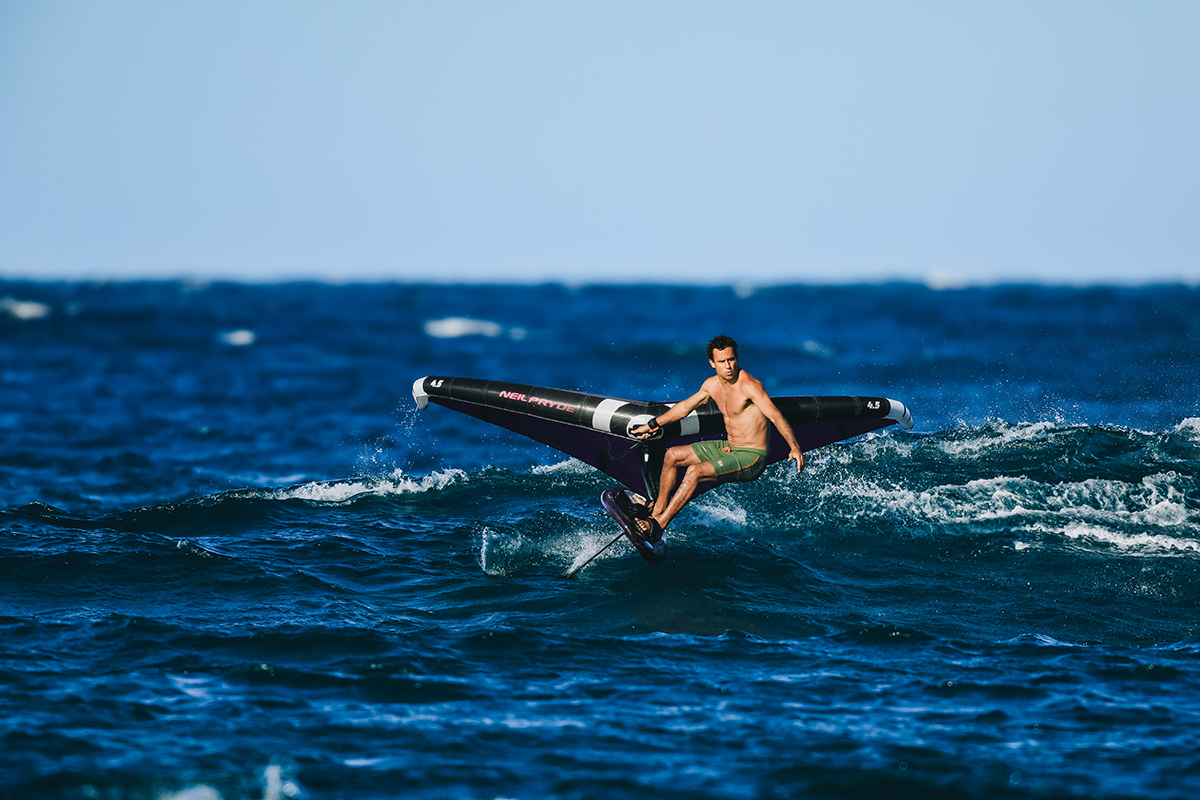
Wind direction: ENE, cross-onshore. Conditions: flat to choppy inside reef; waves build progressively toward the reef, breaking with good shape and a forgiving, non-repetitive pattern. Best for: wave riding progression, jumping with wing, all levels. Equipment: 4.5-6m wing, 80-100L board, wave foil (shorter mast for reef proximity). Launch: multiple beach access points; Vela Watersports offers the cleanest entry. Local briefing recommended before pushing out to the reef.
La Boca (River Mouth)
Wind direction: same trades, slightly more side-shore due to geography. Conditions: flat, glassy, protected – no shorebreak. Best for: flat-water foiling, technical freeride, wing handling practice, learning. Equipment: 5-7m wing, any volume foil board. No rental infrastructure on-site – arrange through Vela. 15-minute drive from Cabarete center.
Perla Marina / Ecolodge Beach
One to two beaches downwind of Encuentro. Notably clearer and more turquoise water than Cabarete bay. On NW swell days (which do arrive in February), this stretch delivers excellent wave wingfoiling conditions – open, uncrowded, with wave faces long enough to actually ride. If you’re staying at the Ecolodge, the session is thirty seconds from your front door.
Playa Encuentro
Consistent Atlantic swell, multiple peaks. Best for advanced wave wingfoiling when NW swell and wind align, longer, more committed wave faces than the main bay reef. Less predictable than the bay, but a genuinely rewarding venue when it works. 10-minute walk from the main strip, worth checking each morning.