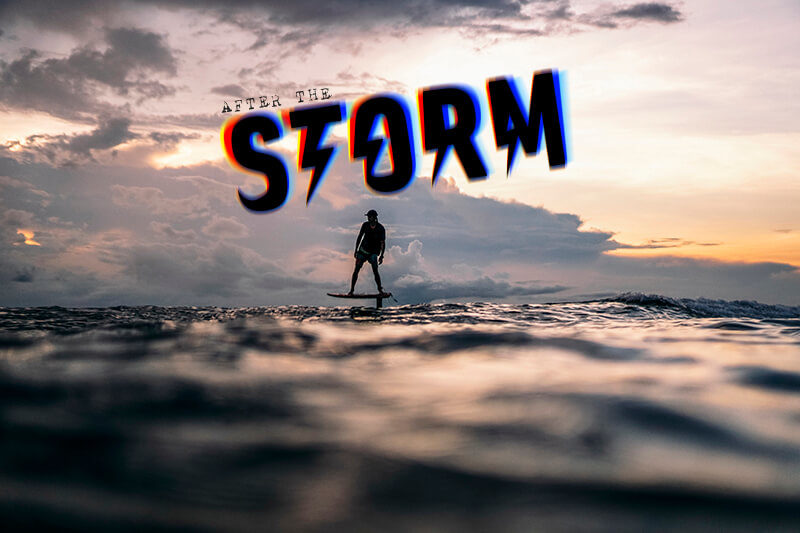
When a destructive typhoon hit one of the Philippines’ most popular surf resorts, the first instinct was survival. But afterward, when the storm had passed and the relief effort was underway, a dilemma faced those who were caught amongst it…
Words: Tom Soupart Photos: Vea Vega & Mati Olivieri (unless specified)
On the morning of December 16th 2021, within just a few hours, a category five super-typhoon developed over the Philippine Sea. In its track laid the island of Siargao. Internationally known as the surfing capital of the Philippines, with its prime waves that lie in-and-around the famous ‘Cloud 9’ spot.
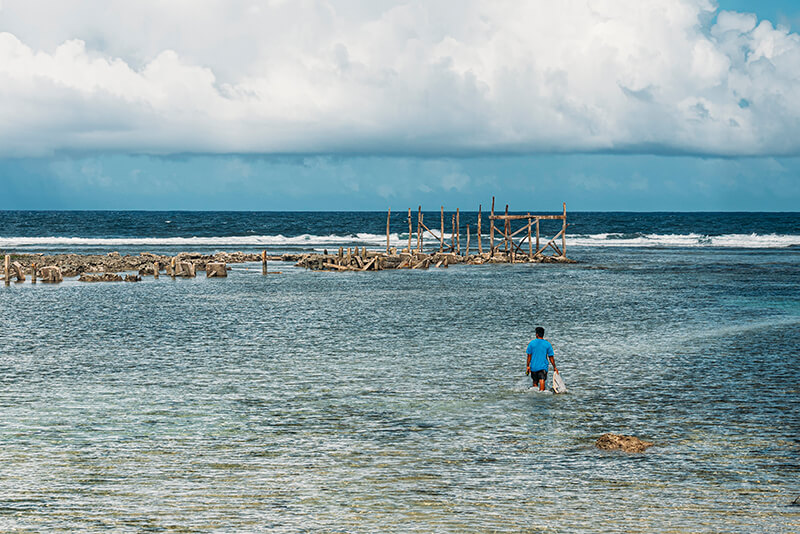
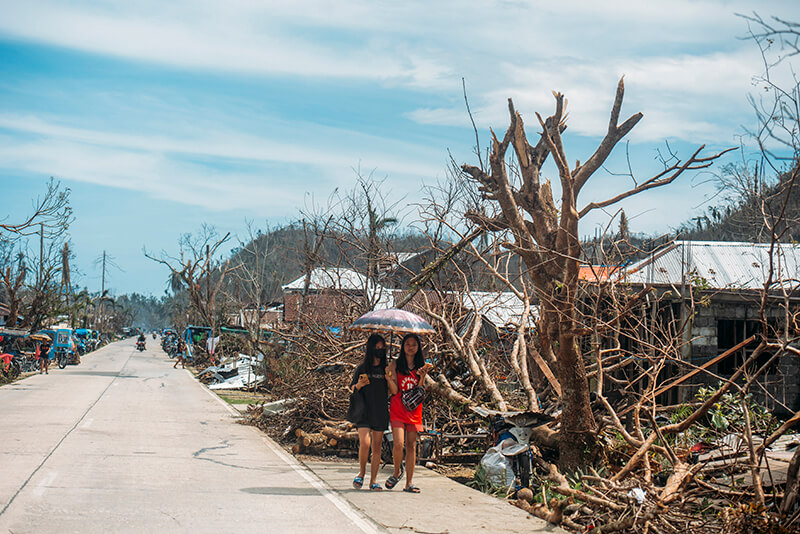
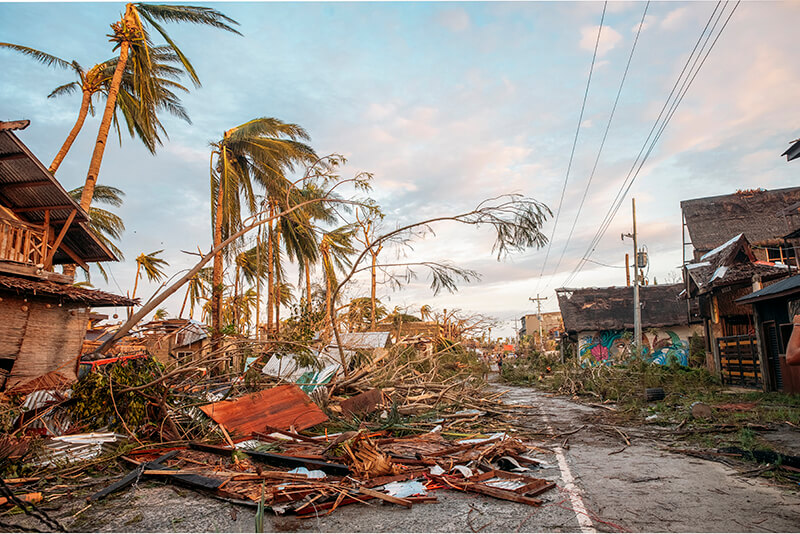
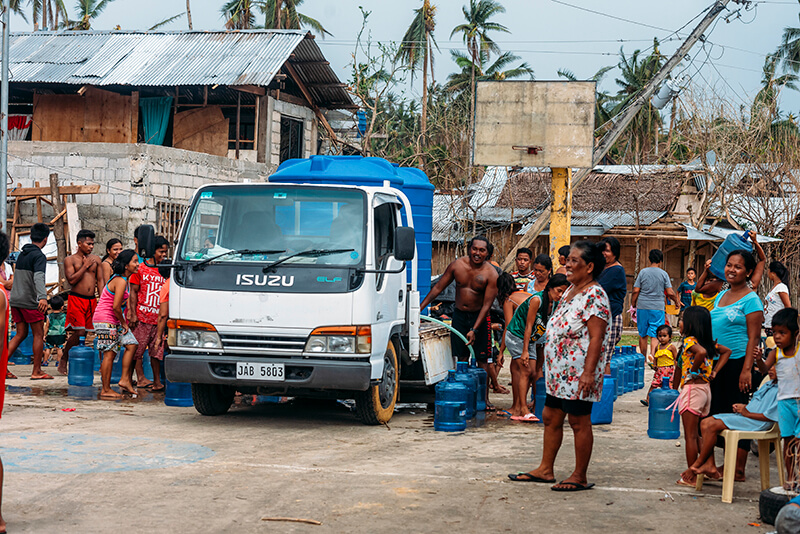
Thanks to meteorologist Robert Spetta, the islanders knew the storm was coming. The day before landfall, the storm seemed to have weakened and changed its track. The next morning, the final updates on its direction called for action and safety measures. In only a few hours, what was supposed to be a regular storm with winds of 120km/h, it intensified into super-typhoon ‘Rai’, with wind gusts of 270km/h. The eye crossed the island and took down everything in its path. Most of the coconut trees came down. Houses were destroyed. The only remaining structures were those made of concrete and those that weren’t hit by falling trees. The aftermath was stunning. An apocalyptic scene, as if you’d woken up in a terrifying movie.
💎 Premium Content Ahead! 💎
This is premium magazine content, usually only available to our subscribers, but you can access it for free when you join our mailing list! (Already subscribed? Simply enter your email to unlock all magazine features now)
*You will receive our weekly Friday Pump newsletter, plus the latest features, gear tests and giveaway announcements.
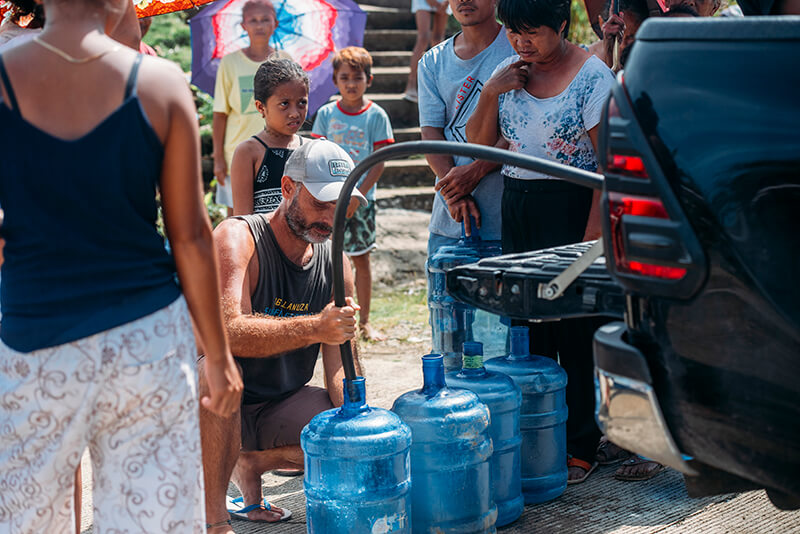
What followed was everything you can expect from a post-calamity event. You looked for survivors, friends, water, food and shelter. Some had it worse than others, but in essence, everyone had to go through the same stages of recovery. The days were filled with organizing relief and rescue missions.
Over time, the ocean came back into play. Waves and wind came by, together with the question: “Is our gear still intact? Are we allowed to go out?”. It almost felt like the first pandemic lockdown. You could go out, and be frowned upon. The social dilemma of having fun, when others are in need of help…
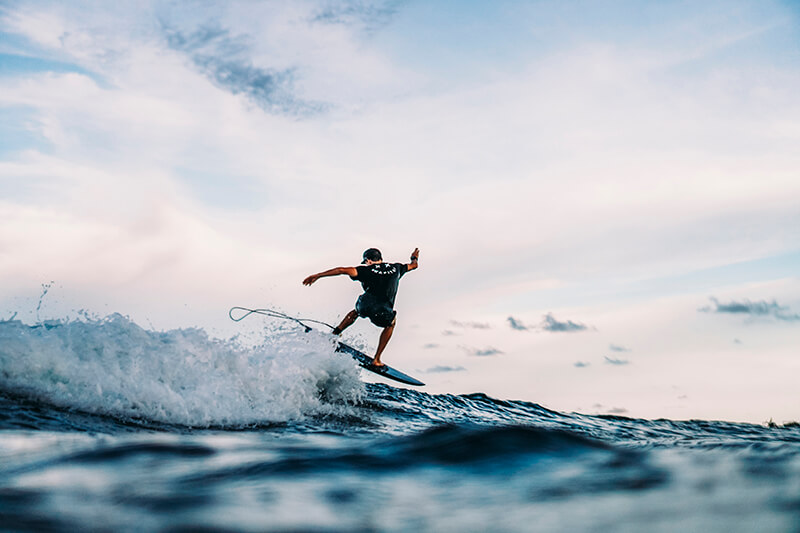
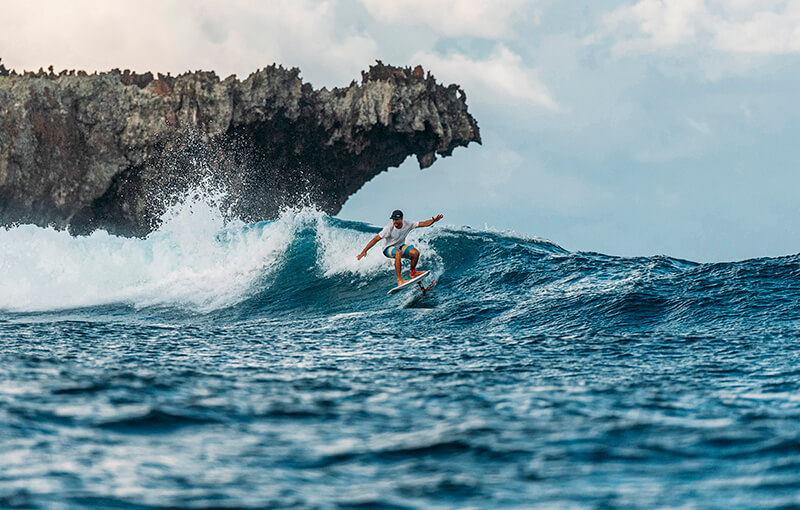
Everyone dealt with it in his or her own way. Some didn’t care at all and already went for a surf session the day after the typhoon. Others waited, until at least the provision of food and water was resolved.
PHOTO: EDUARDO ZOBEL
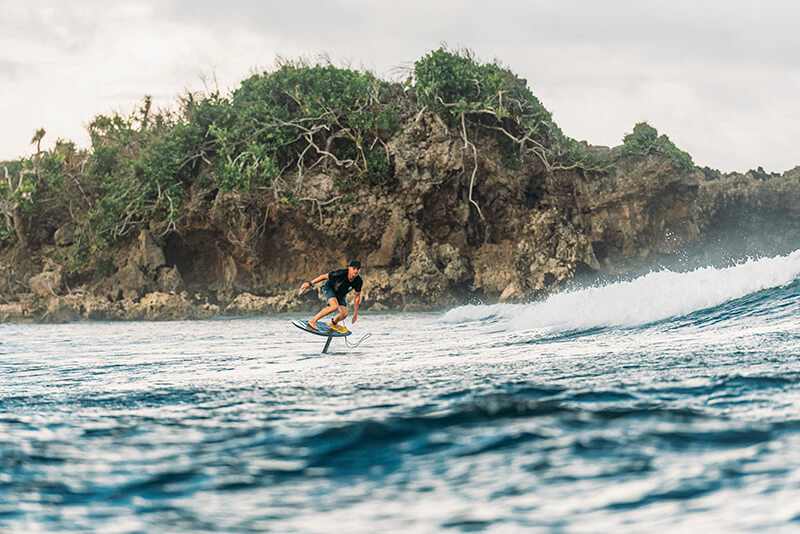
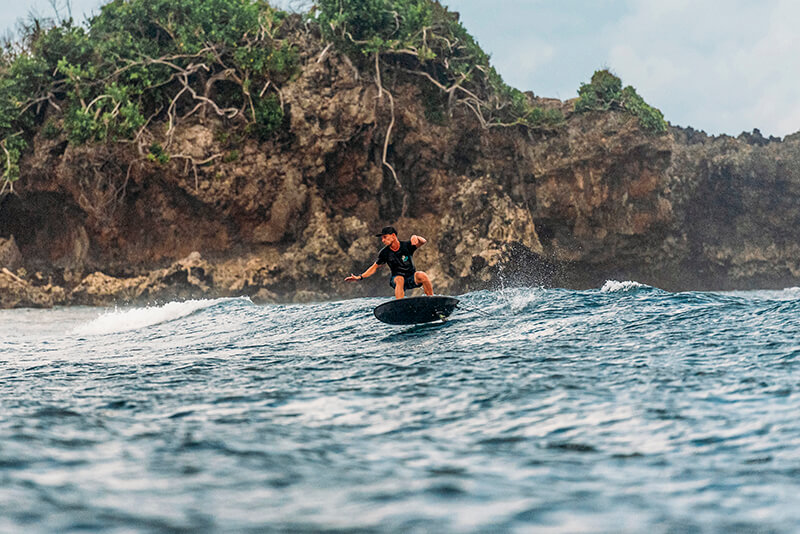
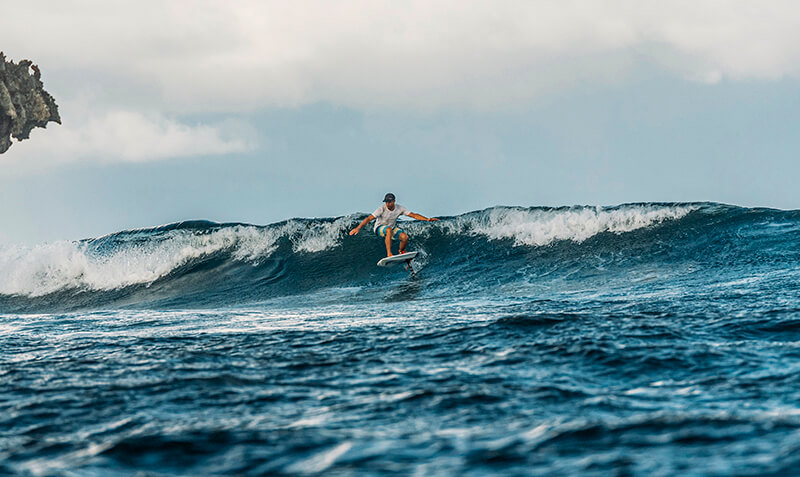
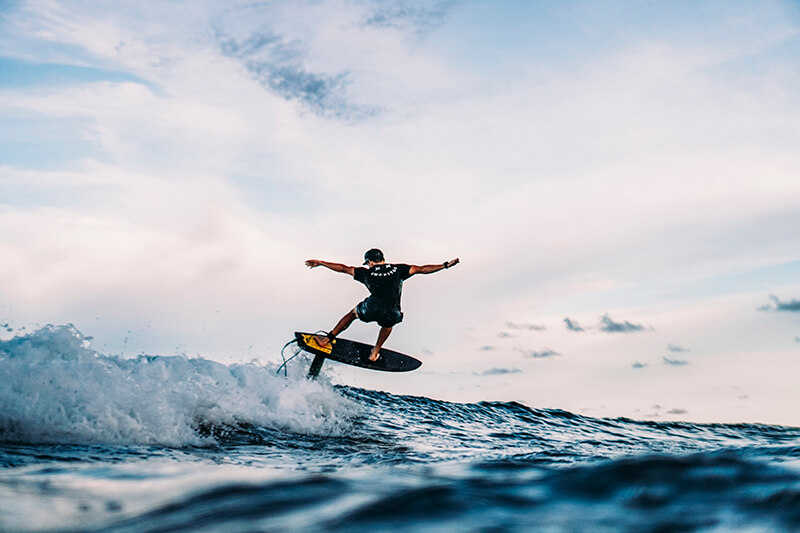
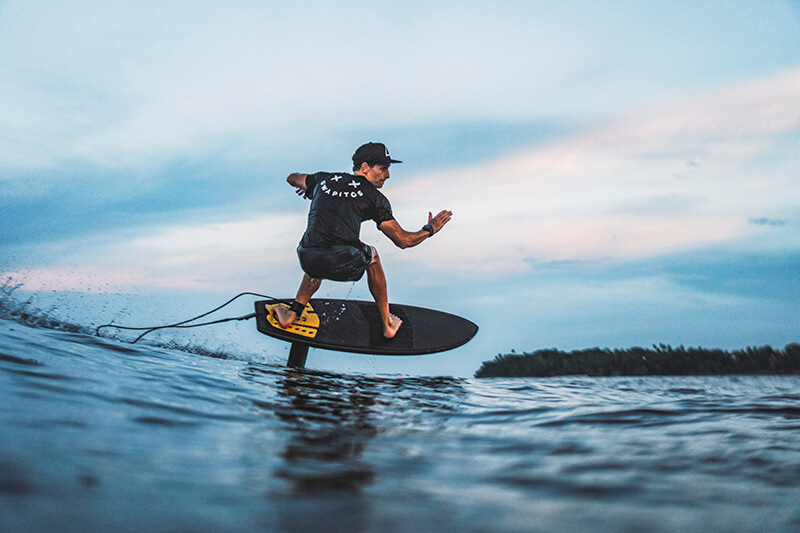
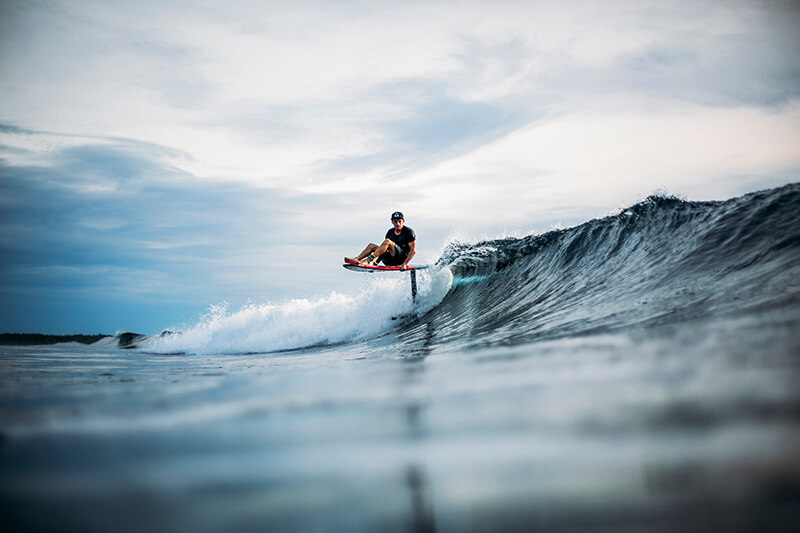
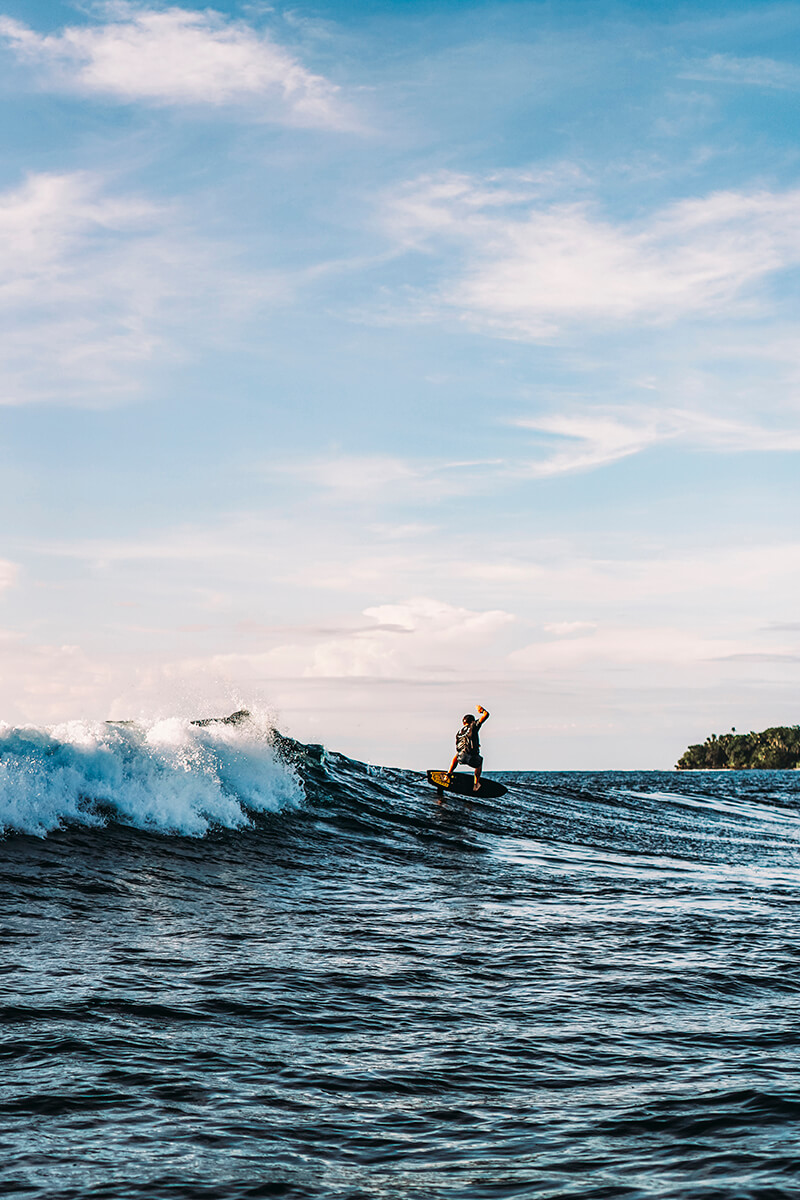
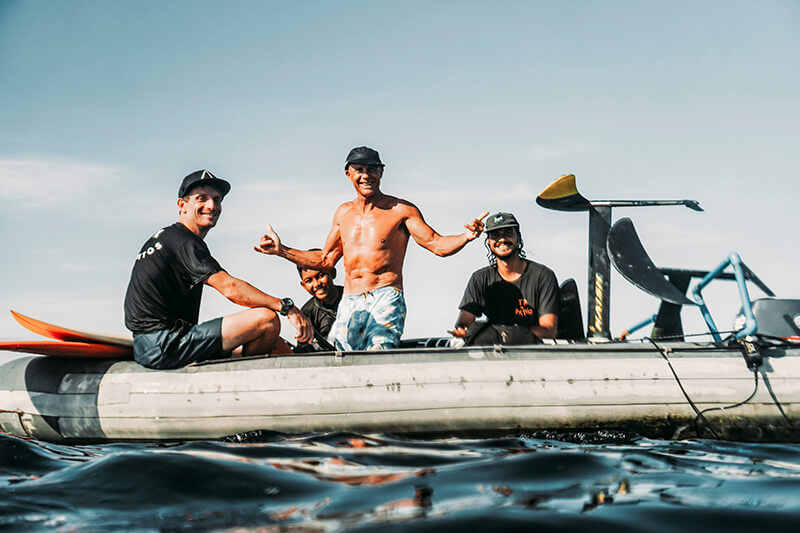
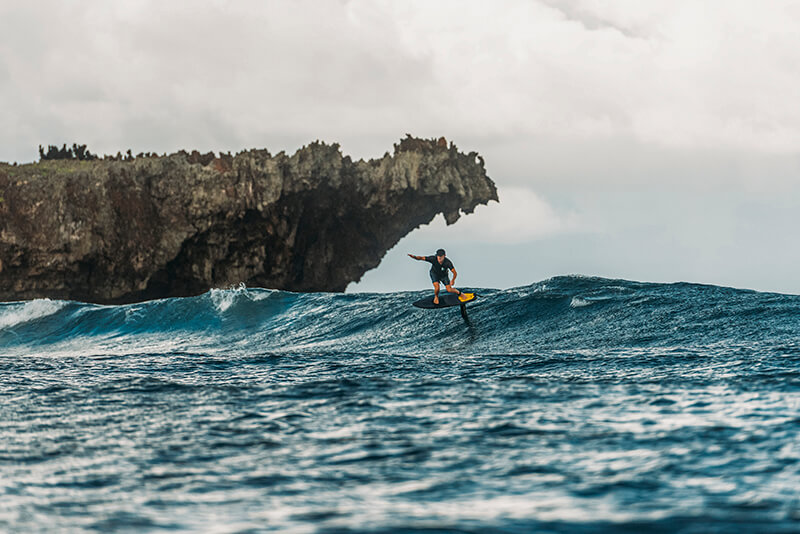
Foiling made a big difference. About a week after the typhoon, another batch of windy days came by. The small foiling scene was on it. We were able to go out on the wing and travel to the waves on outer reefs, where no one could really see, or cared. It helped a lot to enjoy the much-needed water time. We went out unnoticed, and surfed far away from anyone’s house or resort. We would take our time out there, and then sneak back in between the sunken boats and trashed beaches. The conditions were prime. Siargao still has a very unexplored territory, when it comes to foiling.
After the wind, came the prone foiling days. Again, we went to spots that nobody looked at. It was comforting to be hidden and alone. Those moments out in the ocean helped us a lot. It made the desperate situation feel much lighter. It gave enough stoke to stay. To help, to rebuild and to support the local community.
The island’s recovery went fast. The local governments, together with the international community, did a great job in providing relief and shelter where needed. The electricity posts were restored in no-time and the airport was running again in just two months. Siargao made its comeback, ready for tourism, ready for the surfers, and ready for the foilers.
Now subscribe to the world's best foiling magazine!
To get the latest premium features, tests, gear releases and the best photojournalism in the world of foiling, get yourself a print subscription today!
When it comes to wetsuits, finding the sweet spot between warmth, flexibility and durability is no easy feat. With the latest evolution of the Majestic, MYSTIC has taken a closer look at how materials, construction and design can work together to get more out of a 5/3mm suit. We sat down with Timon from MYSTIC to talk about the thinking behind the new Majestic, the introduction of Yamamoto 40 neoprene, and why sometimes the smallest details make the biggest difference on the water.
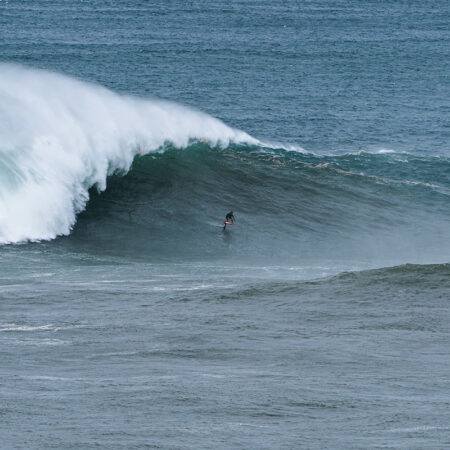
Tracking a massive forecast for ten days paid off when Sydney delivered a rare, mega-period swell. Matt Davies and crew scored glassy, 700-meter-offshore bombs at North Narrabeen—trading epic lines until shark sightings, ski breakdowns, and engine trouble finally called the session.
The PWR-Foil crew turned a routine trip to the 2026 Palma Boat Show into an epic eFoil safari, riding everything from glassy high-altitude lakes to hidden Mallorcan coves.
To provide the best experiences, we use technologies like cookies to store and/or access device information. Consenting to these technologies will allow us to process data such as browsing behavior or unique IDs on this site. Not consenting or withdrawing consent, may adversely affect certain features and functions.
Functional
Always active
The technical storage or access is strictly necessary for the legitimate purpose of enabling the use of a specific service explicitly requested by the subscriber or user, or for the sole purpose of carrying out the transmission of a communication over an electronic communications network.
Preferences
The technical storage or access is necessary for the legitimate purpose of storing preferences that are not requested by the subscriber or user.
Statistics
The technical storage or access that is used exclusively for statistical purposes.The technical storage or access that is used exclusively for anonymous statistical purposes. Without a subpoena, voluntary compliance on the part of your Internet Service Provider, or additional records from a third party, information stored or retrieved for this purpose alone cannot usually be used to identify you.
Marketing
The technical storage or access is required to create user profiles to send advertising, or to track the user on a website or across several websites for similar marketing purposes.