











































Perspective: Erik Aeder x Kai Lenny
Meet the people behind the images. First up, legendary water photographer Erik Aeder, reflecting on decades of shooting Maui’s ocean sports and Kai Lenny.
READ MORE
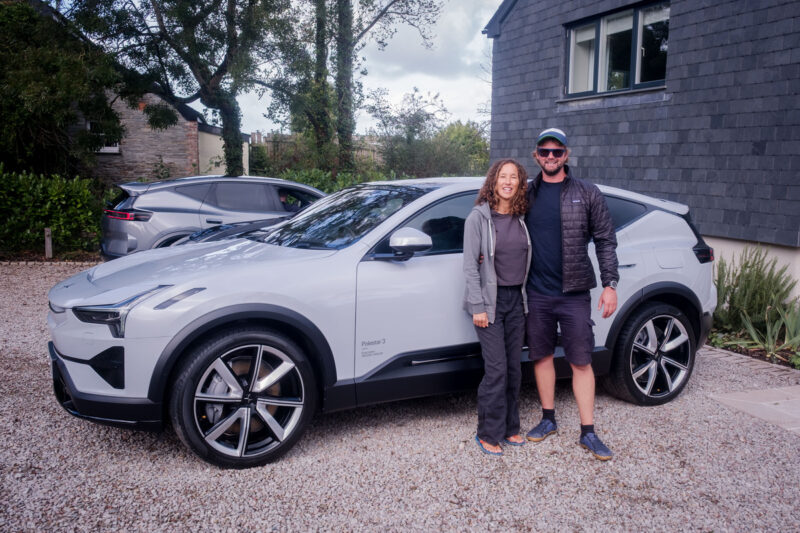
Working in the water sports publishing industry, getting an email from a luxury electric car brand like Polestar is a lightning bolt out of the blue, but for an unashamed car and tech enthusiast, being invited to attend a press event with them was a bit of a dream come true and we had little idea what to expect. In fact, at first we thought we may have been on the wrong mailing list, but a couple of weeks after initial contact, a car transporter arrives and drops off a 2600kg package of Scandinavian automotive chic on our driveway for us to play with for a week. My beady eyes lit up as if it were Yuletide…
Words: Richard Boughton (FM Tech Editor) | Photos: James Mason
As an active, probably middle-class, middle-aged family of three, dwelling in deepest darkest Devon, our current motoring situation would best be described as haphazard. As it stands, we currently own and use a motley selection of four vehicles, which I will now attempt to justify.
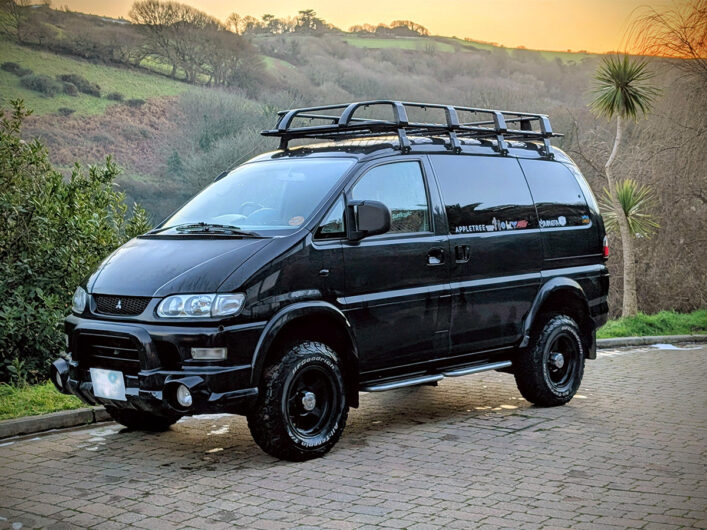
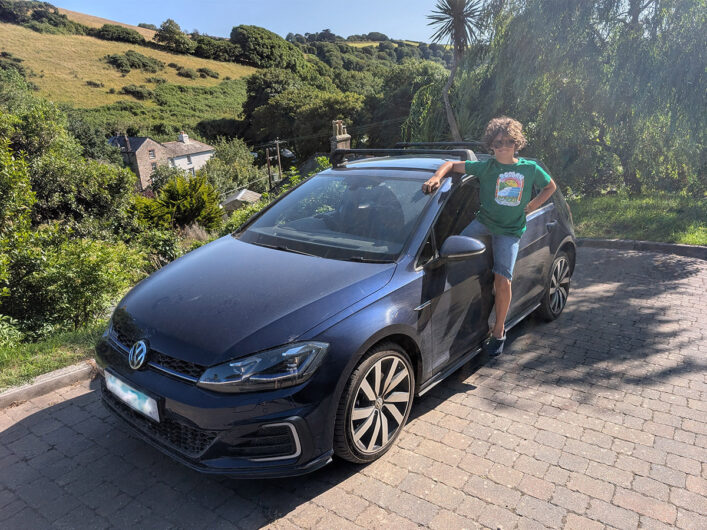
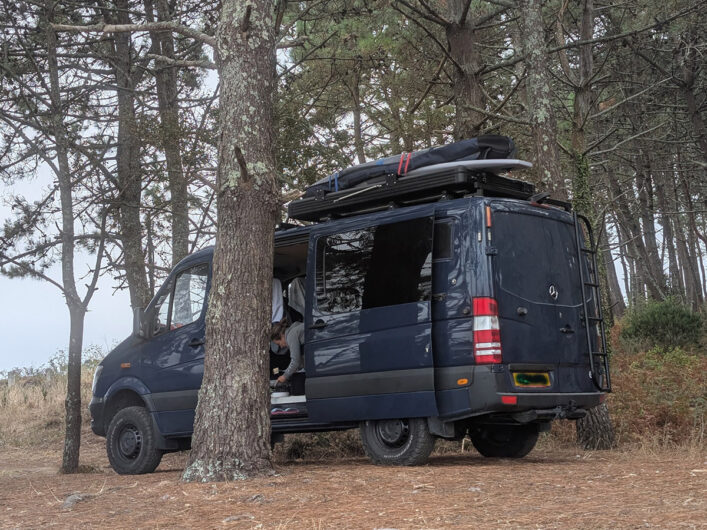
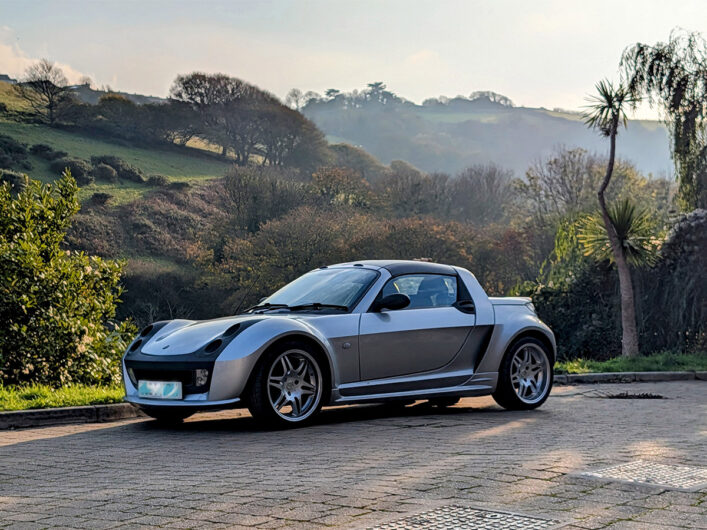
Hopefully that outlines our current confusing, and fiscally inefficient situation. All of these vehicles have their own purpose and context but some streamlining will inevitably have to occur, particularly with fuel prices currently being absurd. Murmurings of full electrification have been discussed over family dinner, but what fits our slightly complex range family requirements?
Attempting to be better good global citizens (and with me being a prepper in these wobbly times internationally) we’ve got a swathe of solar panels adorning our property and a large stack of lithium in the garage. Every time I boil the kettle, smugness overwhelms me. It makes sense to utilise more of our home grown energy for transport purposes.
So, what Scandinavian beauty was it that turned up on our driveway? This was in the form of a Polestar 3. Living in a muddy trench of coastal Devon, with a driveway gradient that terrifies even the most intrepid Airbnb guest, I’d made sure I specified the dual motor version for maximum traction. The fact this also meant it had 544bhp had no bearing on my request whatsoever, and anyone who might predict the first thing we did with it was a foot-down pull on the local A road, leaving our vital organs several hundred metres behind us, is not incorrect.
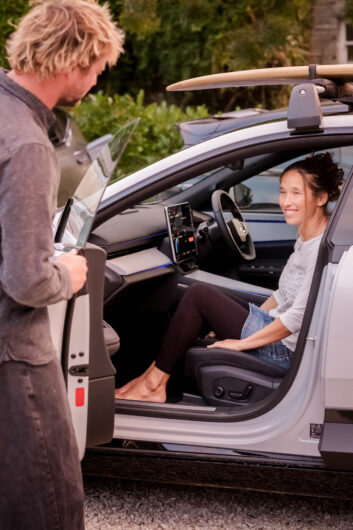
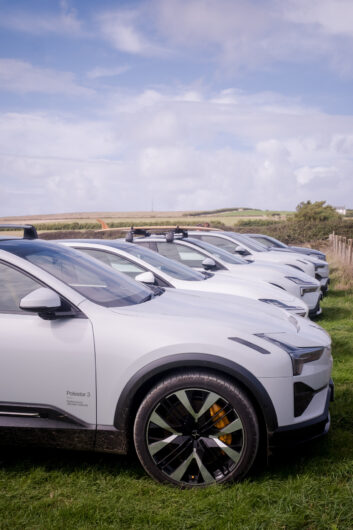
Stepping into this £88k vehicle, particularly in the context of our existing fleet of odd, but interesting transport, was a stark glimpse of the future. Internally it felt as if a Volvo had made a car baby with the Starship Enterprise; we were in a cocoon of scando-calm and tastefulness that put much of our house to shame. We loved the massive music control knob, and the absurdly good B&W stereo. We loved the way it talked to our phones. It had a self-steering cruise control mode where you could kick back and chill. It’s running next-gen 800V battery architecture and can DC charge from 0-80% in under half an hour, barely enough time to do a lap of M&S at the services.
But how would it handle our strange and highly specific Devon lane with a heavy dash of watersports usage case?
Initially the size of the Polestar 3 was a little daunting for escaping the 25 minutes of single track with passing places to the A38 without ruining the stunning magnesium paint, but in practise the surprisingly light and nimble handling, lack of gears and decent 3D reverse camera meant it was easier to drive than our Golf. The massive 22” wheels traversed the gaping potholes with ease and the traction levels on the many slippery autumnal surfaces was extremely impressive, even on standard road tyres. Its weight distribution is almost 50/50 front to back wheels, so although it’s heavy, it’s perfectly spread which could explain why it feels so balanced.
One of the bugbears of modern cars we’ve had is proximity sensors going crazy as soon as you tuck into the hedge, and we’d prepared ourselves for a lot of irritating beeping, but to our pleasant surprise it was as calm and polite about any jaunty branches as our Scandinavian mother-in-law. No shouting, all pragmatism. This carries over into its sourcing and eco credentials, with much recycled or sustainably sourced content in the interior plastics and upholstery, and all that lithium, cobalt and other fancy minerals are traceable from the car to the country of origin.
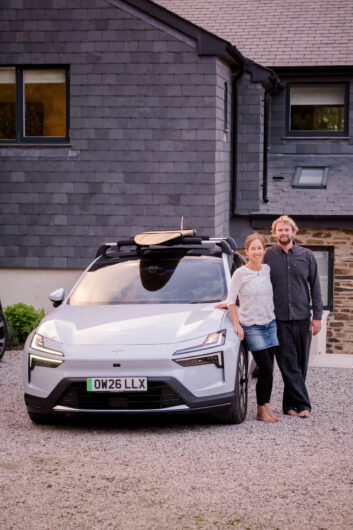
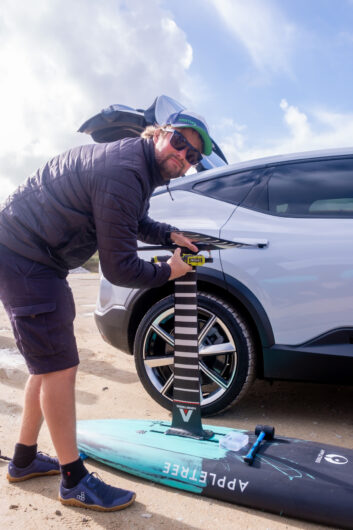
Our test scenario involved a rather delightful end-of-season trip to the UK’s lithium capital of Cornwall, which could be viewed as a busman’s holiday for coastal Devon dwellers, but don’t underestimate the stark cultural differences, including the various double mini roundabouts and controversial cream tea layouts, provoking historic tension across the river Tamar. Cornish Gems hooked us up with a stunning house that made me feel like a modern-day Poldark sans tin mine. We larked about wingfoiling and surfing with Lucy Campbell at Harlyn, and even had a cheeky sauna afterwards. We foraged hedgerows for nourishment with Stuart Woodman, and tasted wine and ate superb food at Trevibban Mill, cruising silently between venues with understated Scandinavian chic. Returning to normality wasn’t going to be easy.
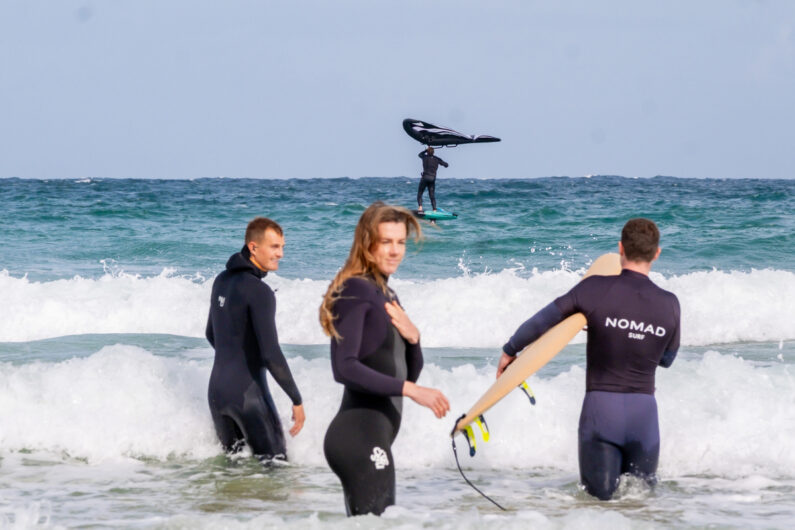
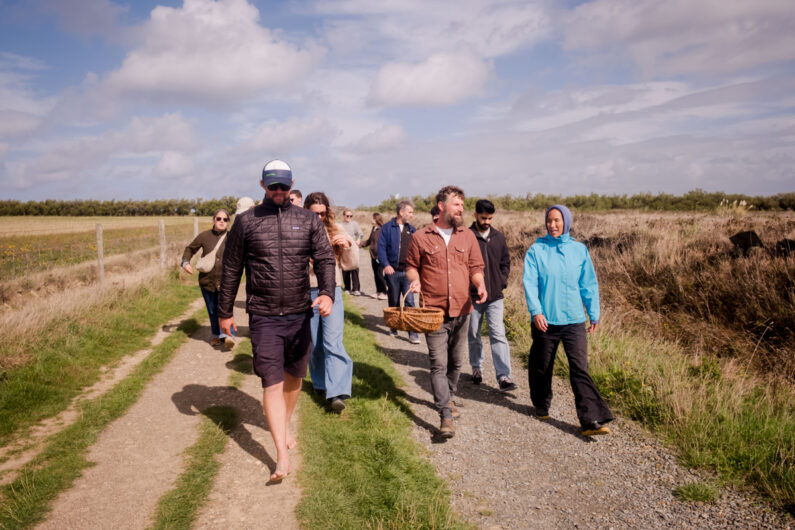
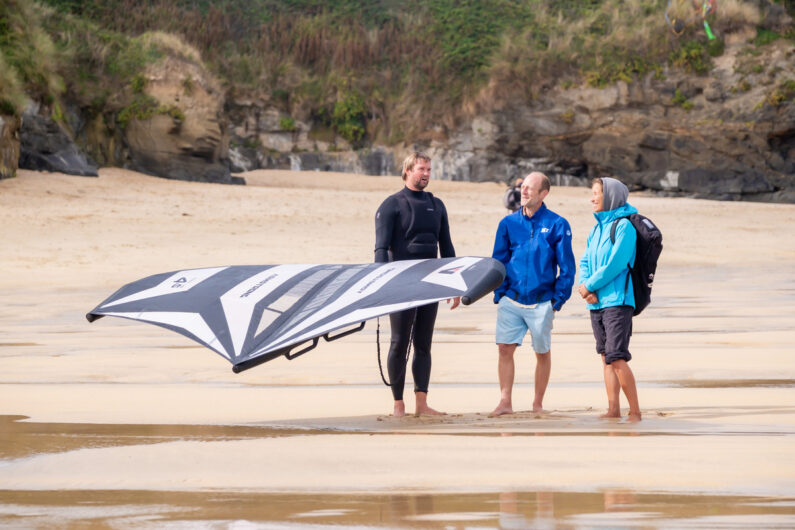
So which of the current fleet could the Polestar potentially kill off? With a sensible hat on, perhaps three out of four vehicles. From a practicality perspective, albeit not a fair comparison financially, but it murders the Golf GTE on every level, and is obviously fully electric rather than a half measure. It’s easier and smoother to drive, far more luxurious and nowhere near as cumbersome as we expected, even in our weird Devonian swampland usage case.
For what appears a big unit, it’s absurdly fun to drive giving me a maniacal grin when left unsupervised, and goes a long way to usurping the Roadster Brabus in sheer G-Force power, grip and nippy, light handling. My usually cautious partner was even flooring it and giggling like a fool. Plus you could hear yourself think and feel generally less embarrassed about being a 6’3 middle-aged dude in a micro car.
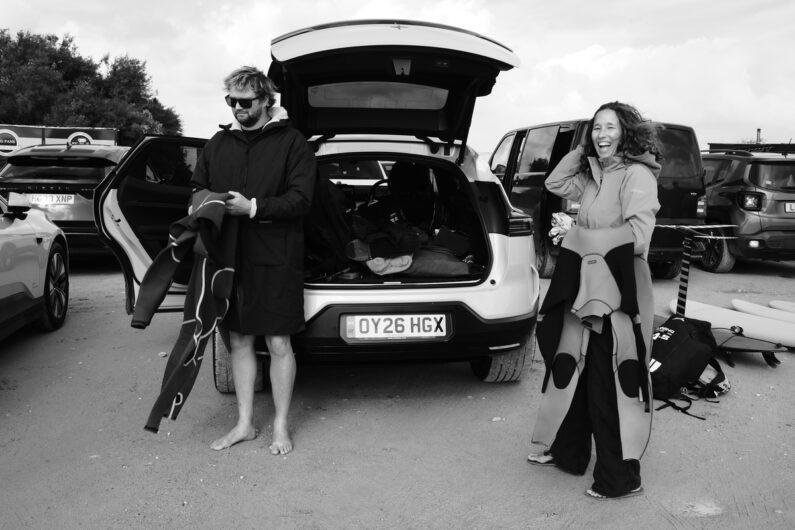
For hauling kit, even with our absurdly high demands for water sports purposes we managed to fit in a full foil assist system as well as a mid-length wingfoil board, three wings and holiday luggage. The rear seats go down in a practical fashion and with the addition of a roof rack or box we could tackle most of our storage requirements with little issue. It’s 107 kWh battery with close to 400-mile range is also far in advance of the 250 miles per tank of the thirsty Japanese bus. Even the faithful Delica is now in peril.
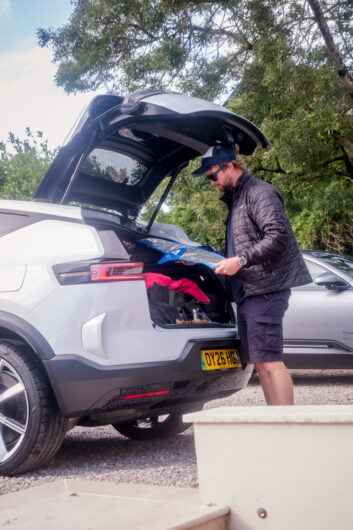
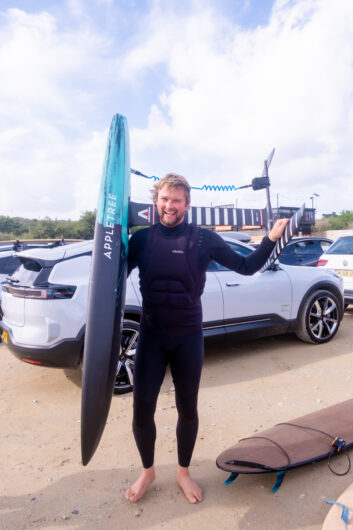
We returned home to Devon in calm scando-luxury, argued over who would get to do the school run, and a few days later a nice man came to confiscate the Polestar. As it disappeared off betwixt the hedges, we both shed a little tear. We’d miss it.
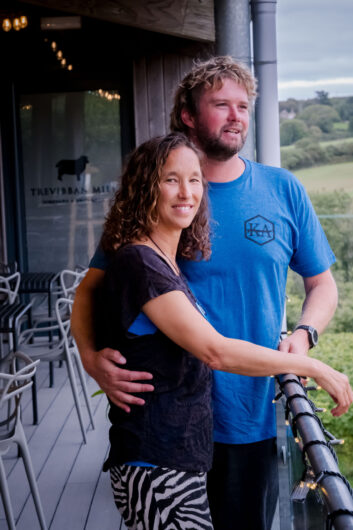
So is it time to swap to a giant Swedish Scalextrix for day to day motoring? Although the initial new cost is slightly daunting for our delicate pockets, the second-hand market is buoyant, and there’s a myriad of options there. With fuel costs currently arse-clenchingly high, by the time you add up the running costs and maintenance of the current fleet, it’s a fairly logical prospect.
Is it too posh for us? Probably yes. Would I tow a dead tree down with it? I could but I probably wouldn’t. Would we fill it with sand? Undoubtedly. Would we really like one? Absolutely.

Meet the people behind the images. First up, legendary water photographer Erik Aeder, reflecting on decades of shooting Maui’s ocean sports and Kai Lenny.
READ MORE
Facing sub-10-degree cold, fading daylight, and a broken cliff path, Tom Court took his Fliteboard Ultra L2 out to explore the Isle of Wight's rugged south coast, scoring heavy reef peaks and secret slabs before a brutal last-wave wipeout.
READ MORE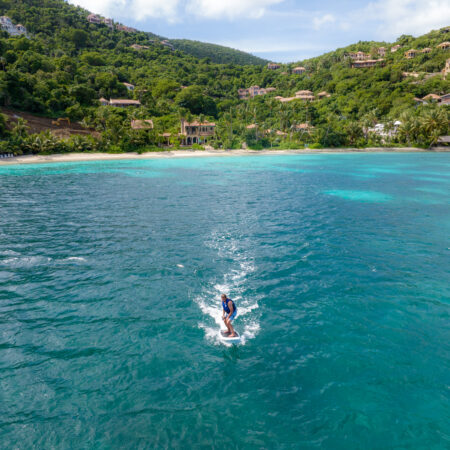
About a third of crewed charter yachts in the Caribbean and the Bahamas now carry a foil, and the crews put it under whoever is standing on the sugarscoops. Jason Acosta on the beginner program nobody designed...
READ MORE