Peaks & Troughs
The struggle is real for big wave riders like Jeremy Wilmotte, dealing with the that punch-to-the-gut disappointment when forecasters inevitably make the odd dodgy call on apparent incoming swell bombs. But when they get it right, Jeremy knows exactly what to do…
Words: Jeremy Wilmotte | Photos: Charles Alex Clement & Simon Sheppard
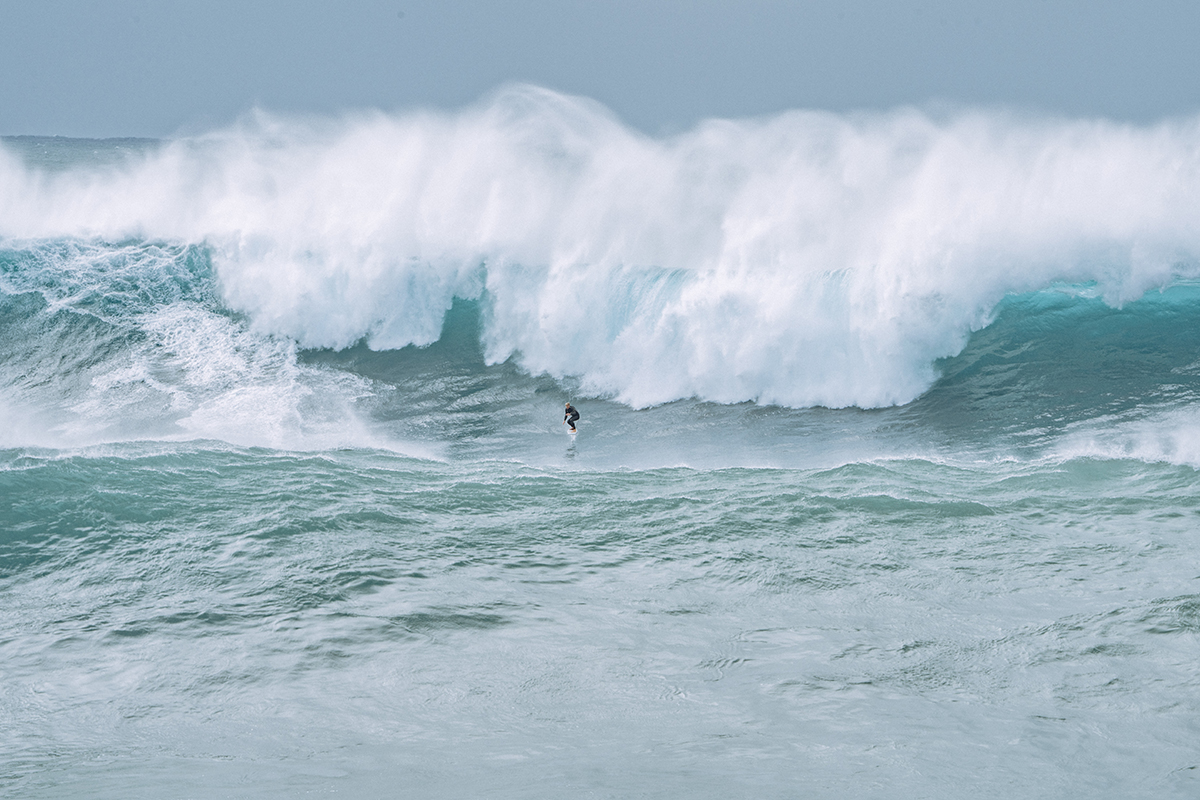
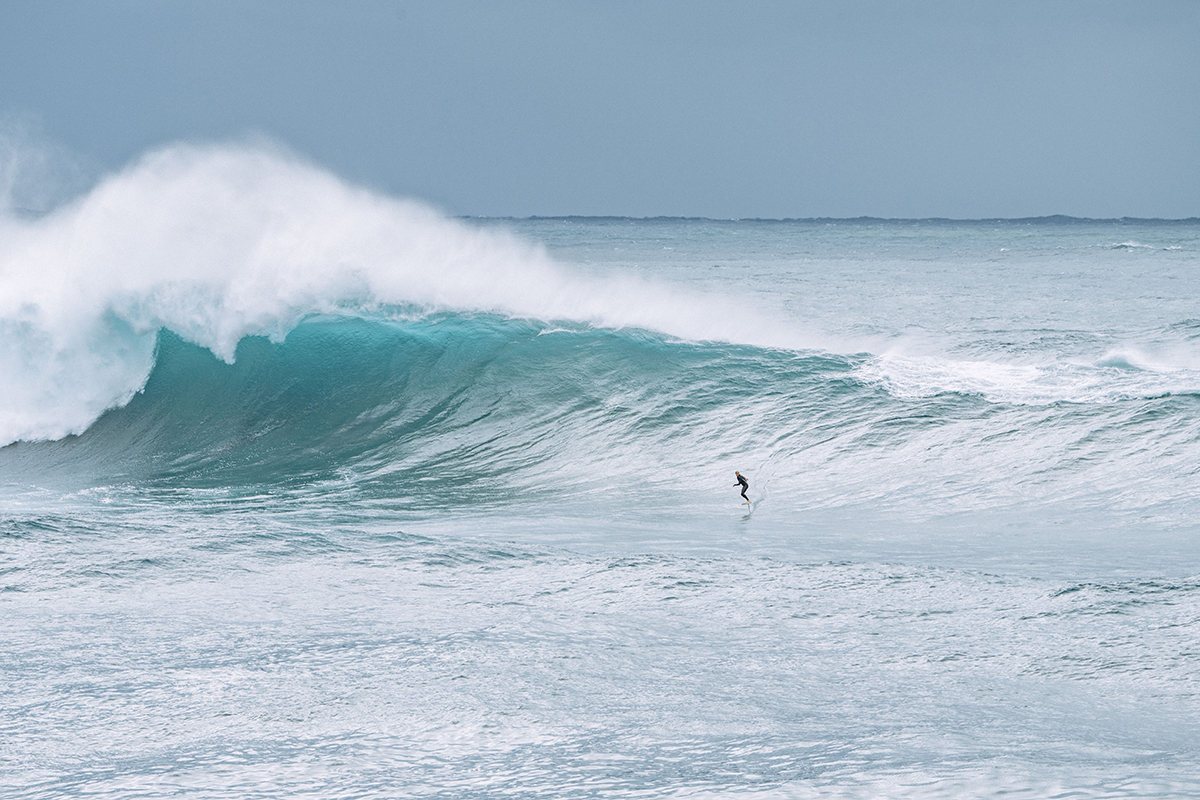
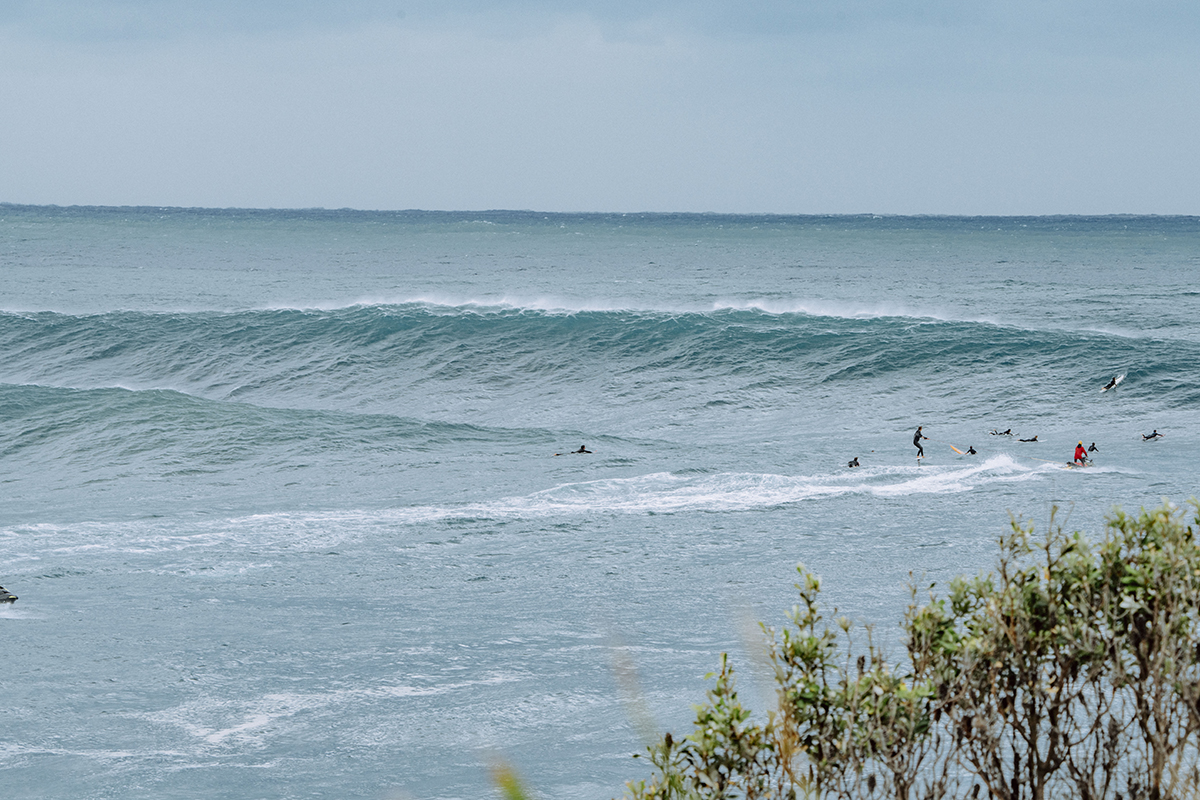
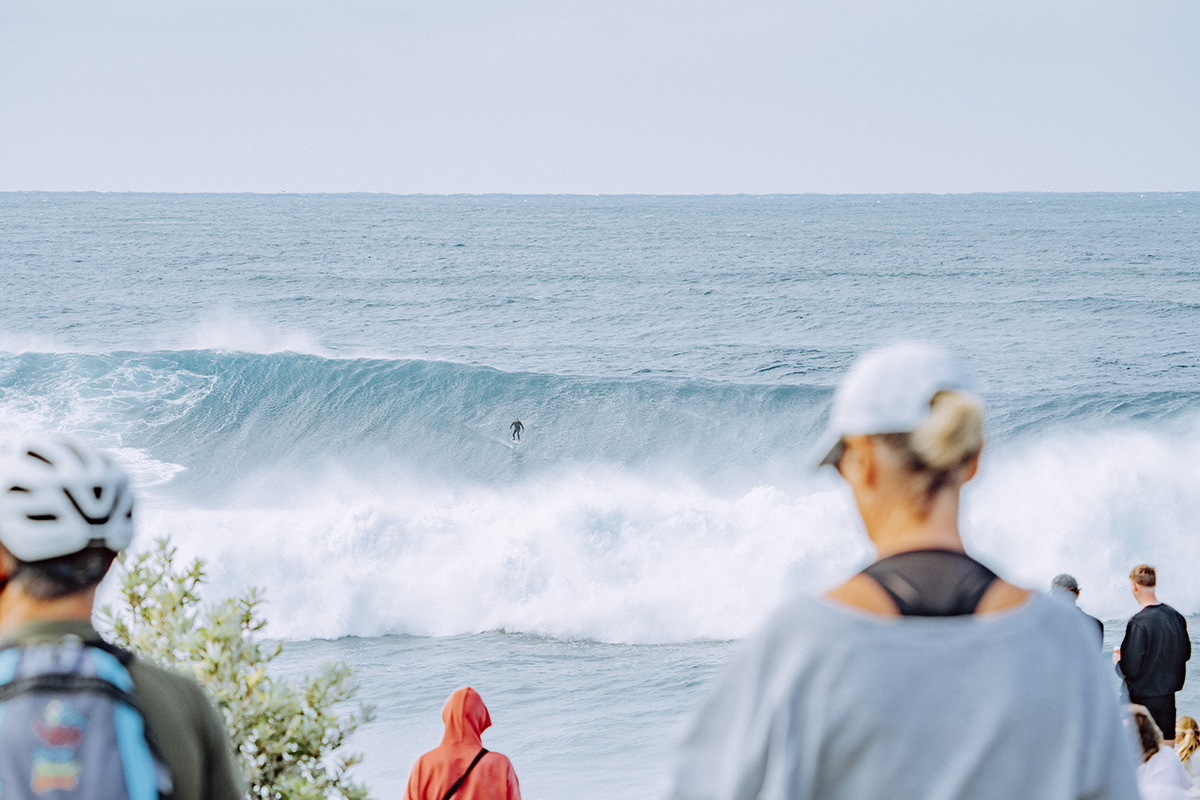
On the east coast of Australia, we get two to four large swell events a year, with extra-large ones possibly every two to five years. That is a lot of waiting time in between. After 25+ years of chasing big waves on multiple crafts, there is a pattern to maintaining sanity.
Surfers live for waves – one could almost say they feed on them as a daily nutritional requirement – yet on the east coast you could argue they’re chronically malnourished.
💎 Premium Content Ahead! 💎
This is premium magazine content, usually only available to our subscribers, but you can access it for free when you join our mailing list!
(Already subscribed? Simply enter your email to unlock all magazine features now)
*You will receive our weekly Friday Pump newsletter, plus the latest features, gear tests and giveaway announcements.
Desperation leads to believing headline-grabbing swell forecasts ten days before any event. Considering these swells only happen four times a year, it’s amazing how often the long-term weather models will forecast large storm events. It becomes essential to mentally downplay the internal excitement that, four out of five times, eventuates to nothing. You can’t live in constant disappointment when these swells don’t materialize. Interestingly, the more complicated and accurate swell forecasts become, the more I trust myself just looking at the barometric pressure maps.
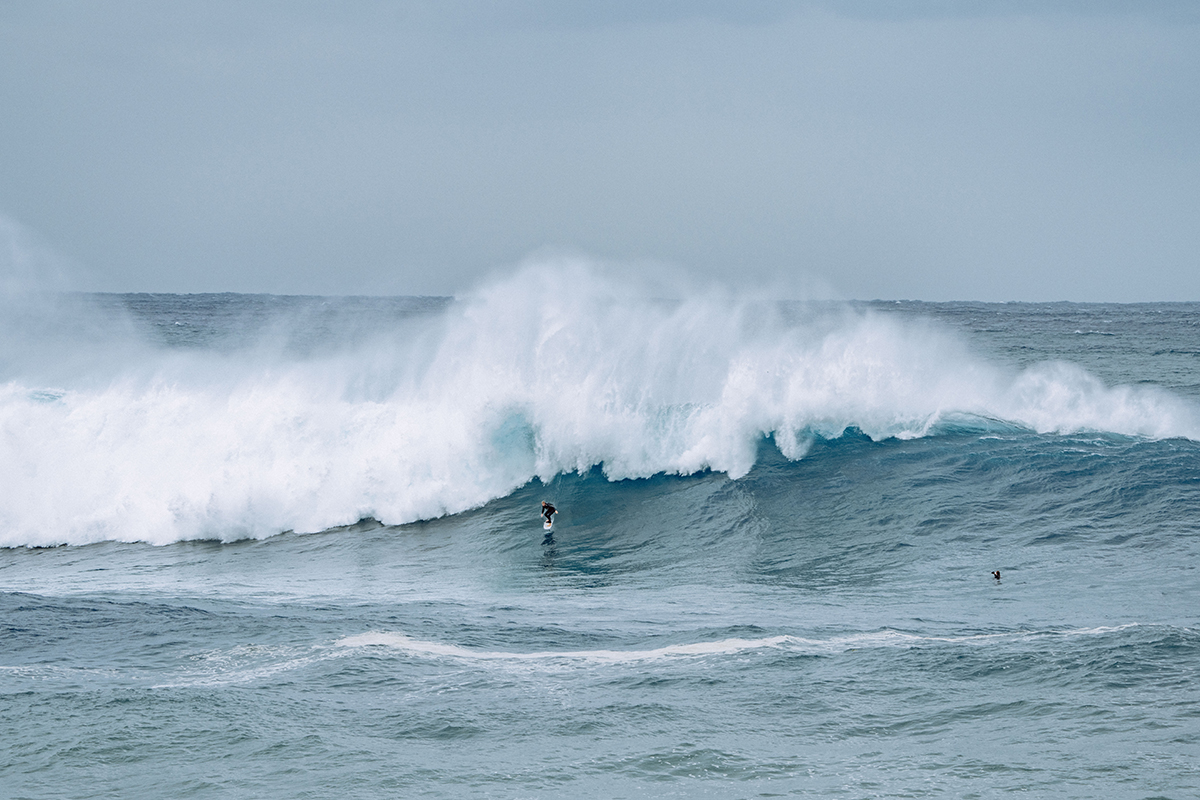
Three or four days out from a swell is when I start believing. I begin answering phone calls and activating my excitement. I’ll organize time off work and ring my partner in crime, Josh Ku, to make sure he’s available. If he’s not, it can be pretty hard to find a solid driver but getting on water is always the most important.
One to two days out, it’s time to tell the wife. I leave this as late as possible – she sometimes gets stressed when it’s going to get big, and quite often the local news on television informs her before I do. The day before, I try to reduce physical exercise. There’s no denying I’ll be tired and sore by the end of the day, so why make it worse.
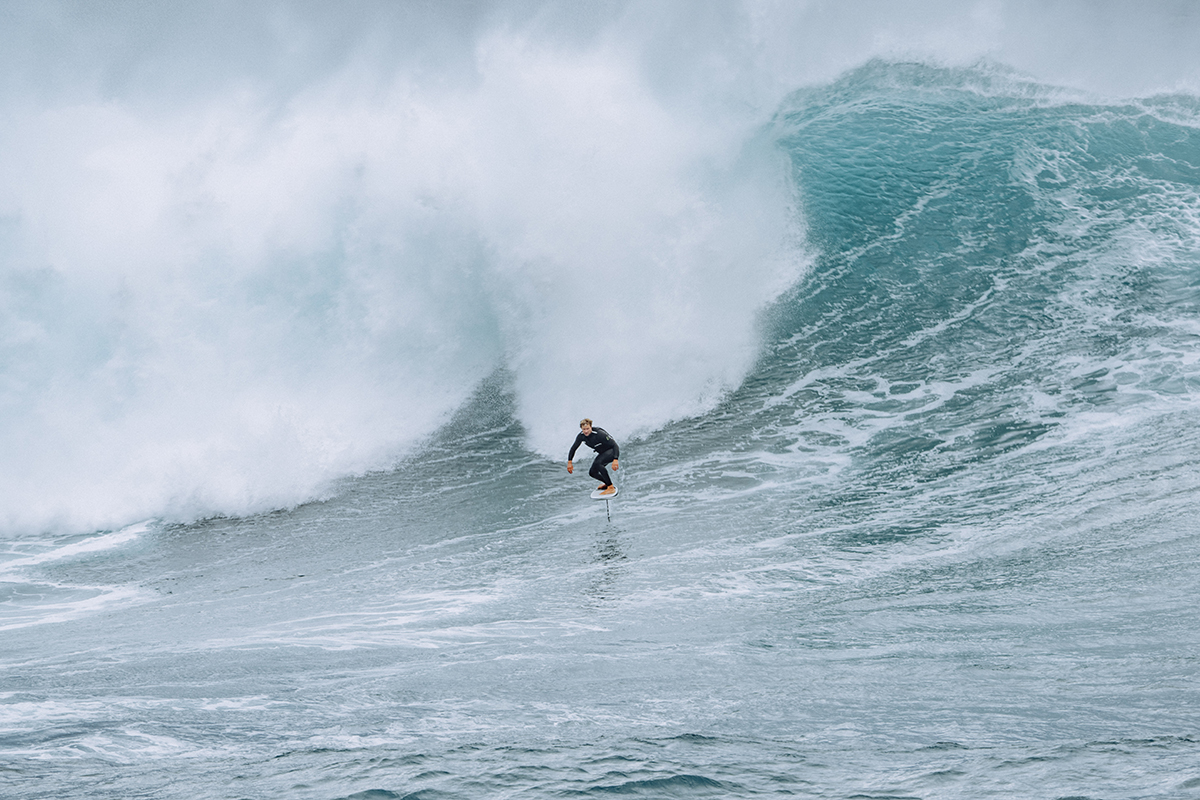
Preparation isn’t just turning up in the morning – before this particular swell I went for a wing session for 30 minutes before dinner to make sure I could still ride a 935 mast, 70 fuse and 625 MA 120 rear. I always try to ride the gear I’m planning to use, even for just a few waves, to get the feeling back and sharpen the reflexes. Following this I did the routine feeding of the kids, then at 8pm hooked the ski on the car and loaded the sled. I ignored some more last-minute phone calls from people wanting to jump on the ski the next morning. It might sound harsh, but people need to understand that Josh and I wait a long time for these opportunities – they are so few and far apart. We’ve invested financially in the ski and trained together over countless sessions to understand each other’s abilities, all in the aim of operating in harmony.
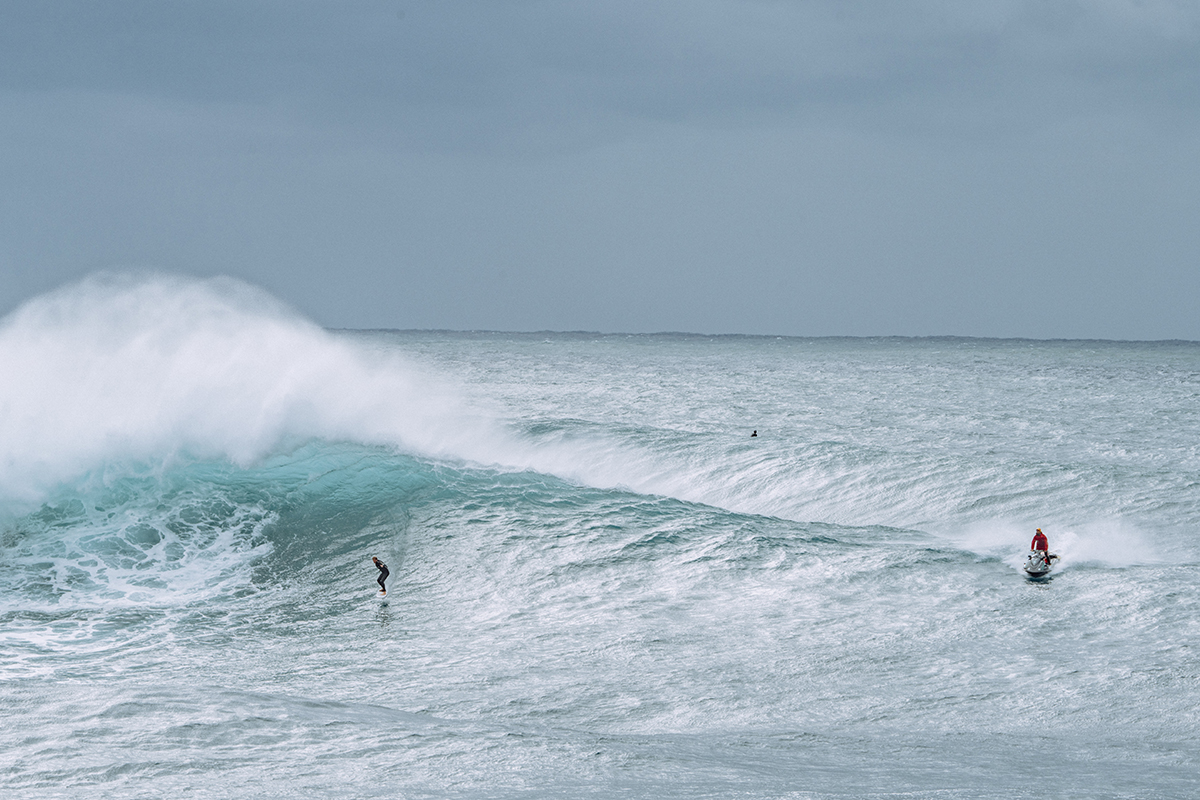
I double- and triple-checked all the gear over and over until about 10pm. I packed a spray Follow wake jacket to wear over the 4/3 wetsuit – the water is still 23 degrees, but when the wind is 30 knots you get freezing. Packed ski goggles for the ride home to stop the spray hitting my eyes.
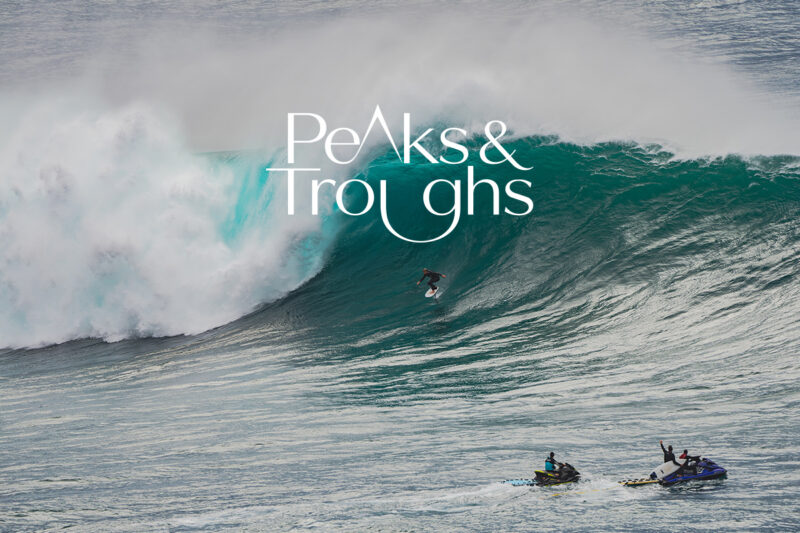
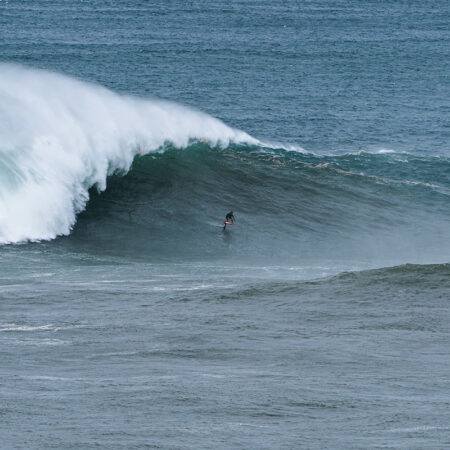
The alarm went off at 6:20am, still dark. Spoke to Josh – the swell didn’t look big, but it never does in the dark at high tide. The wave buoys were reading 8 meters, so it was out there. Winds were good so there was nothing else left to do but launch the jet ski in Botany alone for the one-hour ride to Coogee. The wind felt offshore on land, but once I got into open water it felt horrible – cross onshore, not cross offshore. I fully submarined the jet ski twice in the trough of the wind swell just getting there.
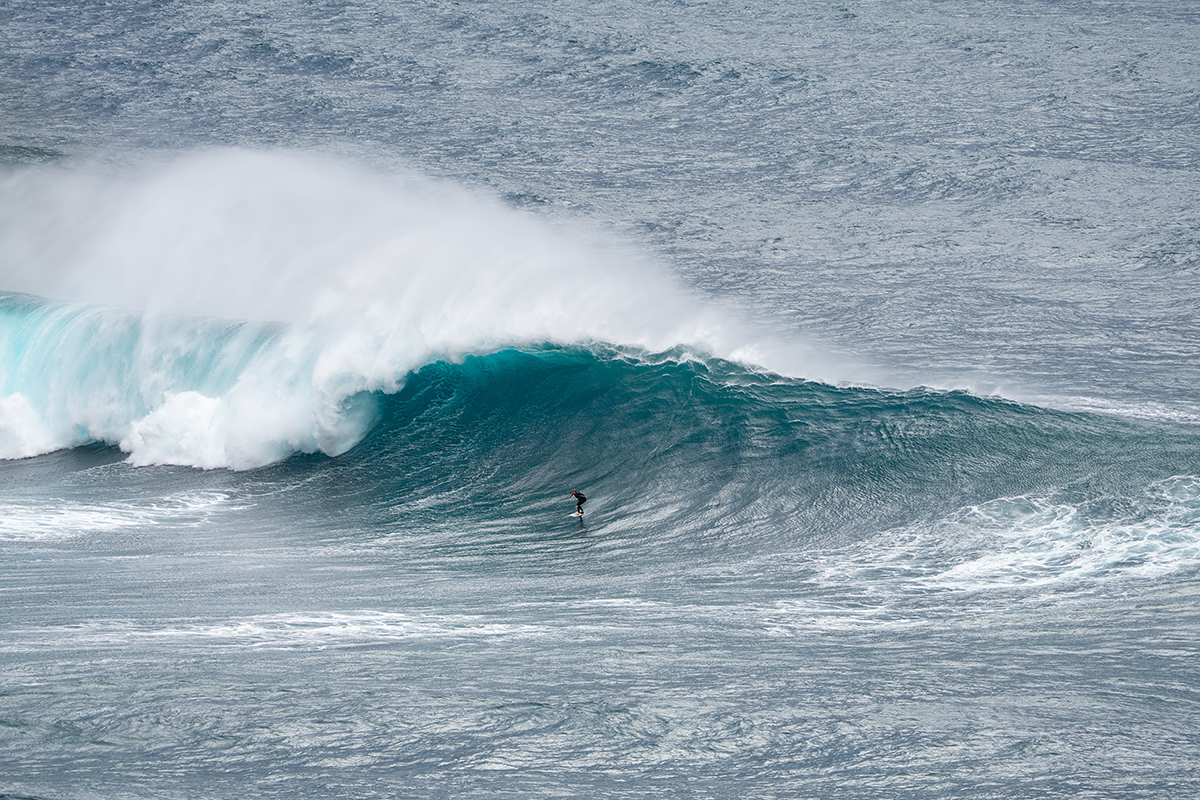
Because I’d missed a few swells and we’d had such a long, extended wave drought, I had almost forgotten the feeling of excitement that returned after my first wave. But it was real, and it was happening – that feeling of required focus for survival, combined with extreme endorphins. Josh and I had a great time. I also frustrated myself with some poor decisions and average riding. The fact is, no matter how prepared you are for an event, it’s hard to play a perfect round. Hopefully next swell I can go a little deeper and get bigger waves.
I was on the water from 7am until 1pm, and just to make sure I wasn’t tired enough, I went surfing with the kids for another two hours late afternoon in some smaller waves yet still huge for them.
It’s hard to explain in words, but after a full day of extreme mental focus, physical exertion and heightened euphoria, everything must come back to normal. It happens via a large crash back to reality as the body aches and you return to the daily grind of work. Post-swell depression is real.
I often wonder if what we do is a good thing? Constant swell forecast disappointments throughout the year, followed by intense extreme high spikes, followed by a week or two of depression. Should I just be a standard stay-at-home father on a steady dopamine continuum? I’ll never know – I can’t see myself stopping anytime soon. If anything, the last swell has refuelled the fire.