Coral in Focus | A Documentary by Samsung + Seatrees
A cause close to all of our hearts, and a message from our partners Seatrees. Coral in Focus. It's the ocean, and it's important.
READ MORE


























Our friends at MACkiteboarding dish out tips to a smooth jibe…
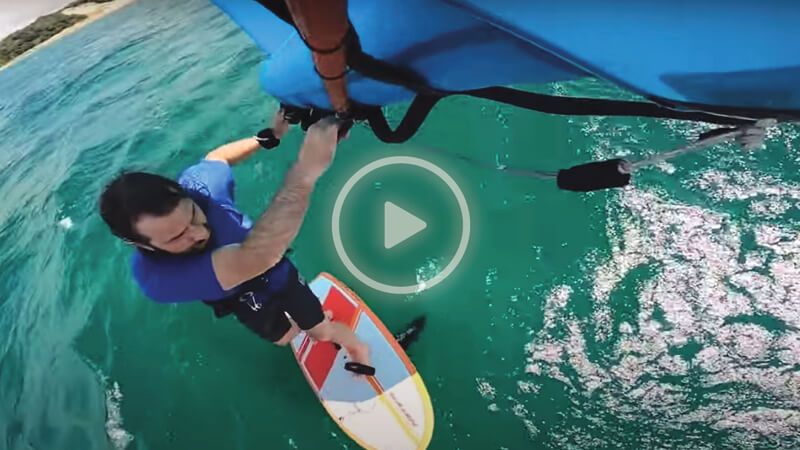
The Jibe is the first transition you need to learn in wingfoiling. Like everything wing, I encourage you to watch this video and practice the wing movement on the beach before taking it to the water. You can develop tons of wingskills without the spills right on the beach. The Jibe is a downwind transition. You may switch your feet before or after the transition. You may also chose to simply ride toeside after your jibe. The key to nailing these that I have found is backhand pressure. Pull hard on your backhand and it will allow you to angle downwind with more power, speed and glide. It will pull your board and foil in the right direction and it gives you moemtm to make the hand switch at the end of the transition. While riding heel or toeside, pull on your backhand and start to ride downwind. Keep pulling until you’ve almost completely come around on the board. Now let go with your back hand and place it on the new lead handle and let the sail hang downwind while you make the switch. Place your new back hand on the proper handle and get wind back into the sail.





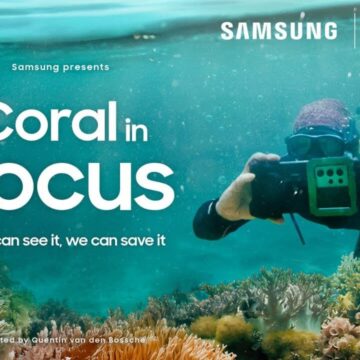
A cause close to all of our hearts, and a message from our partners Seatrees. Coral in Focus. It's the ocean, and it's important.
READ MORE
We love a good Cape Verde sesh! So does Duotone's Tom Auber, apparently...
READ MORE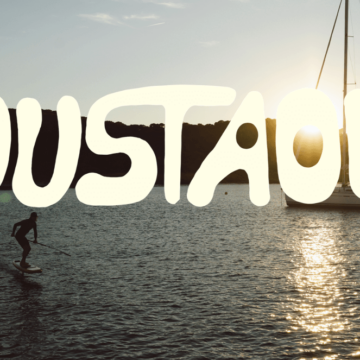
If this isn't what life is all about, tell us what is... Superb new film from Romain and the Duotone crew.
READ MORE