INBOUND: FOIL DRIVE Performance Propellers Range
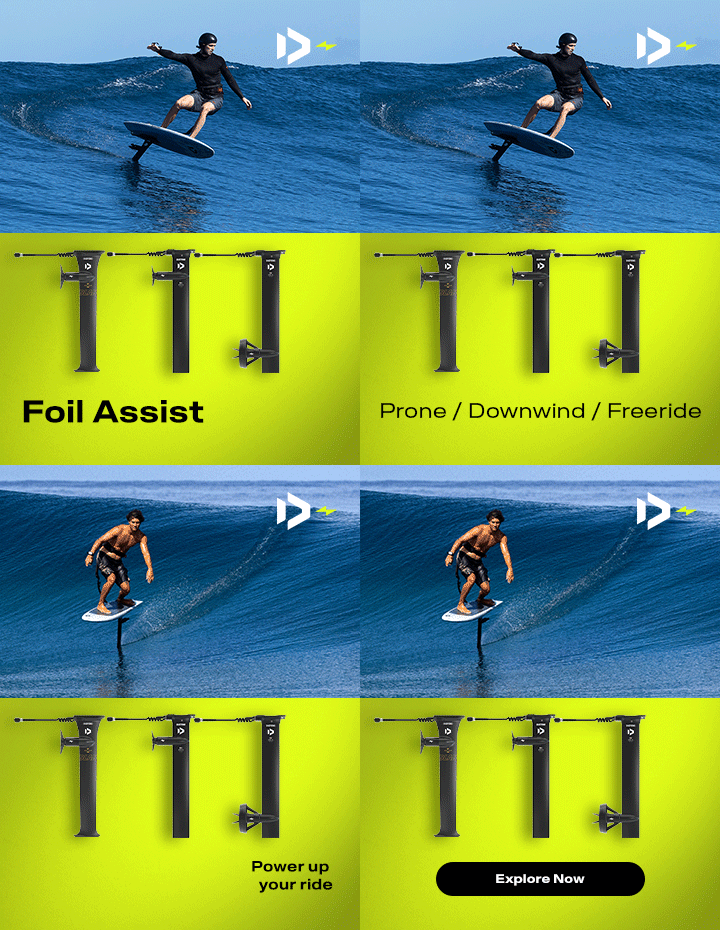
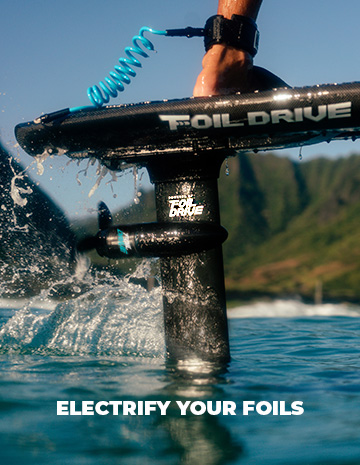
Two new prop options have arrived from the team at Foil Drive and, widely known as a brand who only drop gear when they have something quite special to offer, all the foil assist fanatics amongst you should probably start putting your pennies aside now, as it’s likely you’re gonna want in. We went to Paul Gibson, Foil Drive’s Co-Founder and CTO, to find out the details…
In simple terms, how different do the LR6 and LMHR10 props feel on the water compared to the standard?
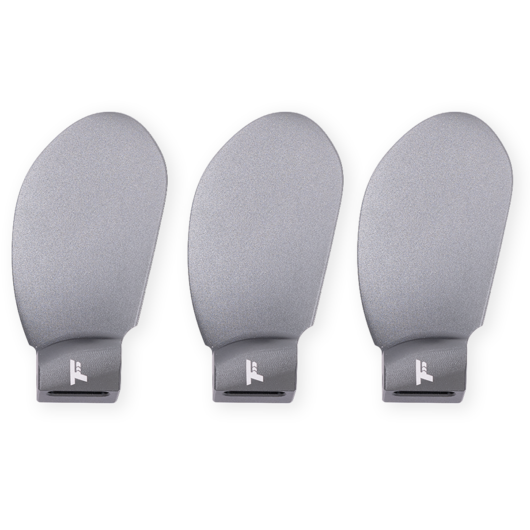
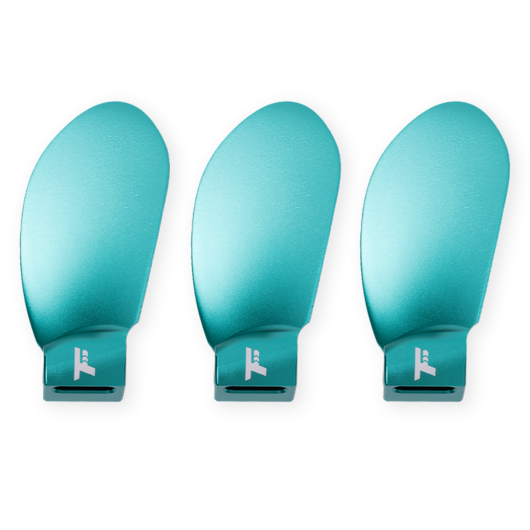
We deliberately designed all three props to feel totally different so you can completely fine-tune your ride depending on what you want to prioritize. The Low Range 6s (LR6 or “The Blue Ones”) are all about low-end torque and thrust. Just like a large foil, they pop you right out of the water, but you trade off some top-end speed. The Standard Props (Black) are your perfect middle ground for most applications; they do everything well and are really forgiving. On the other end, the Mid-High Range 10s (MHR10 or Grey) act like a smaller, faster wing. You sacrifice that punchy bottom-end take-off, but once you're on foil, they maximize your mid-to-high speed, efficiency, and runtime.
Ultimately, this comes back to the whole ethos of Foil Drive. We're foilers building the most customizable system on the planet, simply because it's the gear we want to ride.
Let’s start with the Low Range (LR6) – what kind of rider are they for, and what conditions really bring that extra low-end thrust to life?
The LR6s are really built for heavier riders or anyone battling messy, choppy conditions where you need that extra bite or grip. If you’re trying to run a smaller board or a smaller wing that struggles to gain initial water speed, that extra low-end grunt is what helps you get over the ‘power hump.'
Where the Standard Props or the MHR10s might struggle to find traction, the bigger blade area of the LR6s gives you more grip and torque to create thrust. They’re also a massive advantage when you're pushing upwind in gross, choppy water to set up for a downwinder. Beyond the torque, we’re seeing a nice bump in efficiency too, some riders are reporting 10% or more in extra runtime. It’s been great seeing the community confirm exactly what we felt during testing.
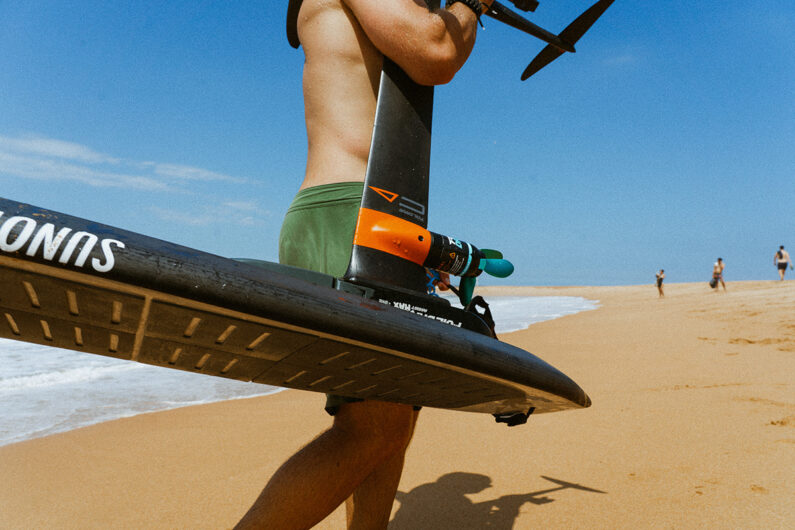
So they are a bit of a get-out-of-jail card for messy conditions and near-stall moments – was this your key focus during development?
Exactly. That was the primary intention: to create a propeller system optimized for the low-end range with more torque and thrust. It’s really about stall recovery and low-end grip.
In much the same way designers create larger foils or higher aspect wings to optimize for low-speed conditions, we wanted a prop that provides that same security when speed is low. If you find yourself in those near-stall moments, or needing the grip to get up and go, the LR6 is designed to give you the grunt needed to stay on foil and keep the session alive.
On the flip side, the Mid-High Range 10 (MHR10) leans into speed and efficiency. Who’s going to get the most out of that setup?
The MHR10 is really for the competent foiler who isn't struggling to get up on the board. For someone like myself, 90% of my battery is used while I’m already on foil, with only about 10% used for the start and getting out back. If you're in that position, these props are optimized for constantly running at medium to high speeds.
There’s always a trade-off with this kind of tuning. How should riders think about choosing between low-end power and top-end speed?
The naming conventions really tell the story here, but I like to think of it like tyres on a vehicle. Most cars come with standard tires because they work well in almost every situation, they’re hard to ‘misuse.' But if you want to go to the racetrack, you need high-speed slicks. If you’re going off-road, you need off-road tyres for traction. You can't really have a high-speed off-road tyre; you have to choose the tool for the terrain. The ‘Standards' are stone-cold reliable in the middle, but the LR6s and MHR10s are there for when you want to specialize.
From a design perspective, what were the key changes to the prop geometry that opened up these different performance characteristics?
We spent months trying every wild shape and design you can imagine, only to face a lot of frustration and, in many cases, a massive drop-off in performance. Interestingly, we ended up coming full circle back to our original, Standard Propeller design.
It turned out that the key wasn't a radical new shape, but very small, specific adjustments to length and width. It was a simple solution to an otherwise difficult problem, but it took a mountain of trial and error to find the right values. When you're tuning these, a single percent increment in the wrong direction is the difference between a prop that feels incredible and one that just doesn't work. We had to be that precise to unlock these gains, hence why we have named them with their percentage of difference 6% and 10%.
If someone’s currently riding the Standard prop, what’s the biggest reason they’d look to upgrade, and how much would you say it can really change a session?
I truly believe these propellers are the single biggest performance upgrade we've ever released. For the investment you’ve already made in your setup, these are probably the biggest bargains in our lineup. Much like riders are comfortable buying different front or tail wings to change the feel of their ride, these props do exactly that, they can totally transform your session.
We didn't release these just to have something new on the shelf; they perform very specific, unique tasks. Ultimately, owning both sets gives you the ultimate flexibility. I’d even argue that having both the 6s and the 10s costs far less than a decent front wing, yet they’ll likely have a bigger impact on your overall Foil Drive experience. We’ll have them in our demo fleets so if you’re not sure, test them out and remember, the Standard propellers are still a great option!