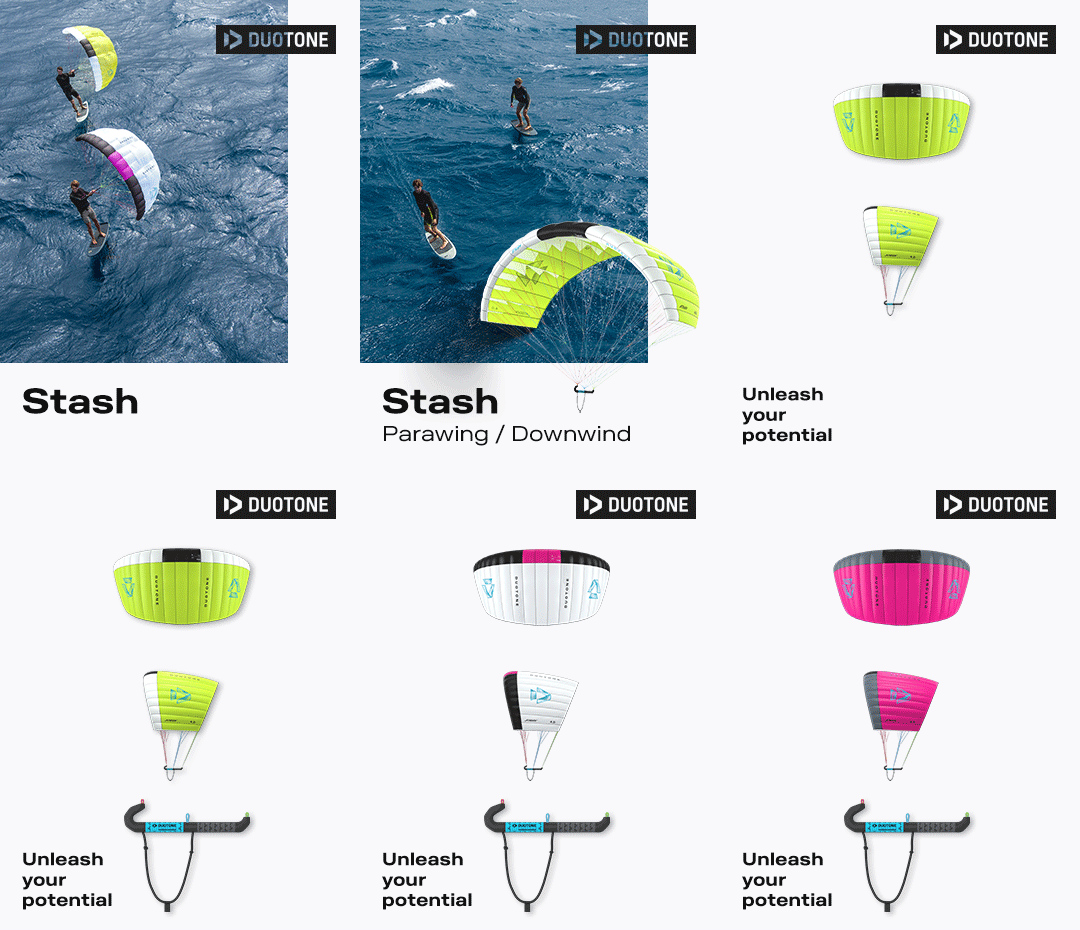
Inbound: DUOTONE STASH
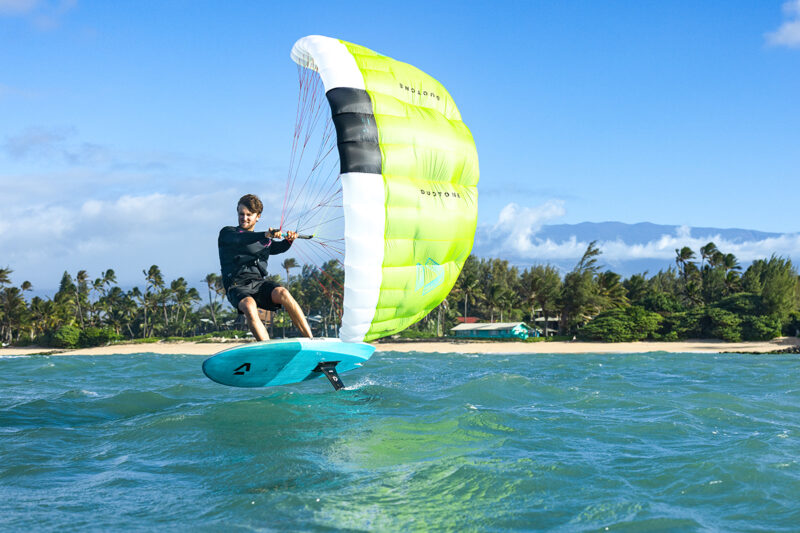
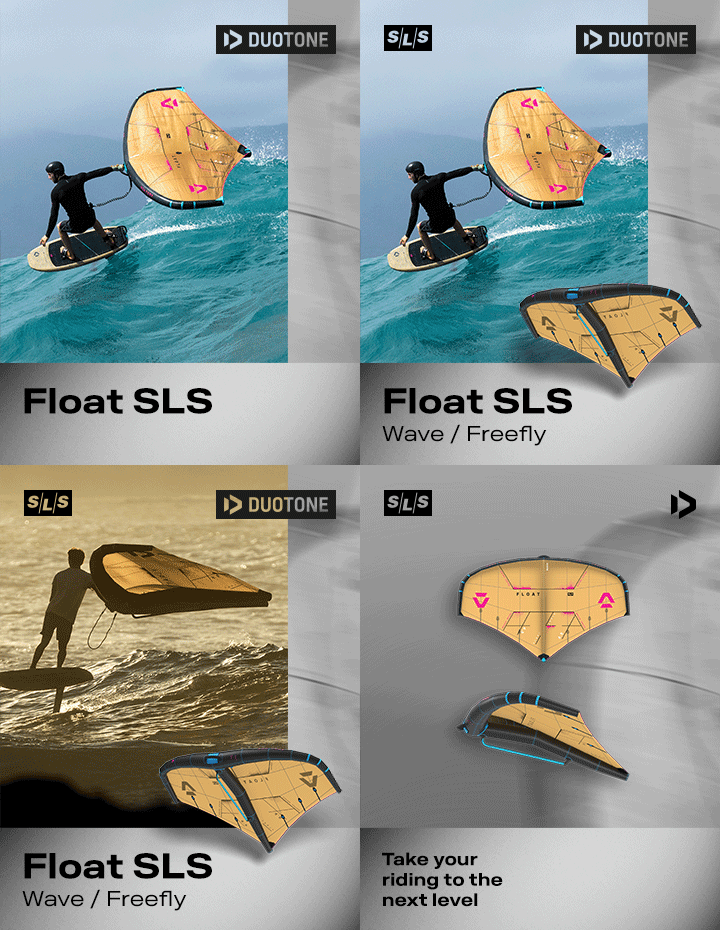
There are few riders who know their way around a parawing as well as Jeffrey Spencer does, which explains why he’s had such a hand in the design of the new Stash parawing from Duotone. He was the clearly the man to speak to…
With this second generation of the Stash, what did you feel really needed to change from the first, and what absolutely had to remain the same?
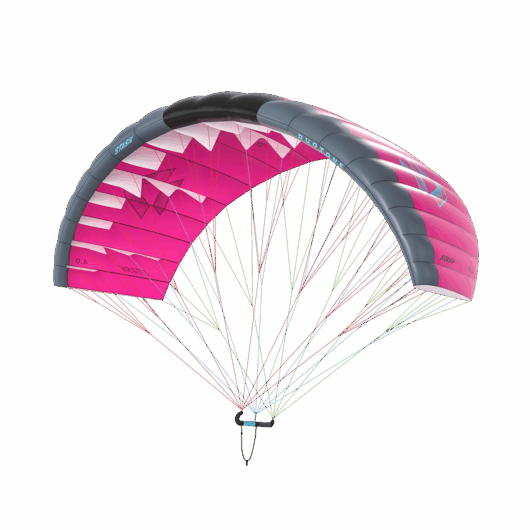
The goal with the 2026 Stash was to increase upwind efficiency and overall riding control. Improving these two features makes a huge impact in overall riding performance and makes parawinging even more fun! The new model also has more depower, more stability, and better steering and control which results in an entirely new feeling when riding. The first Stash had a super light canopy material that was easy to pack away so we kept that feature for the 2026 version. All of these features combined are a big step forward in performance.
From a rider’s perspective, what are they going to notice most clearly when they get on the water with the V2?
I think the most noticeable riding characteristics are the upwind performance and stability when depowering. Being able to ride at a higher angle upwind makes every downwind lap faster with less effort. This also greatly increases the wind range when combined with easy depowering that feels intuitive. The bridle lines are also at a length that is very easy to stash for the size and they are made out of a stiffer material to prevent tangling.
Upwind and depower are both called out as major improvements. Was that a tricky balance to strike on a single-skin parawing? Did you need to make many compromises?
Luckily improving the upwind performance makes it easier to improve the depower as well since the wing sits more forward in the window. The entire wing is more efficient and stable which makes getting going, riding powered at the top end, and jibing and tacking easier. In the future there will probably be compromises for different types of riding but for now all the flying characteristics are an improvement.
The new ergonomic carbon handle is a big talking point. How did rider feedback shape that design, and what does it change for the rider when using the Stash?
Parawings have a lot of the power at the front of the bar to allow for easy depowering but it can be a lot to manage if you are riding in strong wind. The new C-shaped handle lets you put your front hand under the power from the a-lines providing a more balanced grip. The bar feels very natural to use and the rounded edges allow the bridle lines to roll off the sides and avoid getting caught. We also worked to find a balance between a small bar that is easy to pack but still long enough to be comfortable when flying.
Parawinging is still a relatively new discipline. Who did you have in mind when designing the Stash: experienced downwind riders, or people discovering this style for the first time?
Since parawinging is still new all of the improvements to the design will positively impact riders of all levels which is our goal. The improvements add a lot of control and ease of use which is super important for beginners. For the advanced riders the efficiency and control make it easier to push the limits and focus on foiling at a high level.
Shorter, coated lines and colour-coding sound like small details, but they make a difference. How important were the little details such as these when designing the second generation?
The details were super important to us. We focused on adding all the features that we thought could help make it easier to identify parts of the wing. This resulted in almost everything being color coded and it definitely makes it easier to use on the water. The shorter lines are great for stashing the wing and the coating helps prevent tangling. Improving all the small details is what makes a great parawing.
From your point of view, what kind of session makes you think, ‘this is exactly what the Stash was built for’?
My favorite place to ride the Stash is in Hood River, Oregon. It is easy to ride back upwind with the current then turn on wave and connect the bumps downwind for minutes at a time. It is addictive doing laps over and over there. Aside from that any downwind conditions are great, especially if there are some fun swells to carve on. The nice thing about the parawing is you can just throw it in the air with no setup so it’s easy to go for a quick session in most conditions.