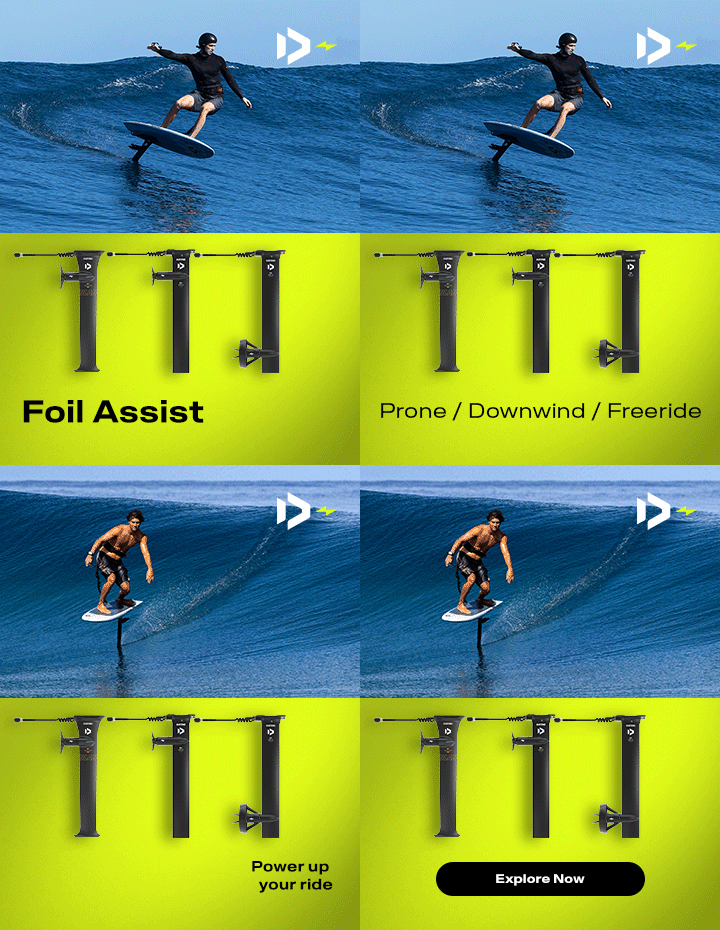
INBOUND: Duotone Foil Assist Mast Range
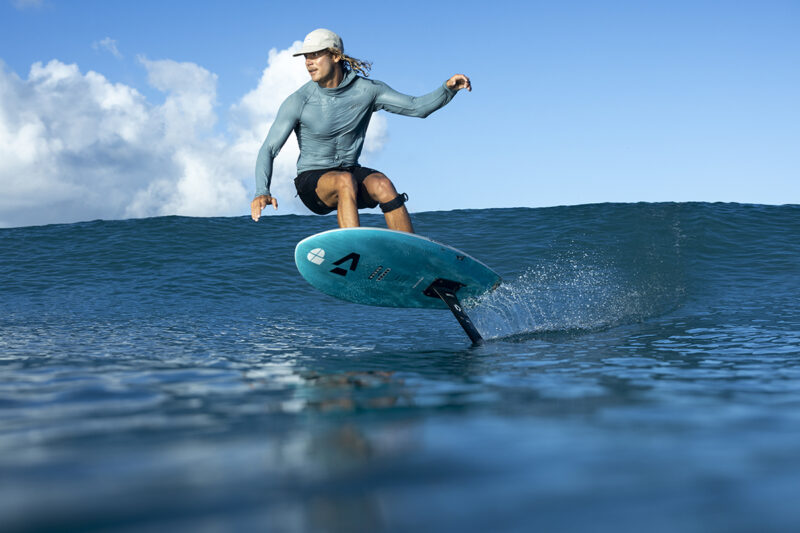
You’ll find our test of Duotone’s unique assist system a few pages back. We tested it using the D/LAB setup, but there is also the option of two other masts. To find out the benefits of the whole trio, we got in touch with Duotone’s Division Manager, Cyril Coste.
Cyril, let’s start by defining the roles of the Mast AL, Cruise Mast AL, and D/LAB within the range…
Our range is compact and easy to understand.
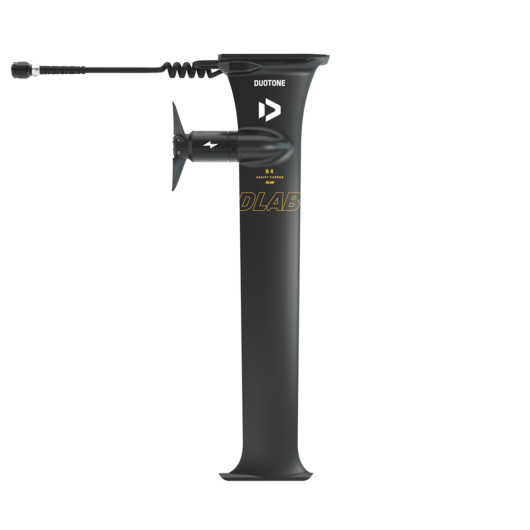
The D/LAB mast is our high-end carbon option. It uses a profile close to our D/LAB foil mast range, with a specific layup around the pod area for maximum stiffness and integration. The pod is fully integrated into the mast profile rather than added on, resulting in extremely low drag and very smooth touchdowns. You barely feel the pod touch the water, and it’s easy to recover without losing balance or speed.
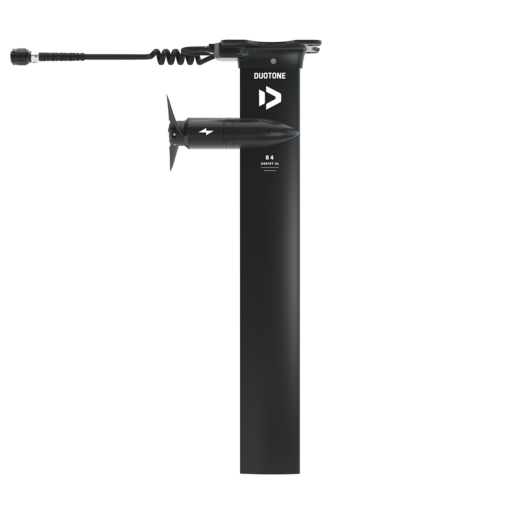
The Assist Mast AL features a dedicated aluminum profile designed to keep a playful, surf-oriented feeling. It’s around 1kg heavier than the carbon version due to the aluminum construction and internal sliding connector system. Its main advantages are the price point and broad compatibility, thanks to adapters for most major foil brands.
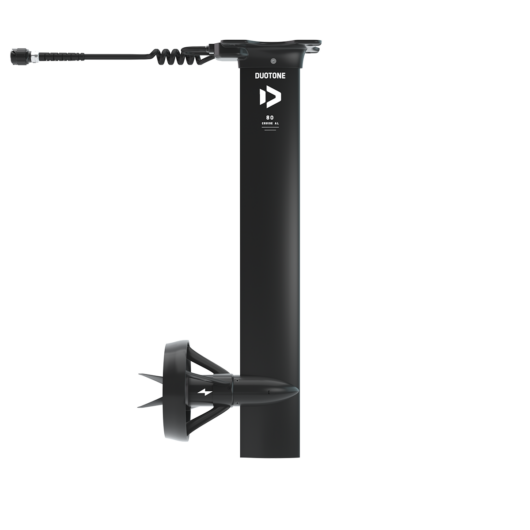
The Cruise Mast AL also uses the internal adapter system, with the motor pod positioned 15cm above the fuselage. It’s lighter and more compact than a traditional eFoil while remaining extremely easy and fun to ride. It works especially well on flat-water or in non-breaking waves and swell, as well as for easy returns to the peak. We see strong growth potential in this category.
What were the biggest challenges in integrating power into the mast without compromising the “pure feel”, as you describe it?
For the D/LAB mast, the main challenge was achieving the cleanest, most integrated design possible within the mast profile. Since we didn’t want to add weight to the board, it was crucial that the mast felt as seamless and natural as possible in the water.
For the aluminum versions, we developed a specific internal cut-out to keep the motor and pod compact and well-integrated. This makes a significant difference during touchdowns.
It was also essential not to mount anything on the leading edge of the mast. A pod fixed on the front of the mast creates significantly more drag and a much harsher feeling during touchdowns.
The Foil Assist Mast AL is your all-rounder option. What makes it so versatile, and who is it for?
One of its biggest strengths is compatibility. With adapters for most major foil brands, it’s accessible to a wide range of riders and setups.
Aluminum definitely does not mean entry-level. We carefully designed the mast profile to deliver strong performance in all conditions, while keeping a playful, surf-oriented feel with limited drag. It’s a versatile setup that works well for most riders.
How does the Cruise Mast AL change the ride, and why is it ideal for beginners and schools?
The Cruise Mast AL is a very fun and accessible setup. I would even say it’s one of the easiest ways to learn foiling, which makes it ideal for schools and rentals.
Compared to a traditional eFoil, it feels much lighter and more playful. While it’s not built for maximum speed, riding at around 30-35km/h on foil is already fast and more than enough to have an exciting session on the water.
Beyond flat water, it also performs very well in swell. You ride slightly slower, but getting back out is easy, and the glide on the wave remains smooth.
We include a safety prop guard, which we recommend for first sessions and schools. On flat water, its effect is minimal, aside from a slight reduction in runtime, which can be offset by using a slightly larger foil.
What performance gains does the D/LAB mast deliver compared to aluminum options?
The D/LAB mast is clearly performance-driven. The main focus was reducing drag as much as possible through full internal integration within the mast profile. Compared to the aluminum versions, it feels cleaner, lighter, and more playful.
One interesting aspect of Assist systems is that efficiency is easy to feel and measure. With the D/LAB, riders often use one lower speed level on the remote while maintaining the same riding speed, thanks to reduced drag and improved glide.
How does prop choice affect each setup?
Prop choice has a big impact on the character and feeling of each setup. We currently offer two 2blade props with integrated gearing, an injected composite version and an aluminum version. This month we’ll also introduce a 3blade option.
The injected 2blade is delivered with the sets. We recommend it especially for first sessions. It provides a smooth and comfortable take-off feeling. The aluminum 2blade is better for riders seeking more low-end power or riding in areas with wood or seaweed. The new 3blade prop is designed for heavier riders or those using smaller boards and foils, offering more power and speed.
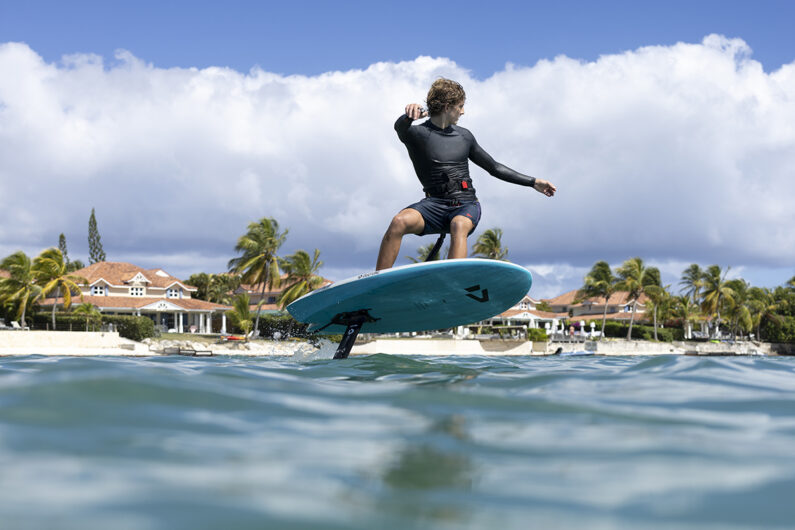
Finally, you’ve opted to place the battery in a harness rather than on the board or mast. Tell us about the thinking and benefit there.
The main benefit is avoiding added weight on the board. By placing the battery on the rider, the system feels much closer to pure foiling.
It also allows us to keep the boards thinner, improving the connection to the foil and creating a much more balanced feeling under your feet. During touchdowns, the board doesn’t stick or stall as much, making it much easier and smoother to recover and pop back up onto foil. It was a very clear design direction for us, and the feedback has been extremely positive so far.