INBOUND: APPLETREE MIDLENGTH V2
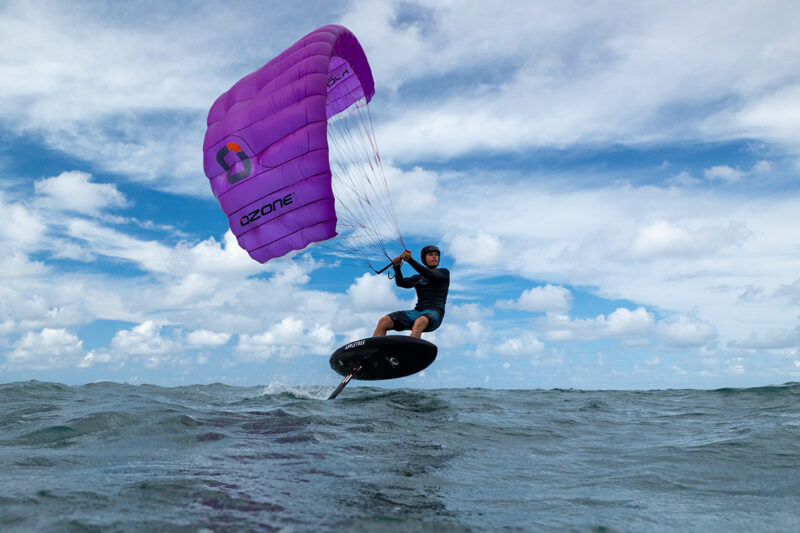
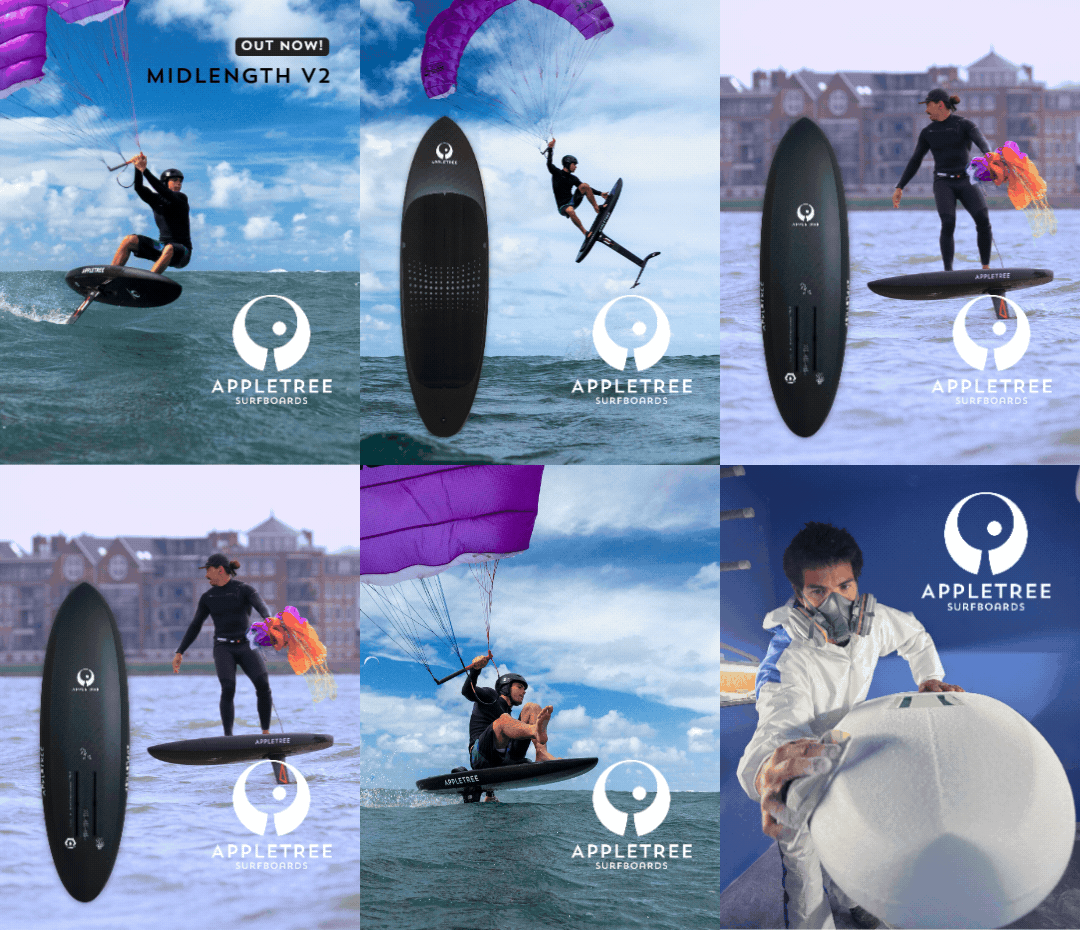
Parawinging’s recent and rapid rise has pushed board design into a new phase of experimentation and refinement. A prime example is Appletree’s updated Midlength model. We went to the Appletree crew to find out more about V2…
What was the starting point for the V2? What did you feel needed refining from the original Skipper Midlength?
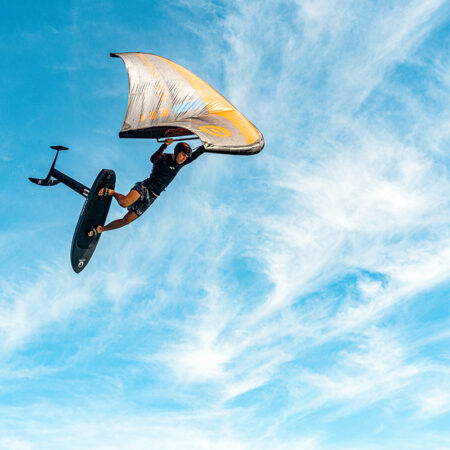
The main driver behind the V2 was the rapid rise of parawinging. Over the past months, that discipline has evolved so quickly that we felt a dedicated update was necessary. While the original Midlength was a strong all-rounder, it wasn’t fully optimized for the specific demands of parawinging.
What we’ve seen is that you can low-wind wing quite effectively on a good parawing board, but not necessarily the other way around. A traditional low-wind wing board doesn’t always translate well to parawinging. The key difference lies in the power delivery: a parawing generates a different kind of pull and can’t be pumped as efficiently as a wing.
That means you need a board with more efficient glide and enough volume up front to generate early lift. The V1 was already good, but we felt we could fine-tune it further for this new use case. That’s why the V2 came to market sooner than we originally anticipated.
The longer, narrower outline is a change from its predecessor. How much of this is down to reducing drag versus changes in trim and rider positioning?
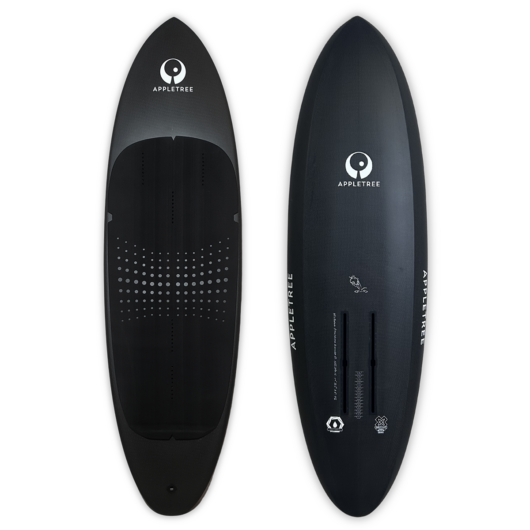
The changes are actually quite subtle. The new boards are about one inch longer and roughly half an inch narrower than the previous version. The balance in the original design was already strong, so we didn’t want to move too far away from that.
There’s always a trade-off: you want to reduce drag, but if a board becomes too long, it starts to feel “tracky” and less maneuverable. So it’s really about finding the right balance between length and width, while keeping the foil placement dialed so the board remains properly trimmed.
The bigger change is in the bottom shape. We’ve pulled in the bottom rail apex quite a bit. From the top, the board still looks wide, so you retain stability, but once it’s moving, the wetted surface is effectively narrower, which improves speed and efficiency.
You’ve also refined the rail profile. What was the thinking there?
It’s less about pulling the rail in overall and more about refining the lower section of the rail. The bottom apex is sharper and more tucked in, which reduces the effective width when the board is in motion. At the same time, we’ve kept the deck relatively wide. That’s important because we don’t want to compromise stability, especially for riders using this as a light-wind platform. So it’s a balance between stability at rest and efficiency at speed.
How noticeable is the improvement in touchdown recovery compared to the previous version?
It’s quite similar overall, which is intentional. Even though we’ve dropped the “Skipper” name, this board is still very much part of that lineage, and touchdown recovery remains a key characteristic.
We’ve made some subtle refinements. The rail apex is slightly harder now, which helps with cleaner water release. That doesn’t necessarily mean more bounce or “skipping,” but it does make touchdowns feel smoother and more controlled.
We’ve also added a bit more tail rocker, which helps when initiating pumps to get back onto foil. So while the core behavior remains familiar, the board feels a bit more responsive in those recovery moments.
So the growth in parawinging has been the big driver in the changes to the Midlength?
Absolutely, that’s the main reason this board exists in its current shape. While it still works very well as a low-wind wing board, the primary focus is parawinging. That’s where the market is heading right now, and it’s what many riders are excited about. The V2 is designed to meet that demand, while still offering versatility.
This is aimed at intermediate to advanced riders. At what point does a rider step up to something like the Midlength V2?
It depends a bit on the size you choose and your body weight. In the larger sizes, especially around or slightly above your body weight, the boards are quite stable and accessible. Riders can step onto them relatively quickly, and they’ll really help in lighter wind conditions. That said, parawinging itself isn’t something we’d recommend for beginners. You need to be a confident winger first. It’s a significant step, and it builds on existing skills.
For intermediate riders who are comfortable riding both directions, starting to tack, and looking to extend their sessions into lighter winds, the bigger sizes of the V2 are a great entry point. The smaller sizes, on the other hand, are much more specialized, suited to advanced riders, and even for prone use in some cases.
Do you see more room to push the midlength concept, or do you think this is pretty close to perfect?!
You should never say something is finished or perfect. Things evolve quickly, parawinging itself is the perfect example. No one really saw it coming the way it did.
Right now, we feel we’ve landed on a very solid platform. The goal is for this board to have a good lifespan, at least a season and a half, maybe two. But the reality is, if something new comes along that changes the game, we’ll adapt. That’s just the nature of this sport.