



Uploaded: DRIVEN | JASON SAUER
We asked Jason for a quick Q&A about his Driven episode - he gave us an intensely honest, unfiltered memoir. Here is his journey through addiction, amputation, and finding true independence on the water.
READ MORE


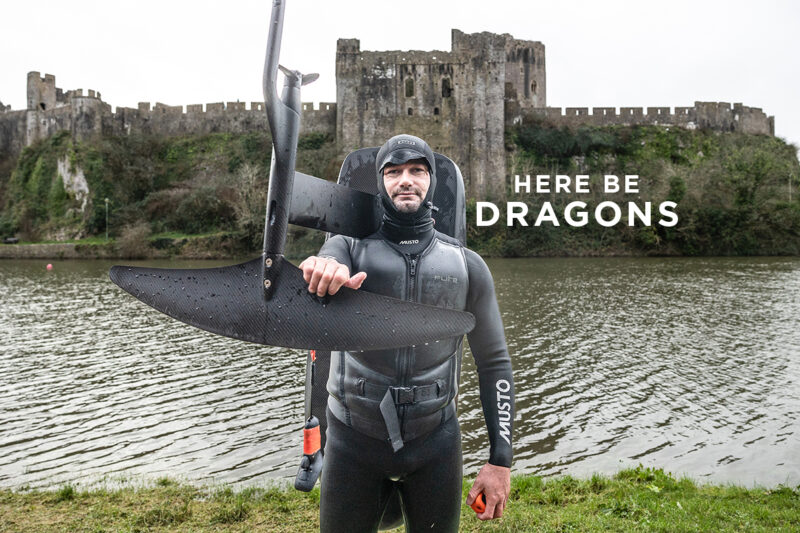
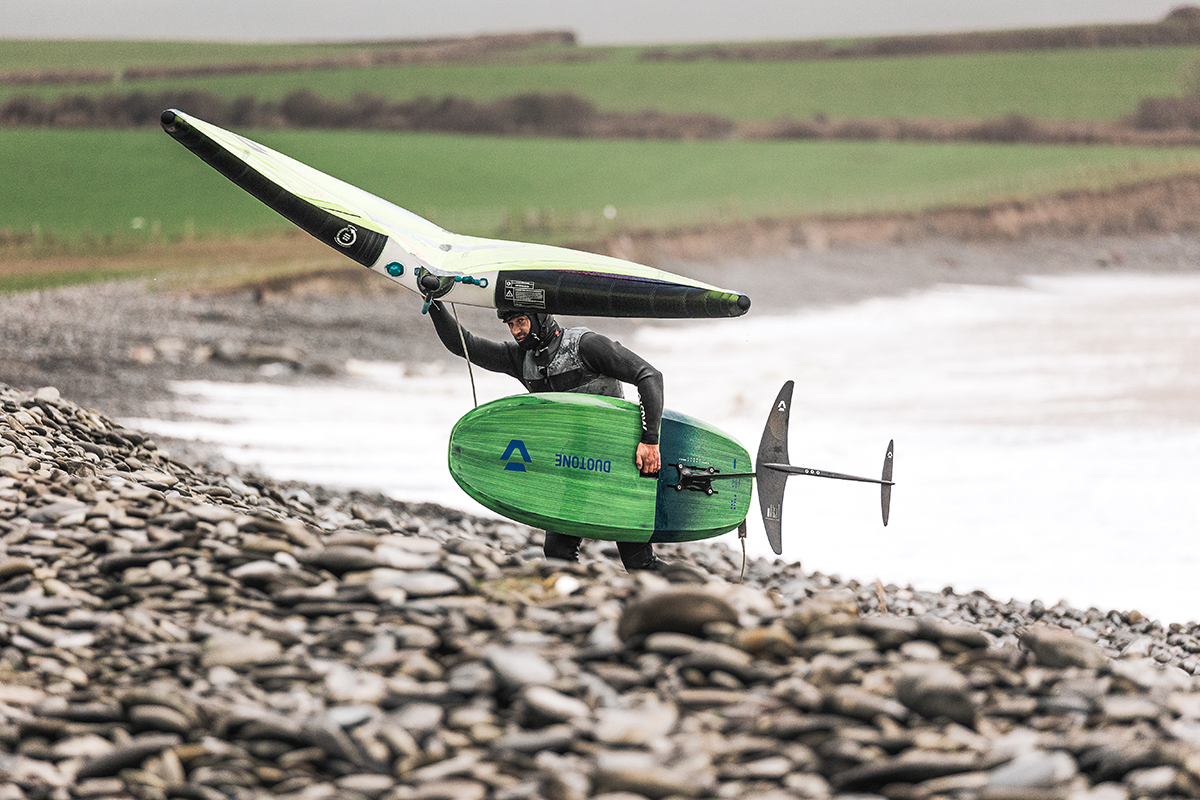
Continuing his mission to explore the foil potential close to home, Tom Court crosses the border from England into Wales, a country steeped in myth and legend, with a rugged western shore that enjoys the full force of the Atlantic storms…
Words: Tom Court | Photos: Sam Scadgell
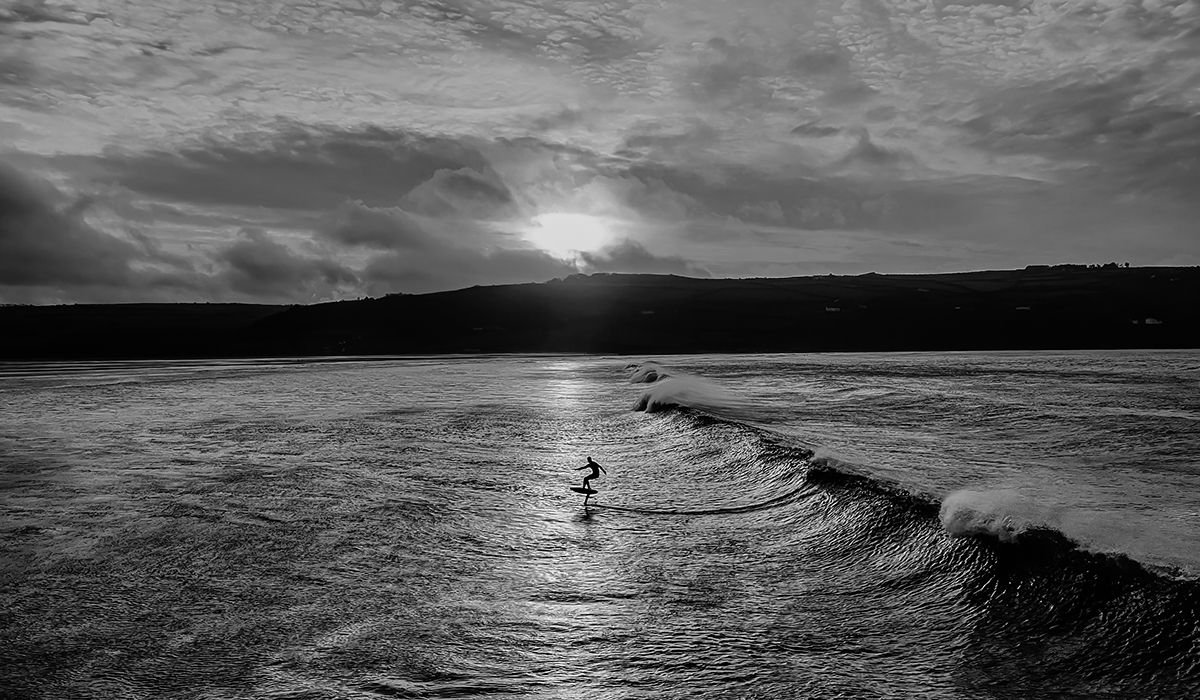
The Freeride Kingdoms project was built around a simple idea: explore the coastlines of the British and Irish nations to see what water sports conditions we could find as close to home as possible. Not as tourists, but as strike-mission riders, forecast-led, equipment-ready, and discipline-flexible. Wales was always going to be a key chapter after exploring northern Scotland and the west coast of Ireland in our last trips. Wales offers one of the most complex and rewarding playgrounds for foilers anywhere in Europe.
Like many good missions, this one nearly didn’t happen. Forecast models hesitated. Schedules collided. Plans drifted. Then a late chart alignment. Swell direction, wind strength and timing finally stacked into a workable six-day window. Messages went out. The truck was packed. Boards, wings, prone foils and powered setups loaded with the familiar optimism that comes when probability turns into commitment.
Our crew was tight: three riders, multi-discipline capable, shared mindset for the shred. The brief was simple: follow the weather, read the coastline, adapt daily.
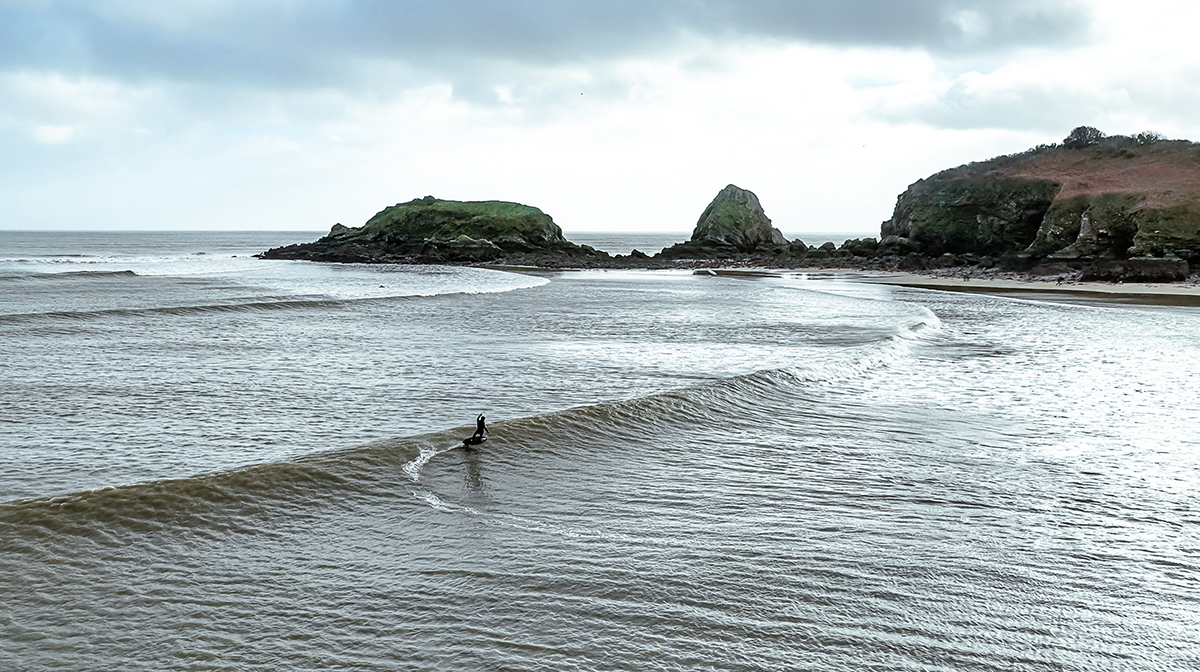
Wales rewards that approach more than most places. Its shoreline isn’t linear, it’s articulated. Headlands, coves, points, inlets and cliffs create micro-climates on a local scale. One bay blown apart while the next is rideable. One point maxed out while another bends swell into long workable lines. For foilers especially, this kind of geography is gold.
The opening day delivered both. After checking multiple exposed locations – some too wind-torn, others closing out under raw swell – we found a long, wrapping point tucked beneath wooded slopes. Protected enough to stay organized, open enough to receive energy. The kind of wave that doesn’t work that often, but we had landed on our feet.
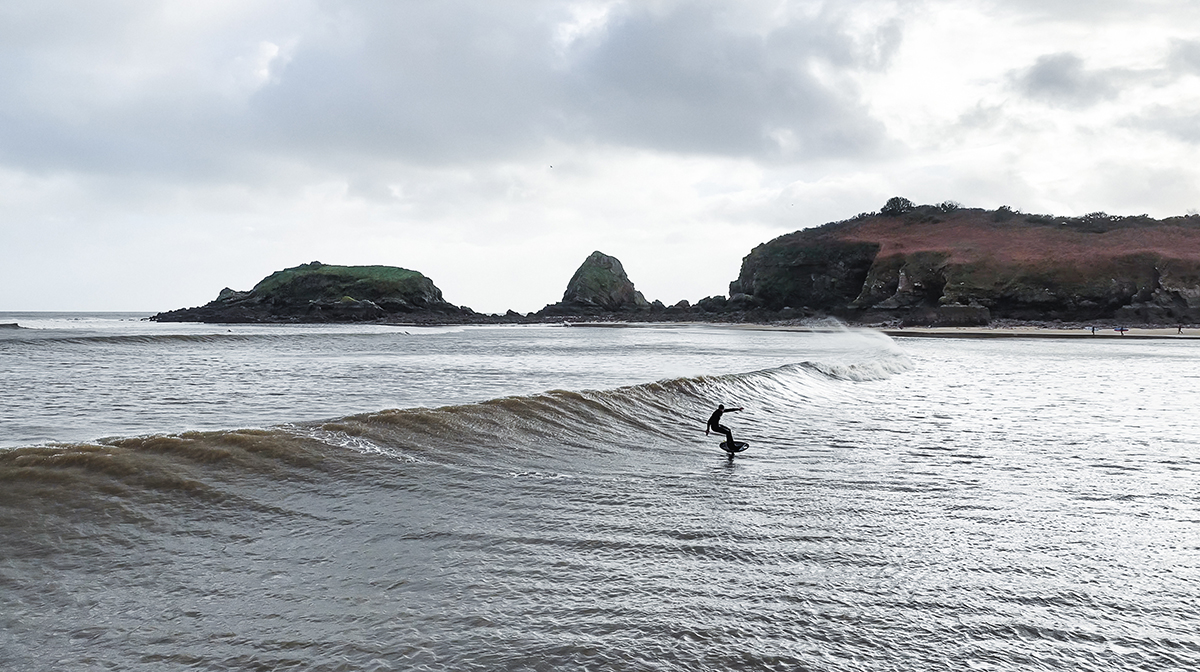
💎 Premium Content Ahead! 💎 *You will receive our weekly Friday Pump newsletter, plus the latest features, gear tests and giveaway announcements. The first prone run confirmed it. Clean entry, lift, then distance. The foil transformed a flat open face into a playground, connecting sections, carrying speed across softer shoulders. Long, flowing rides stacked back-to-back. Dougie (Newell) used foil assist to enter earlier and set high lines, linking the entire visible length of the break. We traded waves for hours under winter light with wind moving through the trees above the point. It was the perfect reminder of why foil exploration works so well in the UK, as it opens up a different way to ride. That opening session set the tone but it didn’t define the trip. Wales had more to show us than we knew at that point. As the week unfolded, the weather did what Welsh weather does best – changed its mind repeatedly. Strong frontal systems marched through. Wind directions swung. Swell angles shifted. Each morning started with charts, coffee and coastline strategy. Which headlands would block the gusts? Which bays would amplify them? Which tides would unlock the banks? Foiling thrives in this decision space. With prone, wing and powered foil options available, marginal becomes meaningful. Instead of waiting for perfect surf conditions, we could convert whatever energy arrived. Mid-mission came the most extreme session of the trip – and the windiest wingfoiling I’ve ever ridden up on the mid Wales lefts. The readings were already high when we arrived. Then higher. Then properly nuclear. The sea surface began to lose texture entirely – wind so strong it literally pressed the wave faces flat between gusts. Spindrift tore horizontally off every crest. Conversation on the beach required shouting. I rigged a 3m wing, the smallest I had, while Dougie went with a 3.5m. Even standing still required bracing. Water starts were instant whether you were ready or not. Once flying, control became the game. Sheet out, feather, stabilize, survive the gusts, use the lulls. Most riders wouldn’t have made it far from launch but Dougie pushed through the wind line and managed to reach the outer point, threading gusts of 60+ knots. Watching him connect that far section in those conditions was one of the most technical displays of wind management I’ve seen on foil gear. That contrast from long sheltered point glides to survival-mode wing sessions is exactly what makes UK conditions so compelling. The same coastline can deliver elegance one day and extremity the next. You drive through layers of history without trying. Castles appear on headlands. Stone walls divide fields that roll down toward tidal inlets. Harbors sit where they have for centuries because geography still makes the decision. For watermen, that continuity matters. You feel part of a longer relationship with the sea. We finished the mission with something completely different: a novelty eFoil exploration beneath the walls of Pembroke Castle. Rising above the water on a Fliteboard beneath a medieval fortress is not a normal pairing. Silent glide past stone towers and curtain walls, tracing the same water routes once used by traders, soldiers and nobles. Modern electric foil propulsion meeting 12th-century architecture. The castle is famously the birthplace of Henry VII, founder of the Tudor dynasty, born there in 1457 before eventually claiming the English throne. The stillness of the eFoil session contrasted perfectly with the violence of the wind days before. No gust management. No swell timing. Just balance, glide and observation. Castle reflections in the water. Winter light on stone. Curious onlookers on the banks trying to decode what they were seeing. It felt like the right way to close the Welsh chapter not with maximum intensity, but with perspective. That’s the real gift of Wales for foilers; Few coastlines offer such a dense mix of exposure and shelter, history and rawness, violence and calm. Intricate geography multiplies opportunity. Forecast imperfections become playable scenarios. Multiple disciplines aren’t a luxury, they’re the key to unlocking the place properly. Six days. Multiple craft. From hidden points to overpowering wind runs to castles. Mission complete, ferry booked and back to the Isle of Wight with salt still dried into winter neoprene and another Kingdom mapped.This is premium magazine content, usually only available to our subscribers, but you can access it for free when you join our mailing list!
(Already subscribed? Simply enter your email to unlock all magazine features now)





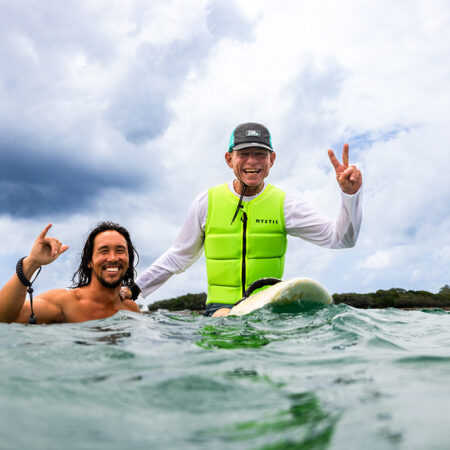
We asked Jason for a quick Q&A about his Driven episode - he gave us an intensely honest, unfiltered memoir. Here is his journey through addiction, amputation, and finding true independence on the water.
READ MORE
Two weeks in Cabarete gave the NeilPryde and JP-Australia crew warm water, steady trades, and everything from flat water to reef waves - the ultimate playground for their 2026 photoshoot.
READ MORE
Three months after a serious hand injury threatened his season, Axel Gérard secretly travelled to Chile for Red Bull’s inaugural Wingsphere. Against the world’s best, he fought through a razor-thin final and delivered the highest score of the competition to claim the title.
READ MORE