DYNAMICS: FORM FOLLOWS FUNCTION
We often hear a lot from the core product architects in this magazine, whether that’s wing designers, board shapers or foil engineers. But it’s easy to forget that there are multiple other factors that feed into the design of any new product, and one of those is how that product is ultimately going to look when it lands on the shelves at your friendly local foil stockist. Eleveight’s Art Director Sam Flotat talks to us about how to balance a product’s aesthetic alongside its main objective…
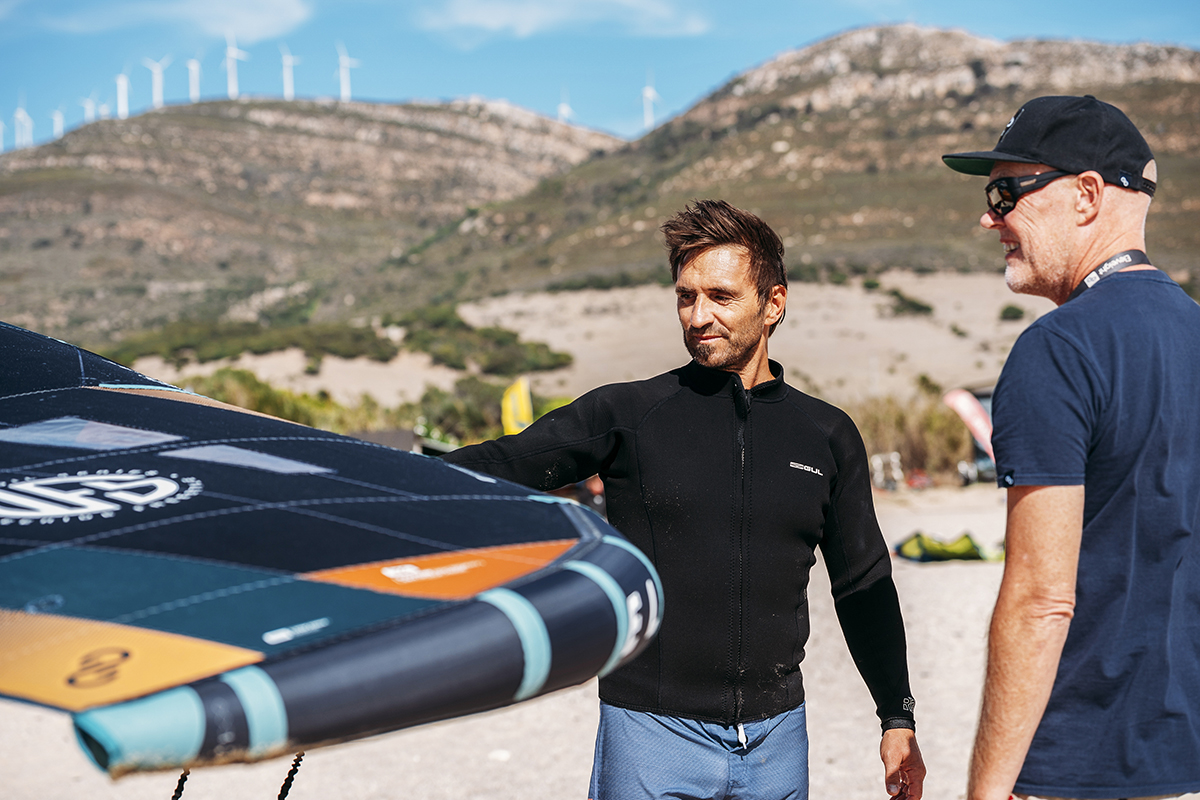
Hi Sam. So you’ve been with Eleveight since day one – how has your role as designer evolved as the brand has grown?
Hi team. Yes, I jumped at the opportunity from the beginning. I have known the founders for a long time, since I first moved to Spain and started dabbling in design for the kite industry. Working for people I respected made me 100% confident to develop my work, even from the brand's inception, as the team are really experienced, motivated, and passionate.
In this industry, creating a new brand name, logo and marketing graphics ready for launch was my initial challenge, but a really exciting one. My design role later evolved into more of a product graphics focus, but that was before wingfoiling was even a thing and it started initially with a much smaller lineup of kites. Now we have such an extensive product range, my role is very complex and busy indeed!
Tell us what your day-to-day looks like. Are you mostly focused on product graphics, or do you also steer the brand’s visual direction on the marketing/media side?
These days I am mostly focused on product graphic design, so everything from the color choices for the wingfoil range, logo placement, the tech logos and designs that highlight key performance elements of a product, through to the overall design wireframes.
Eleveight stands for technological performance, and my designs focuses on letting that sing, alongside weaving in color trends and developing our signature look. I also work closely with the marketing team on strategies and graphic guides for each new season, developing color concepts, advertising and looking at trends in technical sports.
Could you talk us through some of the key products you’ve been involved in, and what you’re most proud of to date?
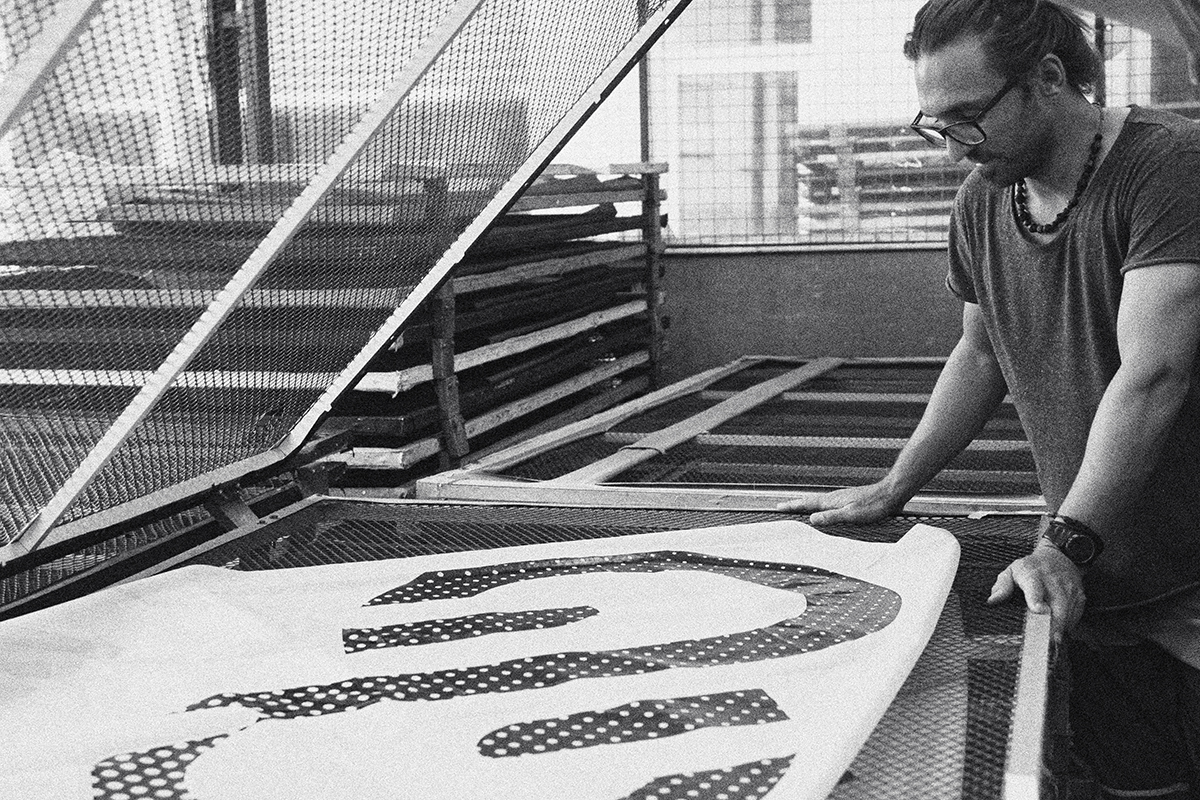
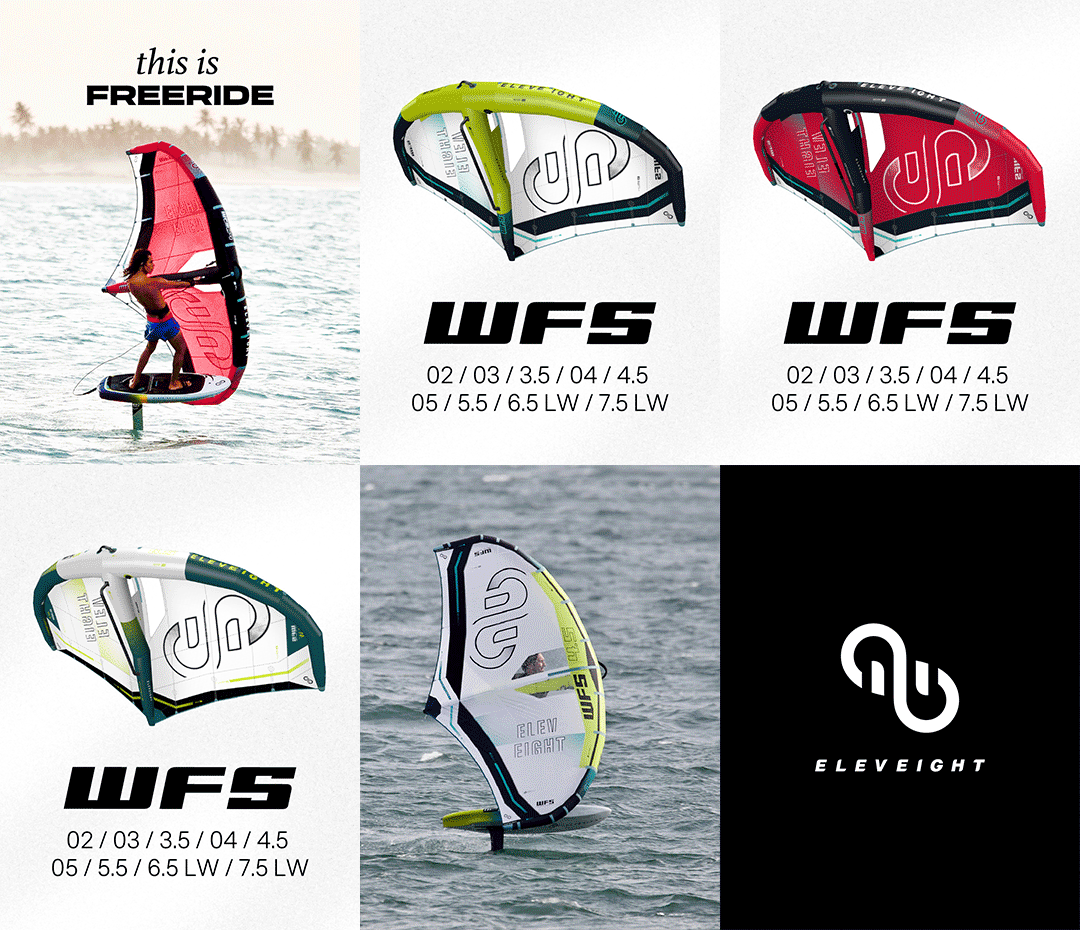
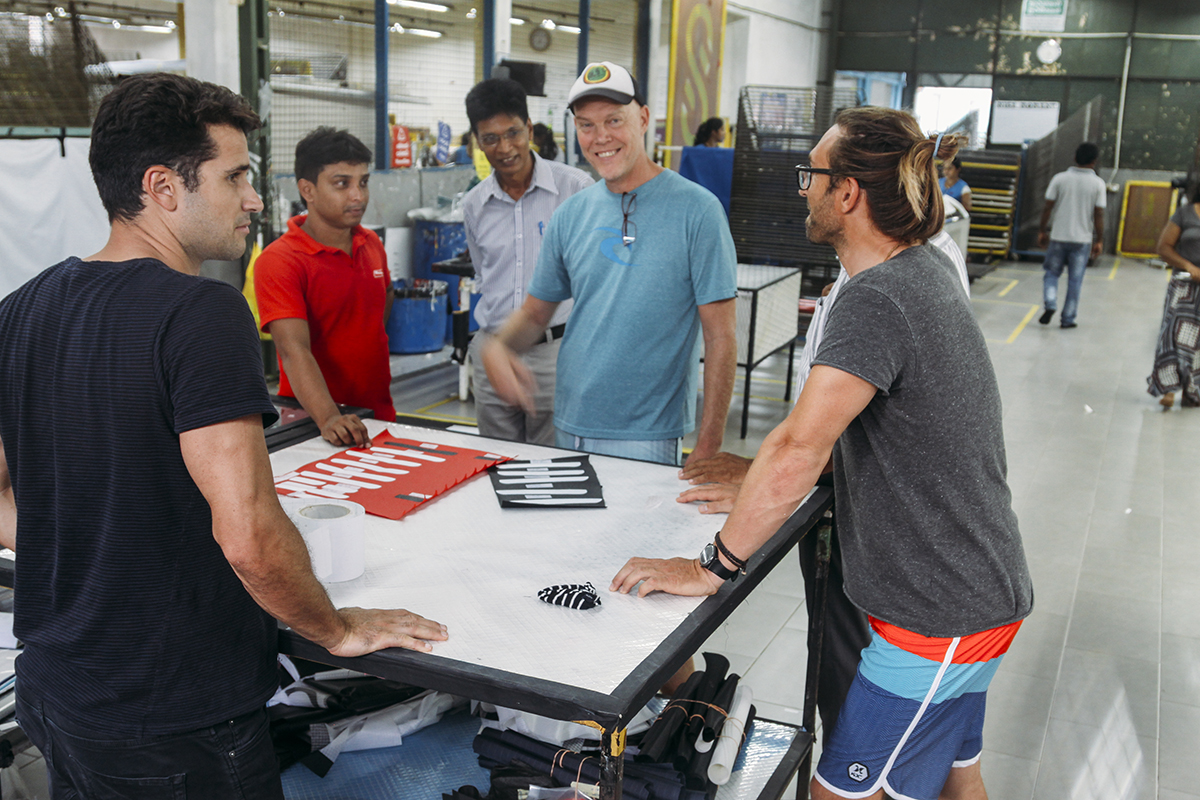
I will say all products are interesting to develop and all the details that go into each product make me proud. However, the most complicated, and maybe therefore the most interesting for me, are the wings and kites. It is quite challenging to add graphics to inflatable products as I work on flat 2D designs but then must translate them to a product with curves, multiple logos and text, and so on. I must visualize my work in 3D so that I can see the folds ahead.
Also, you cannot do exactly what you might want to do… I also need to keep in mind the production cost and need to know what raw materials and print to use to make our products cost effective. I am proud of that though, as the design limitations force me to be more creative too.
💎 Premium Content Ahead! 💎
This is premium magazine content, usually only available to our subscribers, but you can access it for free when you join our mailing list!
(Already subscribed? Simply enter your email to unlock all magazine features now)
*You will receive our weekly Friday Pump newsletter, plus the latest features, gear tests and giveaway announcements.
How closely do you collaborate with the Eleveight R&D and product development teams? And do you get involved from the early stages of a new product?
We definitely work well as a team and it's key that I can liaise with product designers, especially for the inflatable products which we refresh every year. I work really closely with Peter Stiewe, our Product Manager and CEO. Together we adjust the design wireframe according to our color choices and graphics as an integral part of the product’s inception.
The design doesn’t come second, it’s carefully thought out and born from decisions in what’s possible with panels cuts and performance outcomes in mind. The graphics have to be in harmony with the product and not affect the performance: we don’t just digitally print onto whatever the factory has sewn. Color combinations that might look great might not work with panel cuts or the product structure, so it’s key that we find harmony.
How much creative freedom do you have from that point?
In the first step, we always try to push the limits of creativity and performance and have something unique. Next, we look at any product constraints, and together with the feedback from the marketing team, we assess what is possible. And then, step by step, we make the graphics guidelines that set the foundations for the product line. We try and offer more than one color combination to balance all sales outcomes.
How do you balance the aesthetic in your designs with any technical constraints?
It is a very good point! That’s the main problem that I grapple with. Technical products are the most difficult to design; it must be clean, built in harmony, balancing high-quality materials with good graphics. It has to be more product design oriented, I would say.
We understand you’re big into pump and wingfoiling yourself – how do you find that time on the water feeds back into your work at the desk?
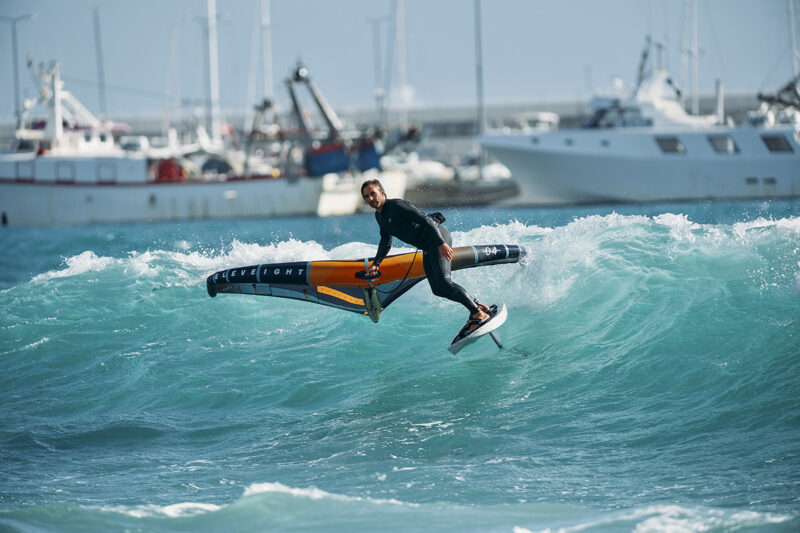
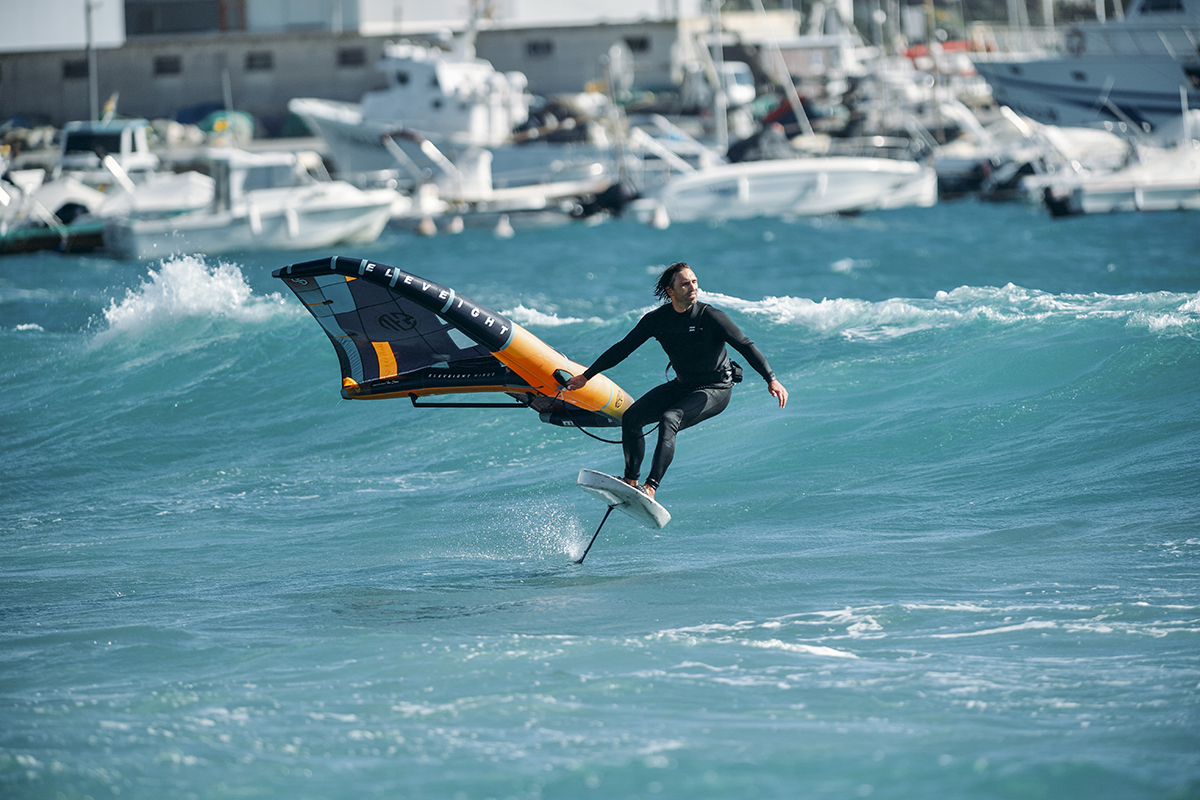
As an old windsurfer, kitesurfer, and surfer, carving on a foil is one of the most addictive sensations I have ever felt in water sports. It is a really good complement for lighter conditions. In general, doing sport is good for your health, so doing it in salt water is even better. So, going back to the office with fresh, salty ideas is a good recipe! From my perspective, time on the water should be necessary for any job… it’s a healthy drug.
We’re aware that your daughter is also into wingfoiling. What’s it like sharing your time on the water with her, and does she influence your perspective on what you do at work?
As a father, sharing your passion with your children is a blast. She kites, wings and surfs and I never need to push her as she was born a natural waterwoman it seems, just like her dad! My wife kites too and is now learning to wing, but we live just 200 meters from the beach so there are no excuses not to. Even when it’s not windy we still swim most mornings and evenings.
My daughter is studying art, so I could not be prouder of that, because I never pushed her to do it. It's a good thing to have this connection to the younger generation. Their perception of trends, the evolution of work with new technology, and their progression always keeps my mind wide open.
Finally Sam, for anyone looking to do what you do, what would you say is the best way into the industry? And what would you say are the tools or processes you rely on the most in your role?
At the end of the day, it is a really technical job with some creativity in a specific niche. Before I came to work in the industry, I had ten years’ experience working in large Paris agencies, mostly designing packaging, a career which helps me still. My role requires experience from different graphics domains, and, as with all office jobs, doing it well requires some hours behind the computer! Practicing the sport also helps me a lot to understand the lifestyle and the technical constraints of this industry, so don’t forget to spend a good amount of time on the water away from your desk too…