Are We Actually Growing?
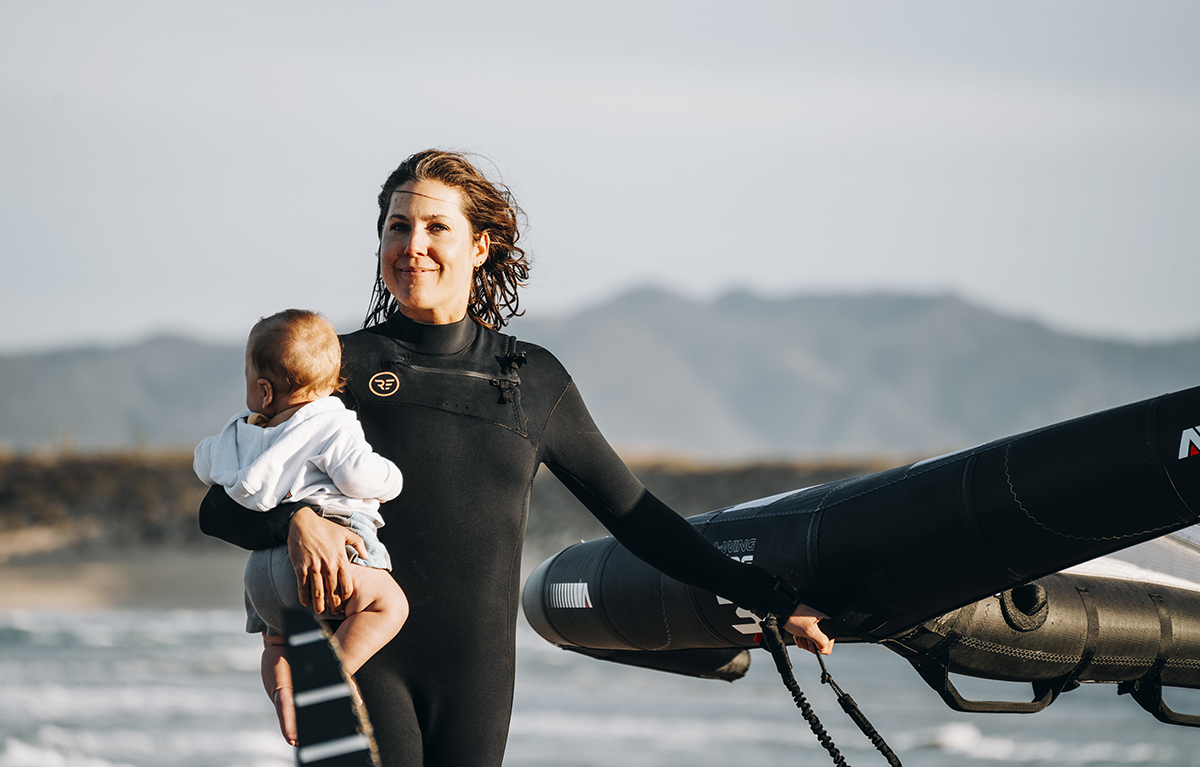
As a professional windsports athlete, entrepreneur, speaker and mentor, Sensi Graves is highly tuned to the nuances of the wind and water sports industry. Here she tells us where she thinks it could be doing better at getting more people out onto the water.
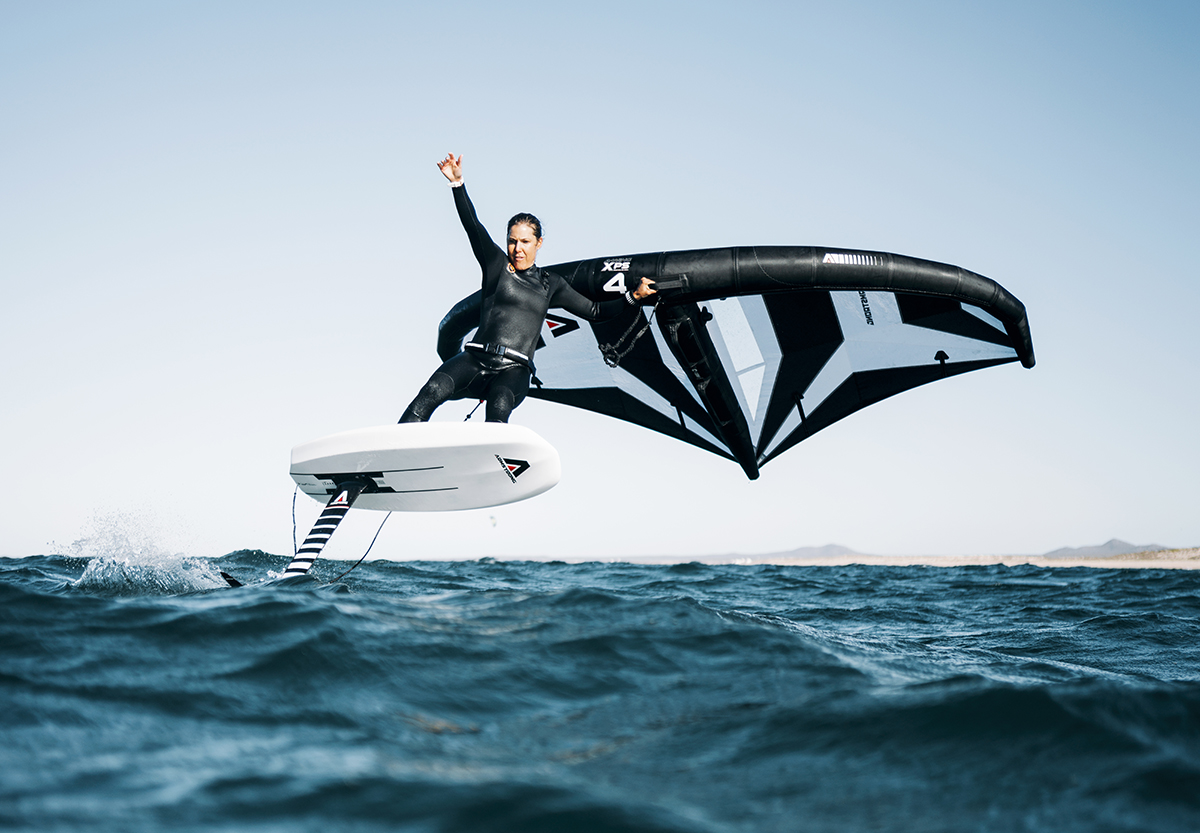
Most of my career has been dedicated to getting more women into windsports.
This may not seem like something particularly new, exciting, interesting, or even necessary, but it's been important to me for a few reasons. First, I was often the only woman on a photoshoot – it's more fun with more women. Second, while I was competing on the Kite Park League Tour, we wanted more women to join us in competition. Third, when you ride with people who look like you or are at a similar level, you become more inspired. You're able to cultivate an “if she can do it, so can I!” attitude.
One of the things I hear constantly from working in the industry for so long is “how do we grow the sport?” As a board member for AWSI, our mission is to encourage the growth and development of windsports within North America. As part of that mission, we're always asking: where are new people coming from? How do we keep growing? More local competitions? Demos? Collaborations with other industries?
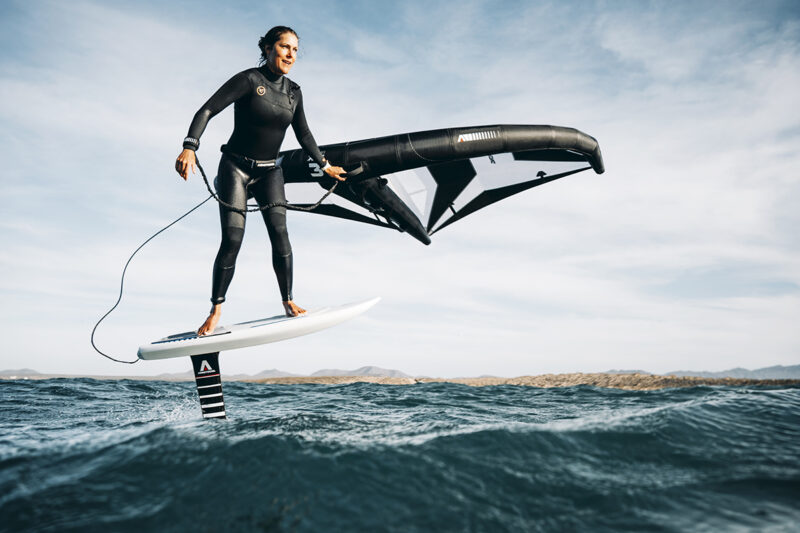
Over the past couple of years, we've seen the explosion of wingfoiling, followed by SUP foiling and finally parawinging (I must admit, for each of these iterations, I was initially skeptical and subsequently totally obsessed). But while brands have seen initial growth in the broader industry of wind and water sports – manufacturing and selling wings, SUP boards, and parawings – many of these customers were not actually new participants but existing sections within windsports. Kiters became wingers, windsurfers took up SUP foiling (just kidding, they took up winging too), wingers transitioned to parawinging. We haven't actually been growing; we've just been cannibalizing the same customers over and over again.
Or have we?
One of the businesses I run is Strut Kite and Wing, a retreat company geared toward women. We run wingfoiling and kiteboarding retreats and clinics in North and Central America. And we've seen an explosion in wingfoiling – and not just women already within the industry, but complete newbies! Of the 40 women we've had at camps in the year to date, 25% of them have no windsports experience whatsoever.
From my perspective, the state of foiling is that it's still exciting, engaging, and most importantly, enticing to both men and women. We hear over and over again how women are less intimidated to try winging, how it looks so easy and fun, and how it seems so much more accessible. The majority of women we're teaching are total beginners.
💎 Premium Content Ahead! 💎
This is premium magazine content, usually only available to our subscribers, but you can access it for free when you join our mailing list!
(Already subscribed? Simply enter your email to unlock all magazine features now)
*You will receive our weekly Friday Pump newsletter, plus the latest features, gear tests and giveaway announcements.
Why is wingfoiling so appealing to newcomers? From what I've seen, it boils down to three main reasons: the gear is less cumbersome than other windsports, you can launch from a lot more locations, and it looks easier than it actually is. Unlike kiteboarding with its bar, harness, board, and long lines, or windsurfing with its heavy rigs and gear-intensive setup, wingfoiling feels refreshingly simple. There's less setup and it seems more achievable.
The location flexibility is equally game-changing for accessibility. While kiters need dedicated beaches with clear wind windows and safety zones, wingers can launch from protected harbors, small lakes, and even crowded urban waterfronts. This opens up windsports to people living in cities or areas without perfect kiting conditions, dramatically expanding the potential participant pool. But perhaps most importantly, wingfoiling simply looks more approachable from shore. Watching someone glide smoothly across the water with what appears to be graceful, sailing-like motion is far less intimidating than witnessing the apparent chaos of kiting crashes and relaunches. Of course, anyone who's tried to coordinate wing control, foil balance, and body positioning while getting pounded by chop knows the reality is far more challenging – but that initial visual appeal is crucial for getting people to take that first lesson.
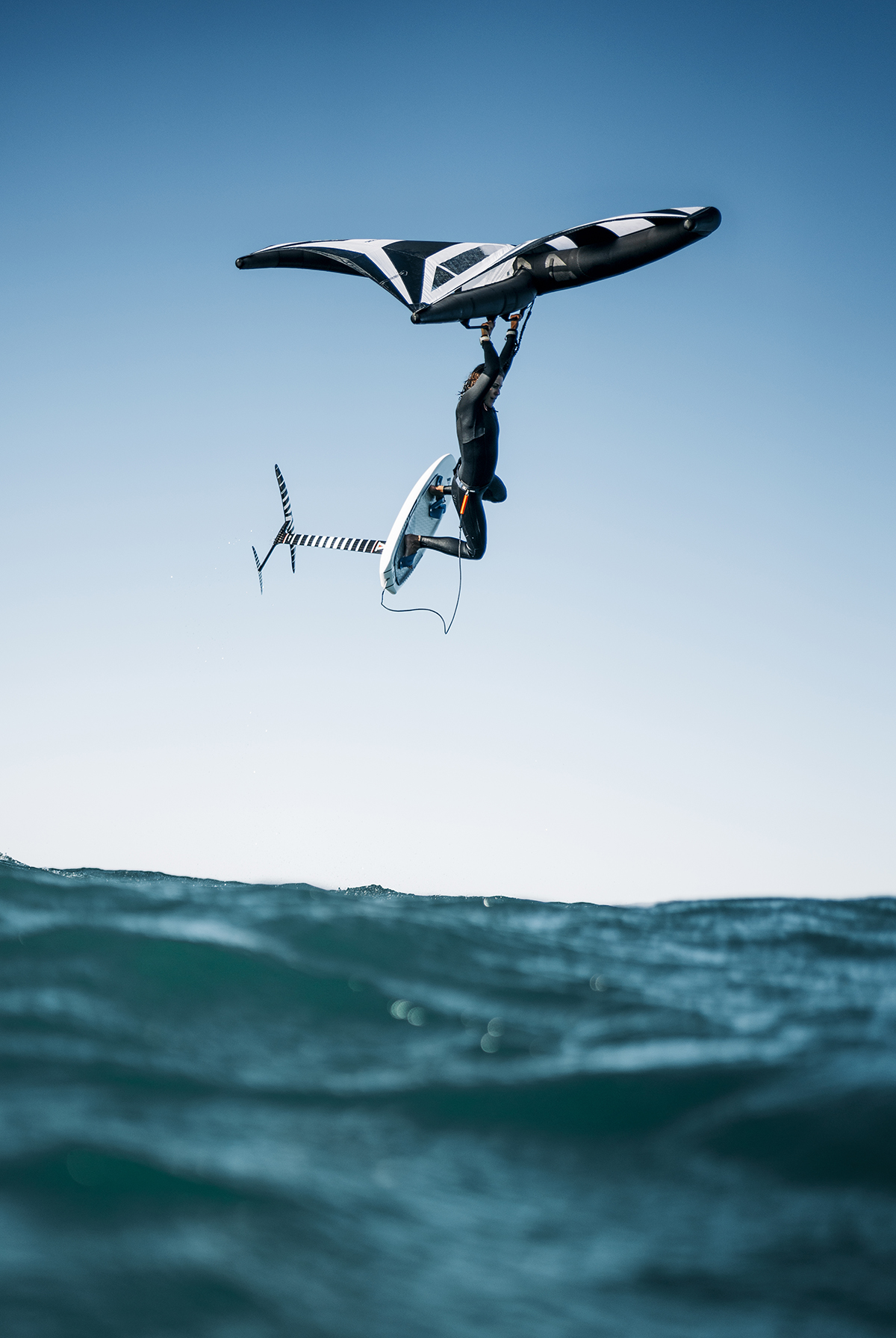
Which brings us to the question: what can the industry do to continue fostering newbies and further increase participation in the sport? First, we need to demystify the buying process. Two of the questions I get asked most frequently are: what gear do I buy, and how do I know when it's time to upgrade? There are a lot of numbers being thrown around at the beach, and some well-meaning local may talk a newbie into buying a 92cm mast saying, “you'll be glad you have it.” “Will I? In what instance!?” The industry needs to create clearer pathways for gear progression, with honest assessments of when equipment changes actually matter versus when they're just expensive distractions from skill development.
Brands and shops should focus on beginner-specific guidance rather than pushing high-performance gear that newcomers won't appreciate for years. We need more transparent “learning stages” frameworks – clear indicators of when someone has genuinely outgrown their current setup versus when they just think new gear will solve their progression plateaus. Additionally, the industry should invest in better demo programs and rental fleets at more locations, allowing newcomers to experience different equipment before committing to purchases. Most importantly, we need to shift the conversation from gear specifications to experience outcomes – instead of talking mast lengths and wing sizes, we should be asking “what kind of sessions do you want to have?” This approach serves the newcomers we're finally attracting and ensures they stick around long enough to become the passionate participants who will truly grow our sport.
After years of being the only woman on photoshoots and wondering how to get more people who look like me on the water, wingfoiling has given us something I didn't expect: a genuine path to growth. The 25% of complete beginners in our retreats aren't just statistics – they're proof that we can expand beyond our existing community. When I see these women progress from nervous first-timers to confident foilers, I'm reminded why diversifying our sport matters. It's not just about numbers; it's about creating a community where everyone can experience that “if she can do it, so can I!” moment. Wingfoiling has opened the door, but it's up to us to make sure newcomers feel welcome enough to walk through it and stay.